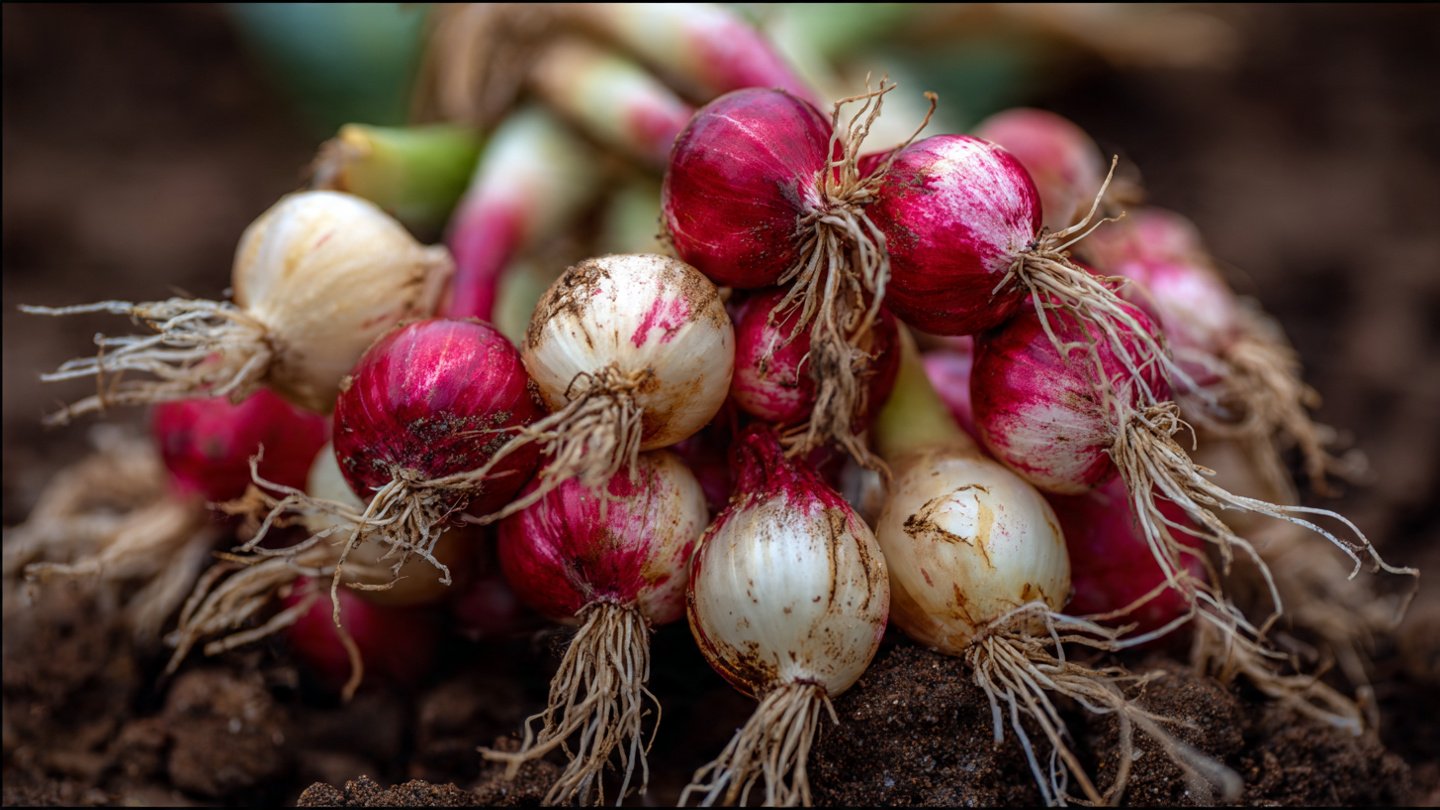
How to Multiply Onion Bulbs Naturally At Home for a Thriving Garden
Onions are a versatile and essential ingredient found in kitchens worldwide, prized for their flavor and nutritional benefits. If you love gardening and want to cultivate a thriving garden, multiplying onion bulbs naturally at home is an excellent skill to master. Not only does it allow you to have a steady supply of fresh onions, but it also adds value to your gardening experience by reducing the need to buy new seeds every season. In this article, we’ll explore effective methods to multiply onion bulbs naturally and provide tips to ensure a successful onion harvest.
Understanding Onion Bulbs
Onions (Allium cepa) are biennial plants grown as annuals for their edible bulbs. The bulb is the storage organ of the onion plant, formed underground from swollen leaf bases. There are several types of onions, including yellow, red, white, and sweet varieties, each with unique flavors and growing requirements.
Onions multiply in nature through seeds, bulb division, and offsets (small bulbs that form around the parent bulb). Gardeners can harness these natural processes to increase their onion stock.
Why Multiply Onion Bulbs Naturally?
- Cost-Effective: Reduces the expense of purchasing new seeds or seedlings each season.
- Adaptation: Homegrown bulbs adapt better to local growing conditions over time.
- Garden Sustainability: Promotes self-sustaining gardening and reduces reliance on commercial suppliers.
- Quality Control: You can selectively propagate onions that perform well in your garden, improving yield and flavor.

Methods to Multiply Onion Bulbs Naturally
1. Propagation from Onion Sets
Onion sets are small, immature bulbs harvested from the previous growing season. These can be planted directly to produce mature onions.
Steps:
- Collect healthy onion bulbs from your previous harvest.
- Cure them by leaving in a dry, airy place for 2-3 weeks.
- Store bulbs in a cool, dry place until planting time.
- Plant onion sets in early spring, about 1-2 inches deep, spaced 4-6 inches apart.
- Water consistently and mulch to retain moisture.
Onion sets will grow into mature onions and can be left to develop offsets to continue multiplying.

2. Growing Onions from Seeds and Producing Bulb Offsets
Starting onions from seeds can produce many bulbs, which naturally multiply through bulb formation and offsets.
Steps:
- Sow onion seeds indoors about 8-10 weeks before the last frost.
- Transplant seedlings outdoors when they are 4-6 inches tall.
- Provide regular watering and good fertilization.
- As onions mature, they produce bulblets or offsets at the base.
- Harvest the main bulbs and separate offsets carefully after curing.
- Plant offsets the following season to multiply your crop.
3. Dividing Flower Bulbs (Bulbils) on Top of the Stalk

Certain onion varieties, like Egyptian onions (Allium cepa var. proliferum) or tree onions, naturally produce small bulbils clustered on top of the flowering stalk.
Steps:
- Allow the flowering stalk to mature and develop bulbils.
- Harvest bulbils when they dry and begin to detach.
- Plant bulbils in pots or directly in garden soil.
- Water and care for them until they grow into mature bulbs.
- These mature bulbs can be separated and replanted to increase your onion stock.
4. Using Onion Bulb Division
For large, mature onions that have produced offsets, you can divide the cluster of bulbs.
Steps:

- Carefully dig out the entire onion clump.
- Separate the offsets from the main bulb.
- Each offset can be planted individually.
- Ensure each division has healthy roots attached to grow successfully.
Tips for Successful Onion Multiplication
- Soil Preparation: Onions thrive in fertile, well-drained soil with a pH between 6.0 and 7.0. Add compost or well-rotted manure to enrich soil texture and nutrients.
- Watering: Maintain consistent moisture but avoid waterlogging.
- Sunlight: Onions require full sun, at least 6-8 hours daily.
- Pest and Disease Control: Watch for common pests like onion maggots and diseases such as fungal infections. Use crop rotation and organic pest control methods.
- Curing: After harvesting, cure bulbs properly by drying them in a warm, ventilated area to extend storage life.
- Storage: Store cured bulbs in mesh bags or crates in a cool, dry location.

Seasonal Care for Onion Multiplication
- Spring: Plant sets, seeds, or bulbils as the soil warms.
- Summer: Water regularly and monitor for pests.
- Fall: Harvest mature bulbs and cure them.
- Winter: Store bulbs correctly or plant overwintering onions for early spring harvests.
Common Challenges and Solutions
- Bolting (Premature Flowering): Can reduce bulb size. Plant onions early or choose bolt-resistant varieties.
- Poor Germination: Use fresh seeds and maintain optimal soil moisture.
- Rotting Bulbs: Avoid overwatering and improve soil drainage.
Conclusion
Multiplying onion bulbs naturally at home is a rewarding gardening practice that ensures a continuous supply of fresh, flavorful onions. Whether you propagate through sets, seeds, bulbils, or division, the key is understanding the natural growth habits of onions and providing optimal growing conditions. With patience and care, your onion patch will thrive season after season, enhancing your garden’s productivity and your culinary creations. Happy gardening!