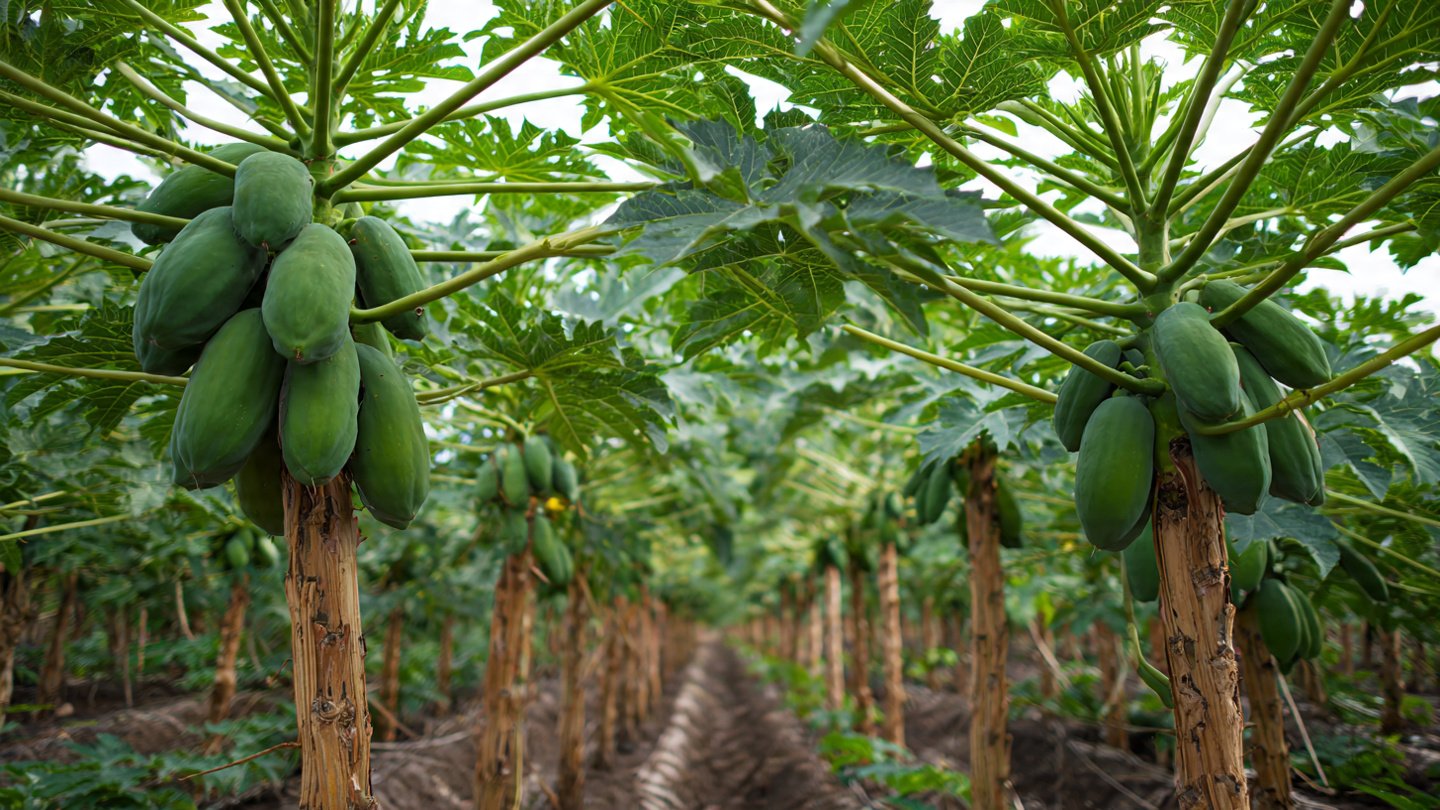
Papaya (Carica papaya) is a tropical fruit that is cherished not only for its sweet taste but also for its numerous health benefits. If you’re a home gardener or a commercial grower, achieving optimal growth and fruit production from your papaya trees is essential. One of the most effective techniques to ensure this is through proper pruning. In this article, we’ll delve into the papaya pruning method, its benefits, and step-by-step guidance to help you master this crucial horticultural practice.
Understanding Papaya Growth
Before we discuss pruning, it’s essential to understand the growth habits of papaya trees. Papayas are fast-growing, herbaceous plants that can reach heights of 10 to 30 feet, depending on the variety. They produce a single trunk, and their leaves form a crown at the top. Papayas are typically dioecious, meaning there are separate male and female plants; only female plants produce fruit.
Benefits of Pruning Papayas
- Enhanced Air Circulation: Regular pruning helps improve air circulation, reducing the risk of fungal diseases.
- Increased Sunlight Penetration: Pruning encourages better sunlight exposure, crucial for fruit ripening.
- Stronger Structure: Removing weak or damaged branches can create a sturdier plant that is better equipped to withstand winds and storms.
- Higher Yield: Proper pruning can lead to increased fruit production by directing energy towards fruit-bearing branches.
- Healthier Plants: By removing dead or diseased parts, you reduce the potential for pest infestations and plant diseases.

When to Prune Papayas
Pruning should ideally occur during the growing season, which typically falls between spring and early summer. The best time to prune is right before the onset of active growth when the plant starts to flower or develop fruit. Avoid pruning during extreme weather conditions, such as heavy rains or strong winds, as this can stress the plant.
Tools You Will Need
Before starting the pruning process, gather the necessary tools:
- Pruning Shears: Sharp shears for clean cuts.
- Loppers: For thicker branches that your shears can’t handle.
- Gloves: To protect your hands from sap and thorny parts.
- Mask: In case the sap causes irritation.
- Disinfectant Spray: To clean your tools before and after pruning, preventing disease spread.
Step-by-Step Pruning Guide

Step 1: Assess Your Papaya Tree
Before making any cuts, closely examine your papaya tree. Look for:
- Dead or diseased branches.
- Suckers or shoots emerging from the base of the tree.
- Overcrowded or crossing branches.
- Any signs of pest infestation.
Step 2: Start with Dead or Diseased Material
- Remove dead branches: These can attract pests and diseases. Cut them off at the base where they connect to the trunk.
- Take out diseased parts: If you notice blackened or wilted leaves, remove them immediately to prevent the spread of disease.
Step 3: Thinning

- Target Overcrowded Areas: If your papaya tree has too many branches, select those that are weak or crossing each other. Thinning will help increase air circulation and allow more light to reach the interior of the plant.
- Prune Suckers: These are new shoots that emerge from the base of the trunk. They can drain energy from the main plant. Remove all but one or two of the healthiest suckers to maintain the plant’s vigor.
Step 4: Shaping the Tree
- Focus on the Upper Leaves: Aim to keep the top foliage balanced. This promotes even growth across the plant.
- Cut back long branches: Trim excessively long branches to encourage bushiness. Generally, a branch should be pruned to just above a leaf node.
Step 5: Promote Fruit Development
- Controlled Cutting: To encourage fruit-bearing branches, prune back to just above a flower bud. This encourages the plant to direct growth towards the production of fruits.
- Remove All Male Flowers: If you’re working with both male and female papayas, eliminate the male flowers to ensure that energy goes into fruit production.
Step 6: Clean Up
- Dispose of Pruned Materials: Either compost the healthy prunings or dispose of diseased parts to minimize the spread of diseases.
- Sterilize Tools: Wipe down your pruning tools with a disinfectant to prevent introducing diseases to other plants.

Tips for Ongoing Care Post-Pruning
After pruning, your papaya plants will require some extra care:
Watering
Water the plants well after pruning. This helps to promote recovery and encourage new growth. Ensure that the soil remains moist but not waterlogged.
Fertilization
Consider applying a balanced organic fertilizer post-pruning. High potassium content fertilizers can encourage flowering and fruiting. Fertilize every few months for continuous growth.
Monitoring and Maintenance
Regularly inspect your papaya plants after pruning. Look for any new growth or signs of problems, such as pests or diseases. Address these issues promptly to maintain plant health and productivity.

Common Mistakes to Avoid
- Over-pruning: While pruning is beneficial, excessive pruning can stress the plant and inhibit growth.
- Ignoring Seasonal Changes: Pruning at the wrong time can make the plant more susceptible to diseases.
- Neglecting Tool Hygiene: Failing to clean your tools can transfer diseases from one plant to another.
- Not Understanding Your Plant’s Requirements: Each variety may have different needs; do research on the specific type of papaya you’re growing.
Conclusion
Mastering the papaya pruning method is integral to promoting healthy growth and maximizing fruit production in your papaya trees. With patience and a careful approach, you can significantly enhance your gardening success. Pruning not only invigorates your plants but also transforms your garden into a vibrant space teeming with delicious fruits. By following the steps outlined in this guide and being attentive to the specific needs of your papaya trees, you’re well on your way to becoming an expert in cultivating this tropical delight. Whether for personal use or commercial production, understanding and implementing effective pruning techniques will undoubtedly lead to bountiful harvests and healthy plants.
As you embark on your papaya pruning journey, remember that each cut you make should serve the plant’s overall health and productivity goals. Happy gardening!