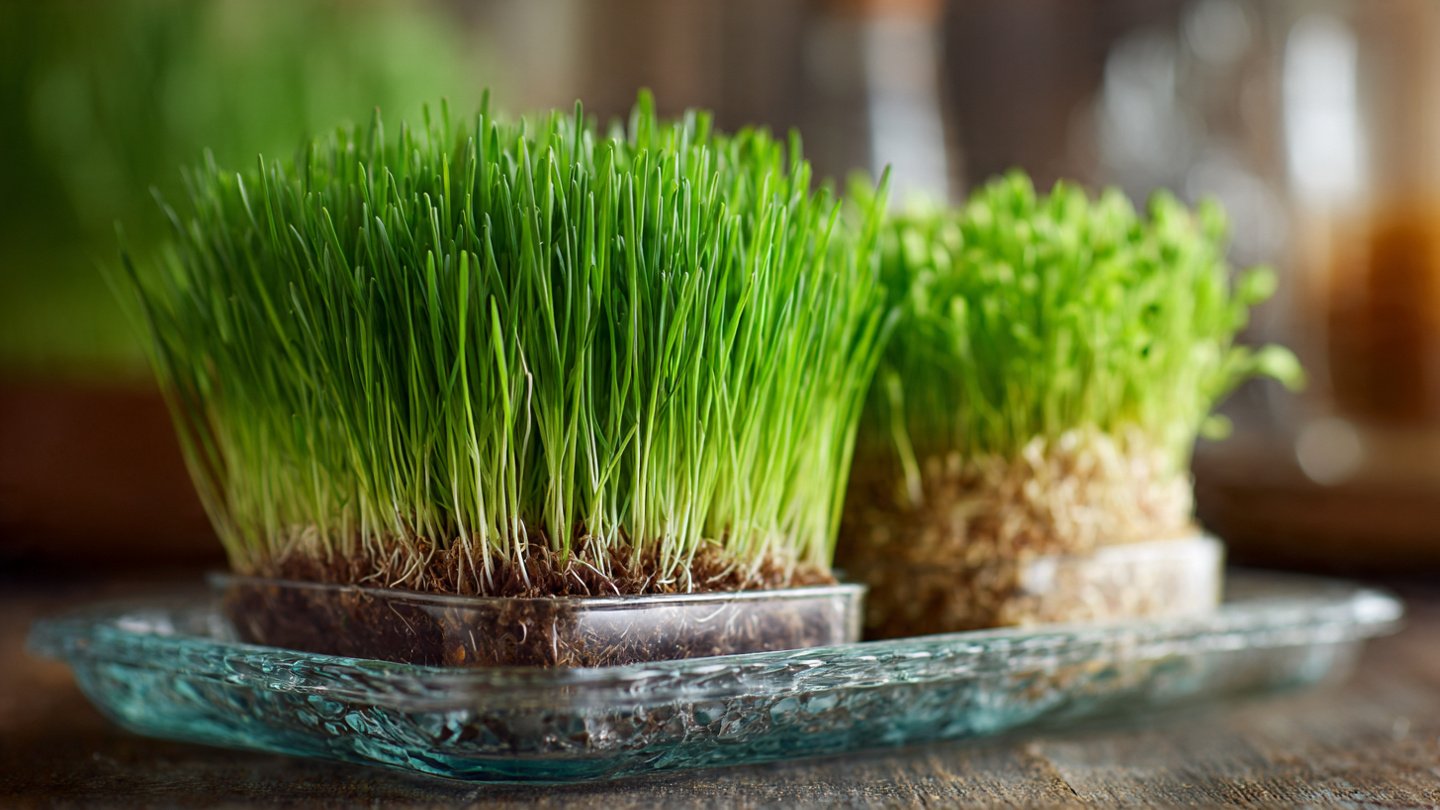
Wheatgrass has gained a reputation as a superfood, lauded for its potential health benefits, including high nutrient content, detoxification properties, and alkalizing effects. Growing wheatgrass at home offers a sustainable and economical way to access this nutrient powerhouse year-round. This article outlines the essentials for mastering the art of growing wheatgrass, providing detailed insights on preparation, cultivation, harvesting, and tips for optimal health benefits.
Understanding Wheatgrass
What is Wheatgrass?
Wheatgrass is the young seedling of the wheat plant, Triticum aestivum. Typically harvested when it is about 7-10 days old, the grass is rich in vitamins A, C, and E, iron, calcium, magnesium, and a host of amino acids, making it a nutrient-dense addition to your diet.
Health Benefits
- Rich in Nutrients: Wheatgrass is packed with essential vitamins and minerals, contributing to overall health and wellness.
- Detoxification: Contains chlorophyll, which aids in liver detoxification and improves oxygen supply to cells.
- Alkalizing Effects: Helps to neutralize acidity in the body, promoting a balanced pH.
- Digestive Health: Supports digestive functions and can be beneficial for gut health.
- Boosts Energy: Many people report increased energy levels after including wheatgrass in their diets, thanks to its rich nutrient profile.
Choosing the Right Variety of Wheatgrass
Before you start growing, it’s crucial to choose the right variety. Although common wheatgrass usually refers to the standard variety, the following types can also be considered:

- Hard Red Winter Wheat: This variety grows quickly and is often preferred for its nutrient density and taste.
- Soft White Wheat: Known for its sweetness, this variety can add a different flavor profile to your wheatgrass juice.
Preparing for Growth
Gathering Supplies
To grow wheatgrass successfully, you’ll need the following materials:
- Seeds: Purchase high-quality, organic wheatgrass seeds to ensure you’re growing a nutrient-rich crop.
- Containers: Shallow and wide trays or pots work best; ensure they have drainage holes.
- Soil: Use organic potting soil or a soilless growing medium for optimal growth.
- Watering Can or Spray Bottle: To water your plants without over-saturating them.
- Lighting: A sunny windowsill or grow lights, particularly during darker months.
- Fertilizer (Optional): Organic fertilizers can enhance growth, but wheatgrass typically thrives without them.
Soaking the Seeds
Soaking the seeds before planting is crucial. It ensures better germination rates and prepares the seeds for growth.

- Rinse: Rinse the wheatgrass seeds thoroughly to remove any impurities.
- Soak: Place the seeds in a bowl and cover them with fresh water. Allow them to soak for 8-12 hours.
Preparing the Containers
- Fill Trays: Fill your trays with 1-2 inches of damp soil or a growing medium.
- Level the Surface: Use your fingers to smooth the surface, creating an even layer for sowing.
Planting Wheatgrass
Sowing the Seeds
- Sprinkle Seeds: Evenly distribute soaked seeds over the surface of the soil. Aim for about 2-3 tablespoons of seeds per tray.
- Lightly Press: Gently press the seeds into the soil to ensure good seed-to-soil contact.
- Cover: You can cover the seeds with a light layer of soil, but it’s not necessary as wheatgrass can also grow well uncovered.
Watering
After sowing, lightly mist the seeds with water to avoid displacing them. Keep the soil consistently moist but not waterlogged.
Optimal Growing Conditions

Light
Wheatgrass requires plenty of light to thrive.
- Natural Light: Place trays in a south-facing window where they can receive direct sunlight for 4-6 hours a day.
- Grow Lights: If natural light is insufficient (especially during winter), consider using full-spectrum grow lights.
Temperature
Wheatgrass grows best at temperatures around 60-75°F (15-24°C). Maintaining a consistent temperature will enhance seed germination and growth.
Humidity
Keep the trays covered with a plastic lid or cling film for the first few days to maintain humidity and encourage germination. Once the grass begins to grow, remove the cover.
Caring for Wheatgrass
Watering Routine
Water your wheatgrass daily, ensuring the soil remains consistently moist. Avoid overwatering, as this can lead to mold growth.
Air Circulation

Ensure good air circulation around the trays to prevent fungal issues. If growing indoors, consider occasional light ventilation.
Fertilization
While wheatgrass can grow adequately without fertilizer, occasionally using organic liquid fertilizer can help boost its nutrient content.
Harvesting Wheatgrass
Wheatgrass is typically ready to harvest between 7 to 10 days after planting when the grass reaches about 6-8 inches in height.
How to Harvest
- Use Scissors: Cut the grass just above the soil level using sharp scissors.
- Avoid Pulling: Do not pull the grass out by the roots, as this can disturb the remaining soil and seeds.
Storing and Consuming Wheatgrass
Storage
If you’re not consuming it immediately, fresh wheatgrass can be stored in the refrigerator for up to a week. Make sure to keep it in a sealed container to prevent it from drying out.
Consumption Methods

- Juicing: The most popular method is to juice wheatgrass using a wheatgrass juicer or a standard juicer. Consuming freshly pressed juice maximizes nutrient benefits.
- Smoothies: Add a small amount (1-2 ounces) to your smoothies for a nutritional boost.
- Powder: If you have leftover wheatgrass, consider drying it and grinding it into powder for use in smoothies or as a supplement.
Potential Risks and Precautions
When consuming wheatgrass, it’s important to be aware of potential issues:
- Allergic Reactions: Some individuals may have allergic reactions, particularly if they have a sensitivity to grasses.
- Digestive Discomfort: Start with small amounts, as consuming too much may lead to digestive upset.
- Quality Control: Always source seeds and supplies from reputable sources to avoid contaminants.
Conclusion
Growing wheatgrass year-round is not only a rewarding endeavor but also a significant step towards improving your health. With proper preparation, care, and harvesting techniques, you can enjoy the myriad benefits this superfood offers. Whether you consume it as juice, in smoothies, or as a powder, incorporating wheatgrass into your diet can enhance your overall well-being.
By following the guidelines outlined in this article, you can master the art of growing wheatgrass at home, ensuring you have a fresh, nutrient-rich supply available every day. Embrace this green powerhouse, and let it contribute to a healthier lifestyle!