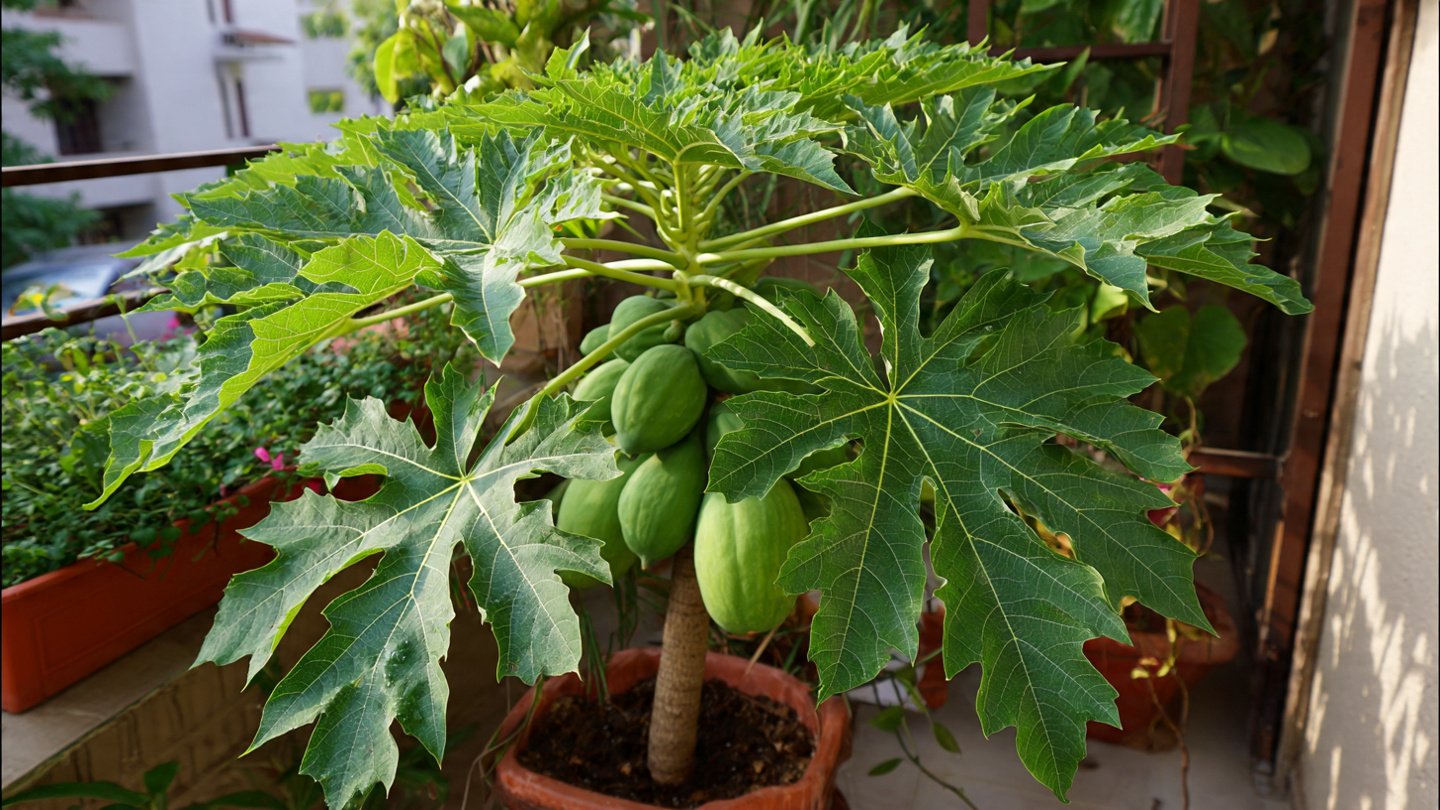
Growing your own fruit can be incredibly rewarding, and one of the easiest and most delicious fruits to cultivate at home is the Red Lady Papaya. Known for its sweet, orange flesh and smooth texture, the Red Lady variety is not only great for eating fresh but also excellent for smoothies, salads, and desserts. In this comprehensive guide, you will learn everything you need to know about growing Red Lady Papaya at home, from seed selection to harvest.
Understanding the Red Lady Papaya
The Red Lady Papaya is a hybrid cultivar that is famous for its high yield and ability to adapt to various climates, though it flourishes best in tropical and subtropical regions. It can grow up to 3-5 meters tall and produces fruit in just 6-12 months after planting. The papaya tree is not just functional; its large, palmate leaves add a tropical aesthetic to gardens or balconies.
Benefits of Growing Red Lady Papaya
-
Nutritional Benefits: Papaya is rich in vitamins A, C, and E, as well as digestive enzymes that can aid in digestion.
-
Easy to Grow: With the right conditions, Red Lady Papaya is relatively easy to grow, making it suitable for beginners.
-
Space Efficient: Papaya trees take up less space compared to other fruit-bearing plants and can be grown in pots if space is limited.
Step 1: Preparing for Planting
Space and Conditions
Before planting, assess your space. Red Lady Papaya requires:

- Sunlight: At least 6-8 hours of direct sunlight each day.
- Temperature: Thrives in warm conditions, typically between 70°F and 90°F (20°C to 32°C).
- Soil: Well-draining, sandy loam is ideal. Avoid heavy clay or poorly-draining soils.
Tools and Materials Needed
- Papaya seeds or seedlings
- Potting soil (if using pots)
- Fertilizer (balanced, preferably organic)
- A large pot or garden space
- Watering can or hose
Choosing Seeds or Seedlings
While you can start with seeds from a papaya fruit, purchasing certified seeds ensures better germination rates and disease resistance. Look for reputable suppliers or garden centers that sell Red Lady Papaya seeds.
Step 2: Planting
Indirect Germination

- Soaking Seeds: If you are using seeds, soak them in water for about 24 hours to pre-germinate.
- Planting Depth: Plant seeds about ½ inch deep in seed trays or small pots.
- Soil Mixture: Use a mix of potting soil and compost to provide nutrients.
Direct Planting
If you’re planting directly in your garden:
- Spacing: Space plants at least 3-8 feet apart to allow their leaves and fruit to grow without impediments.
- Preparation: Loosen the soil in the planting area and mix in organic compost.
Watering
After planting, water the soil thoroughly until it’s damp but not soggy. Keep the soil consistently moist until the plants establish roots.
Step 3: Caring for Your Papaya Plant
Watering
Papaya trees prefer moist soil but not waterlogged conditions. Water regularly, especially during dry spells, and always check the soil moisture level before another watering.

Fertilization
- Initial Feeding: About two weeks after planting, apply a balanced fertilizer (like 10-10-10) per the specific product’s instructions.
- Regular Feeding: Fertilize every few months. An all-purpose organic fertilizer works well.
Pruning
While not strictly necessary, lightly pruning dead leaves and stems can improve air circulation and thus plant health. Be cautious not to prune too much, as the tree’s leaves are vital for photosynthesis.
Pest and Disease Management
Papaya plants can be susceptible to pests such as aphids, spider mites, and fruit flies. Utilize natural pest control methods like introducing beneficial insects or using neem oil. Always test a small area first to ensure your plants can tolerate any treatments.
Step 4: Monitoring Growth
Growth Stages
- Seedling Stage: Small papaya seedlings will emerge within 1-3 weeks after planting.
- Vegetative Stage: Rapid growth occurs due to optimal conditions. Ensure the plant receives enough sunlight and moisture.
- Flowering and Fruit Development: After about 6 months, flowers will begin to form. Red Lady Papayas can be male, female, or hermaphrodite. Male plants produce pollen but no fruit, while hermaphrodites can bear fruit.
Identifying Flower Types

- Male Flowers: Appear in clusters and have slender stems.
- Female Flowers: Single, bell-shaped blooms located lower on the plant.
- Hermaphrodite Flowers: These are the most desirable since they produce fruit.
Step 5: Harvesting Your Papayas
When to Harvest
- Color: The skin of the papaya should turn from green to yellowish-orange.
- Softness: Gently press the fruit; if it yields slightly, it’s ready to harvest.
Harvesting Technique
Use hand pruners or a sharp knife to cut the papaya from the tree, leaving a small portion of stem attached for best results.
Storage
After harvesting, let the papayas ripen at room temperature. Once ripe, store them in the refrigerator for a few days.
Step 6: Troubleshooting Common Issues
Lack of Flowers or Fruit
Often results from poor sunlight or nutrient deficiencies. Ensure your plant is in a sunny spot and consider fertilizing again.
Yellow Leaves
This can indicate over-watering or nutrient deficiency. Assess your watering schedule and consider applying a balanced fertilizer.
Pests
Check regularly for signs of pest activity. Use organic pest solutions before resorting to chemical options.
Step 7: Enjoying Your Papayas
Once your papayas are ripe, enjoy them fresh or use them in various recipes. They can be sliced, diced, or blended into smoothies. Additionally, papayas can make delicious jams and desserts.
Conclusion
Growing Red Lady Papaya at home is an engaging endeavor, providing you with bountiful fruits and a sense of accomplishment. With the right conditions, care, and knowledge, you will enjoy this tropical delight from your own garden in no time. The steps from selecting seeds, caring for your plants, to eventually harvesting delicious fruits all make for an enriching gardening experience. Whether you’re a novice gardener or an experienced grower, cultivating papayas can be a fruitful and gratifying project. Happy gardening!