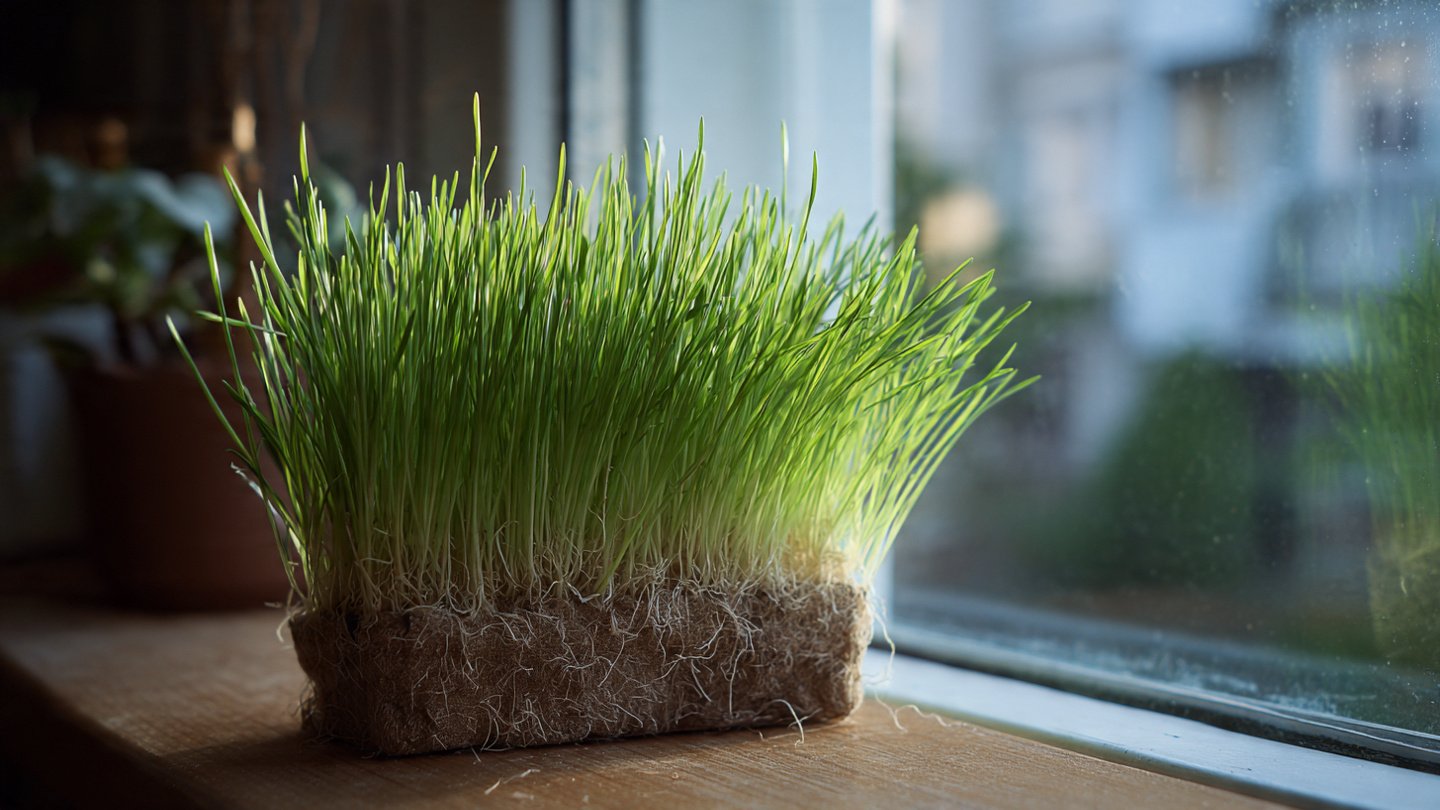
Wheatgrass, the young grass of the common wheat plant (Triticum aestivum), has gained popularity as a health supplement in recent years, praised for its numerous nutritional benefits. Packed with vitamins, minerals, and chlorophyll, wheatgrass is considered a superfood that can significantly contribute to a healthier lifestyle. Growing organic wheatgrass at home is not only easy and cost-effective but also a rewarding endeavor that ensures you have a fresh supply at your fingertips. This article will guide you through the entire process, from choosing seeds to harvesting your wheatgrass.
Why Grow Wheatgrass?
-
Nutritional Benefits: Wheatgrass is a nutrient-dense food, containing high levels of vitamins A, C, and E, as well as several B vitamins. It is also rich in minerals such as iron, calcium, magnesium, and potassium. The high chlorophyll content is believed to have detoxifying properties, cleansing the body and improving overall health.
-
Ease of Growth: Wheatgrass is straightforward to grow, even for beginners. It doesn’t require special gardening skills or equipment, and can be cultivated indoors or outdoors.
-
Cost-Effective: Purchasing organic wheatgrass can be expensive. Growing it at home helps you save money while ensuring quality.
-
Freshness: There’s nothing quite like harvesting and consuming your own freshly grown wheatgrass. It retains maximum nutrients when consumed shortly after harvest.
Getting Started: Materials Needed
To successfully grow wheatgrass at home, you’ll need the following items:

- Wheatgrass Seeds: Buy high-quality organic seeds. You can find them at health food stores or specialty online retailers.
- Growing Trays or Containers: Shallow trays or containers with drainage holes are ideal.
- Soil: Use organic potting soil or a seed-starting mix.
- Water: Clean, fresh water for soaking seeds and watering.
- Light Source: Natural sunlight or a grow light to ensure adequate light for growth.
Step-by-Step Guide to Growing Wheatgrass
Step 1: Soak the Seeds
-
Purchase Seed: Start with organic wheatgrass seeds. The quantity required can vary but generally, 1 cup of seeds is sufficient for a standard growing tray.
-
Soak: Place the wheatgrass seeds in a bowl and cover them with water. Let them soak for 8 to 12 hours. This process activates the seeds, initiating the germination process.
-
Drain and Rinse: After soaking, drain the water and rinse the seeds thoroughly to remove any debris or mold.

Step 2: Prepare the Growing Medium
-
Choose a Tray: Select a shallow tray (about 1-2 inches deep) and ensure it has drainage holes.
-
Add Soil: Fill the tray with organic potting soil, leaving about half an inch from the top. Level the soil and lightly press it down to eliminate any air pockets.
-
Water Soil: Before planting, water the soil to ensure it’s damp but not soggy.
Step 3: Plant the Seeds
-
Even Distribution: Spread the soaked seeds evenly over the surface of the soil. Aim for a dense coverage without overcrowding.
-
Cover with Soil: Lightly sprinkle a thin layer of soil over the seeds, about 1/4 inch deep, to protect them.
-
Water Gently: Use a spray bottle or gentle pouring method to moisten the top layer of soil without displacing the seeds.

Step 4: Create the Right Environment
-
Humidity: Cover the tray with a piece of plastic wrap or a lid to maintain humidity while the seeds germinate. This environment is crucial for successful sprouting.
-
Location: Place the covered tray in a warm area with indirect sunlight or under a grow light. Ideal temperatures range from 65°F to 75°F (18°C to 24°C).
-
Light: After 3-4 days, once the seeds have sprouted, remove the cover and place the tray in a well-lit area with at least 12-16 hours of light daily.
Step 5: Watering and Maintenance
-
Regular Watering: Keep the soil consistently moist. Use a spray bottle to water gently, avoiding any disturbance to the seedlings.
-
Air Circulation: Ensure good air circulation around your wheatgrass to prevent mold growth.

-
Fertilization: While not typically necessary, you can add a diluted liquid organic fertilizer once your wheatgrass is a couple of inches tall to promote rapid growth.
Step 6: Harvesting the Wheatgrass
-
Growing Duration: Wheatgrass typically takes 7-14 days to grow to a height of about 6-8 inches, depending on environmental conditions.
-
When to Harvest: The best time to harvest is just before the grass begins to flower. At this point, it will have the maximum nutrients.
-
How to Harvest: Use scissors to cut the wheatgrass just above the soil level. Aim to harvest only what you need, as fresh wheatgrass is best consumed shortly after cutting.
Step 7: Storing and Using Wheatgrass
-
Fresh Consumption: The most effective way to consume wheatgrass is fresh. You can juice it, blend it into smoothies, or add it to other recipes.
-
Juicing: A wheatgrass juicer can extract the juice effectively, providing you with a nutrient-rich drink. If you don’t have a juicer, you can blend it with water and strain it through a cheesecloth.
-
Storage: If you have excess wheatgrass, store it in a sealed container in the refrigerator for up to a week. For longer storage, consider freezing it in ice cube trays.

Tips for Successful Wheatgrass Growth
- Avoid Overwatering: Too much water can lead to mold growth. Ensure proper drainage.
- Rotate Trays: If growing multiple trays, rotate them for even light exposure.
- Clean Equipment: Use clean trays and tools to prevent contamination and diseases.
- Experiment with Varieties: Try different varieties of wheatgrass or other types of grasses, such as barley or oat grass, for variety.
Conclusion
Growing organic wheatgrass at home is a fulfilling and nutritious endeavor that can promote a healthier lifestyle. Not only do you benefit from the superfood’s rich nutrient profile, but you also enjoy the satisfaction of cultivating your own food. With minimal effort and the right approach, you can have fresh wheatgrass available to enhance your smoothies, juices, or even as an ingredient in salads.
Incorporating wheatgrass into your daily diet can fortify your immune system, detoxify your body, and boost your energy levels. Get started today, and embrace the health benefits of homegrown wheatgrass for a vibrant, healthier future!