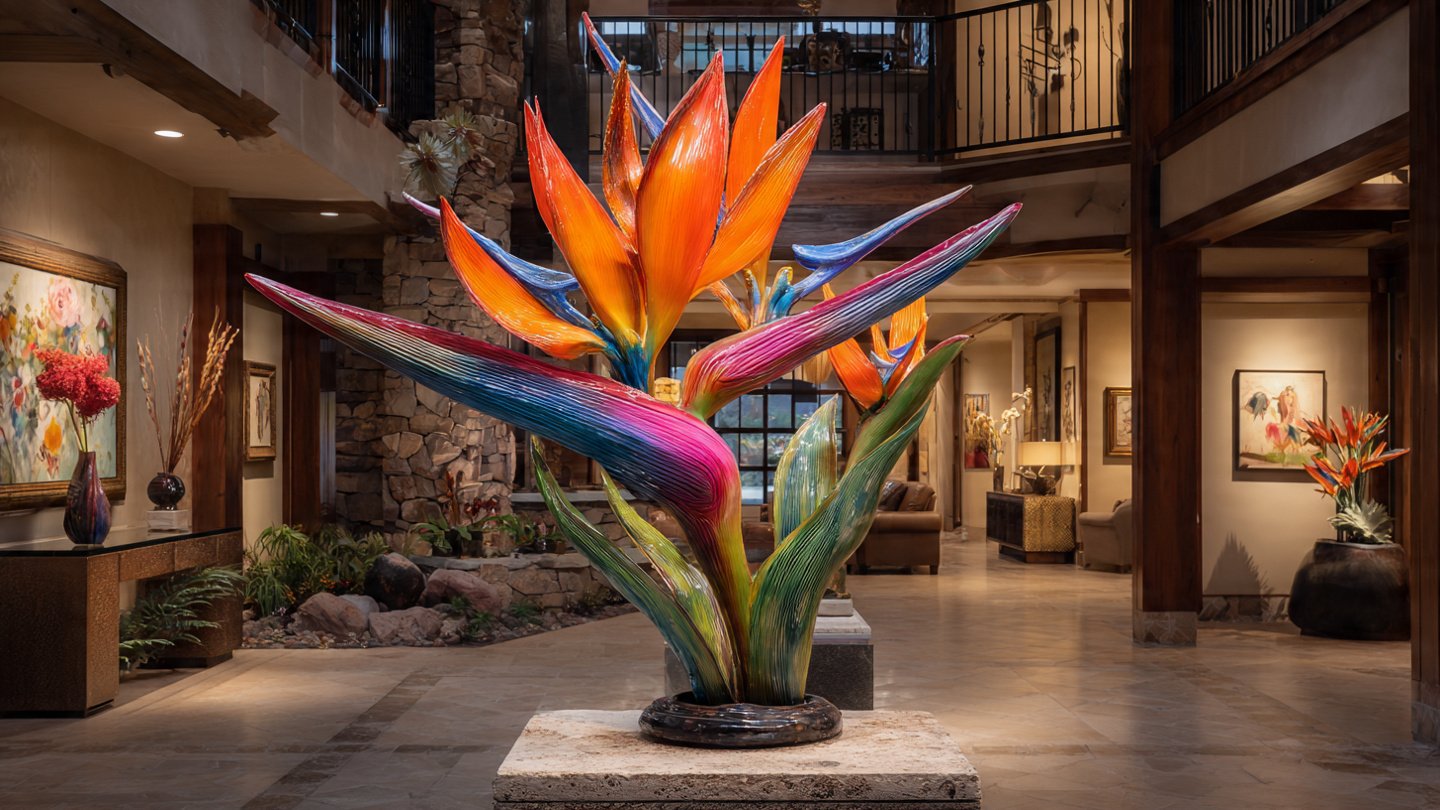
The Giant Bird of Paradise (Strelitzia nicolai) is an extraordinary tropical plant known for its striking architectural form and large, vibrant leaves. This plant not only enhances the aesthetic of your home but also brings a touch of the tropical paradise into your living space. If you’re considering cultivating this majestic plant to create a resort-style ambiance at home, this article provides a comprehensive guide on how to successfully grow Giant Bird of Paradise.
1. Understanding the Giant Bird of Paradise
1.1 Characteristics
The Giant Bird of Paradise is a robust perennial plant that can grow up to 30 feet tall in its native habitat, with thick, architectural leaves that can reach about 6 feet in length. The plant produces unique, spectacular flowers that resemble exotic birds, hence the name. The elongated flower spikes can feature vibrant shades of orange, blue, and yellow, making it a visual focal point.
1.2 Varieties
While Strelitzia nicolai is the most commonly cultivated form, other varieties include:
- Strelitzia reginae: Known for its smaller size and brightly colored flowers.
- Strelitzia juncea: A more delicate version with thinner leaves.
1.3 Climate
This tropical plant thrives in warm climates but can adapt to indoor conditions. It prefers temperatures between 65°F and 70°F (18°C to 21°C) and does not tolerate frost well.
2. Choosing the Right Location
2.1 Indoor vs. Outdoor
Creating a resort-style effect starts with the right placement:
- Indoor: An area with ample sunlight, like a south-facing window, is ideal. If this isn’t available, consider grow lights.
- Outdoor: Plant it in a sunny spot in your garden or patio that receives at least 6 hours of direct sunlight daily. It can also thrive in partial shade if grown in hot climates.

2.2 Container vs. Ground
Deciding whether to plant your Giant Bird of Paradise in a container or directly in the ground can depend on your space, climate conditions, and styling preferences.
- Container: Provides flexibility in placement and mobility while enhancing pathways or patios.
- Ground: Allows for maximum growth, as the plant has more space for its roots.
3. Preparing the Soil
3.1 Soil Composition
The Giant Bird of Paradise prefers well-draining soil rich in organic matter. A mixture of:
- 40% potting soil
- 30% peat moss
- 30% perlite or sand
This blend promotes good drainage while ensuring the plant receives essential nutrients.
3.2 pH Level
Aim for a pH level between 6.0 and 7.0. You can test your soil using a pH testing kit. If your soil is too acidic, you can add lime to raise the pH, or if too alkaline, sulfur can lower it.
4. Planting Your Giant Bird of Paradise

4.1 Timing
Plant your Giant Bird of Paradise in spring or early summer, when the risk of frost has passed, and temperatures are warmer, supporting better root growth.
4.2 Planting Steps
- Prepare the Hole: Dig a hole about twice the size of the root ball.
- Add Soil Amendments: Mix in some slow-release fertilizer.
- Position the Plant: Center the plant in the hole and make sure it’s at the same depth as it was in the pot.
- Backfill and Water: Fill around the roots and water generously.
5. Watering
5.1 Watering Schedule
Giant Bird of Paradise enjoys moisture but should not sit in water. A good rule of thumb is to water when the top inch of soil feels dry.
- Indoor plants: Water every 1-2 weeks depending on humidity.
- Outdoor plants: They might need more frequent watering during hot summer months.
5.2 Signs of Over or Underwatering
- Overwatering: Yellowing leaves, root rot, or fungal issues.
- Underwatering: Wilting leaves and dry soil.
6. Fertilizing
6.1 Type of Fertilizer
Use a balanced, slow-release fertilizer during the growing season (spring and summer).
6.2 Application Schedule
Fertilize every 4-6 weeks during the growing season. In fall and winter, reduce fertilization, as the plant enters dormancy.
7. Pruning and Maintenance
7.1 When to Prune
Prune your plant in late winter or early spring to encourage new growth. Remove any yellow or damaged leaves.
7.2 How to Prune
- Use clean, sharp pruning shears to cut diseased or dead leaves at the base.
- Maintain the plant’s shape by cutting back any overly long stems.
8. Pests and Diseases
8.1 Common Pests
- Spider Mites: Look for webbing; treat with insecticidal soap.
- Mealybugs: Small, cotton-like pests that can sap the plant’s energy; remove manually or treat with neem oil.
8.2 Diseases
- Root Rot: Caused by overwatering; ensure good drainage.
- Leaf Spot: Avoid wetting leaves; treat affected areas with fungicide.
9. Propagation
9.1 Division Method
The easiest way to propagate Giant Bird of Paradise is through division:
- Timing: Early spring during the growing season is best.
- Method: Carefully remove the plant from the pot, separate the root clumps, and replant in new pots.
9.2 Seed Propagation
Though more time-consuming, it’s possible to propagate from seeds:
- Soak seeds in water for 24 hours.
- Plant in a seed-starting mix.
- Keep the soil moist and in warm temperatures until germination, typically taking 1-3 months.
10. Creating a Resort-Style Ambiance
10.1 Pairing with Other Plants
To achieve that perfect tropical resort feel, consider pairing your Giant Bird of Paradise with:
- Palms: Such as Areca or Kentia palms.
- Ferns: Boston ferns can add lushness.
- Colorful Bromeliads: These provide bold color contrast.
10.2 Indoor Styling Tips
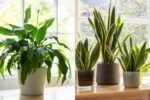
- Use Decorative Pots: Large, stylish pots can make a statement.
- Group Plants: Create clusters for a more natural look.
- Lighting: Consider accent or grow lights to highlight the plant in indoor settings.
10.3 Outdoor Styling Tips
- Landscaping: Position among rocks, pathways, or other plants for a tropical effect.
- Water Features: Adding a small fountain or pond can enhance the feel.
- Seating Areas: Create a relaxing nook with comfortable seating near your plants.
Conclusion
Growing Giant Bird of Paradise is not only about aesthetics; it’s an experience that brings the relaxation and beauty of tropical environments into your home. Whether indoors or outdoors, the vibrant foliage and unique flowers will transform your space, providing a resort-style effect that you can enjoy year-round. By following these guidelines, you’ll be well on your way to cultivating a stunning tropical oasis in your own backyard or living room.
Final Tips
Always remember to respect your plant’s needs for water, light, and nutrients, and don’t hesitate to adjust based on your specific environment. With a little patience and care, your Giant Bird of Paradise will flourish, making your home feel like a never-ending vacation.