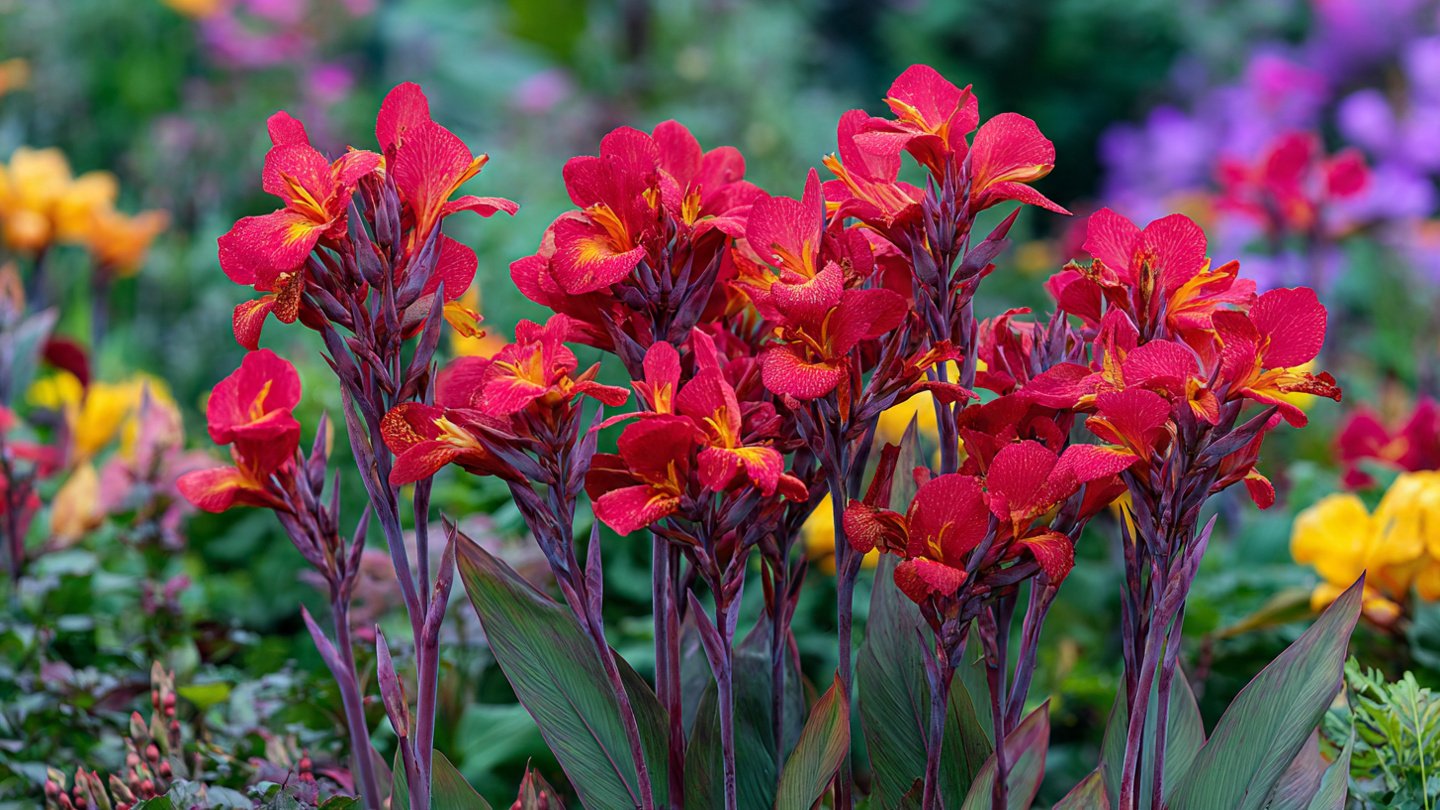
How to Grow Canna Lily for a Stunning Mass Color Display in Your Garden
If you’re looking to add a tropical vibe and a burst of vibrant color to your garden, Canna lilies are an excellent choice. These striking plants not only boast large, lush foliage but also produce beautiful, bold flowers that come in a variety of hues. In this article, we’ll explore how to grow Canna lilies effectively, providing you with the best tips and techniques to achieve a stunning mass color display in your garden.
Understanding Canna Lilies
Canna lilies (Canna indica, Canna generalis, etc.) belong to the family Cannaceae and are native to tropical and subtropical regions. Known for their dramatic appearance, they can grow between 3 to 8 feet tall, depending on the variety, and their flowers can be red, orange, yellow, or even pink. These plants are perfect for mixed borders, tropical gardens, or as standalone focal points due to their striking and colorful blooms.
Selecting the Right Varieties
Before you begin growing Canna lilies, it’s essential to select the right varieties for your garden. Here are a few popular options:
-
Canna indica: Known for its tall stature and vibrant flowers, this variety is perfect for creating a dramatic display.
-
Canna generalis: This is a hybrid variety that often produces larger blooms and comes in a range of colors, making it ideal for mass planting.
-
Canna ‘Tropicana’: Famous for its variegated leaves and bright orange flowers, this variety adds a unique touch to any garden.
-
Canna ‘Bengal Tiger’: With striking yellow and green striped foliage, this variety offers an exciting visual element even when not in bloom.

Choosing the Right Location
Canna lilies thrive in full sun to partial shade, but for maximum blooms, sun exposure is crucial. Select a location that gets at least 6 to 8 hours of sunlight daily. Make sure the area has well-draining soil, as Canna lilies do not like soggy roots. To ensure proper drainage, you can amend your soil with compost or organic matter to improve its texture and aeration.
Preparing the Soil
The soil is a fundamental element for growing healthy Canna lilies. Here’s how to prepare it:
-
Soil Test: Conduct a soil test to determine its pH and nutrient levels. Canna lilies prefer slightly acidic to neutral soil (pH 6.0-7.0).
-
Amendments: Add organic matter like compost, well-rotted manure, or peat moss to enrich the soil. This will enhance moisture retention and provide nutrients.
-
Drainage: Ensure good drainage by incorporating sand or perlite into heavy clay soils. Raised beds can also be helpful in areas with poor drainage.
Planting Canna Lilies
Once you’ve prepared your soil and selected your varieties, it’s time to plant.

-
Timing: Plant Canna lilies in the spring after the last frost date in your area. This allows them to establish themselves and thrive during the warm months.
-
Spacing: Space your Canna lilies about 18 to 24 inches apart. This distance allows for air circulation and room for their foliage to spread.
-
Planting Depth: Plant the rhizomes (the thick, horizontal stems) 4 to 6 inches deep in the soil. Ensure the “eyes” or buds are facing upward, as they will sprout into new growth.
Watering and Fertilization
Proper watering and fertilization are vital to the health of Canna lilies.
-
Watering: Canna lilies require regular watering, especially during dry spells. Aim for about 1 inch of water per week. Use a soaker hose or drip irrigation to keep the soil moist but not waterlogged.
-
Fertilization: Apply a balanced, slow-release fertilizer in spring, just as new growth emerges. A fertilizer with equal parts nitrogen, phosphorus, and potassium (such as 10-10-10) is ideal. Reapply every few weeks during the growing season to keep your plants healthy and blooming.
Pest and Disease Management
Like all garden plants, Canna lilies can be susceptible to pests and diseases. Here are some common issues and how to manage them:

-
Pests: Watch out for aphids, spider mites, and snails. Regular inspections and the application of insecticidal soap or neem oil can help manage pests.
-
Fungal Diseases: Ensure good airflow around your plants to prevent fungal diseases like leaf spot or rust. If you notice any diseased leaves, remove them promptly to prevent spread.
-
Root Rot: This occurs when Canna lilies are overwatered or planted in poorly drained soil. To prevent this, ensure your soil drains well and that you’re not watering too frequently.
Caring for Canna Lilies
Caring for your Canna lilies is essential for maximizing their growth and bloom potential.
-
Mulching: Apply a layer of mulch around the base of the plants. This will help retain moisture, suppress weeds, and maintain a consistent soil temperature.
-
Deadheading: Regularly remove spent flowers to encourage more blooms. Deadheading helps the plant focus its energy on producing new flowers rather than setting seed.
-
Dividing: Every few years, it’s advisable to divide your Canna lily rhizomes to prevent overcrowding and to encourage vigorous growth. This can be done in early spring before new growth starts. Carefully dig up the rhizomes, separate them, and replant them.

Preparing for Winter
If you live in a region that experiences cold winters, it’s crucial to take steps to protect your Canna lilies.
-
Digging Up Rhizomes: Before the first frost, dig up the rhizomes and carefully clean them of soil. Allow them to dry for a few hours.
-
Storage: Store the dry rhizomes in a cool, dark place, like a basement or a garage, in a box with peat moss or sand to prevent them from drying out completely. Ensure the temperature remains above freezing.
-
Replanting: In spring, replant the rhizomes following the guidelines provided earlier.
Designing Your Garden with Canna Lilies
Canna lilies can be used in various ways to add color and height to your garden design:
-
Mass Planting: Grouping several Canna lilies together can create a stunning visual impact, offering a bold splash of color.
-
Mixed Borders: Combine Canna lilies with other perennials, annuals, and grasses for a diverse garden bed that provides interest throughout the seasons.
-
Container Planting: If space is limited, consider planting Canna lilies in large containers. This allows for versatility in placement and easy relocation.
-
Tropical Theme: For a cohesive tropical garden theme, pair Canna lilies with other tropical plants such as banana trees, elephant ears, or hibiscus.

Additional Tips for Success
-
Patience: Canna lilies may take a while to establish, so be patient during the first growing season.
-
Seasonal Maintenance: Regularly check for signs of stress or disease during the growing season, as early detection is vital.
-
Local Climate: Always consider your local climate and hardiness zone when selecting varieties to ensure they thrive in your garden.
Conclusion
Canna lilies are a fantastic addition to any garden, providing stunning color and dramatic foliage. With the right care and attention, these tropical beauties can create a breathtaking display that delights all season long. By following the tips outlined in this article—selecting the right varieties, preparing the soil, watering, and managing pests—you’re well on your way to cultivating a vivid, flourishing garden filled with Canna lilies. So don’t hesitate—get your hands in the soil and start growing these incredible plants for your stunning mass color display!