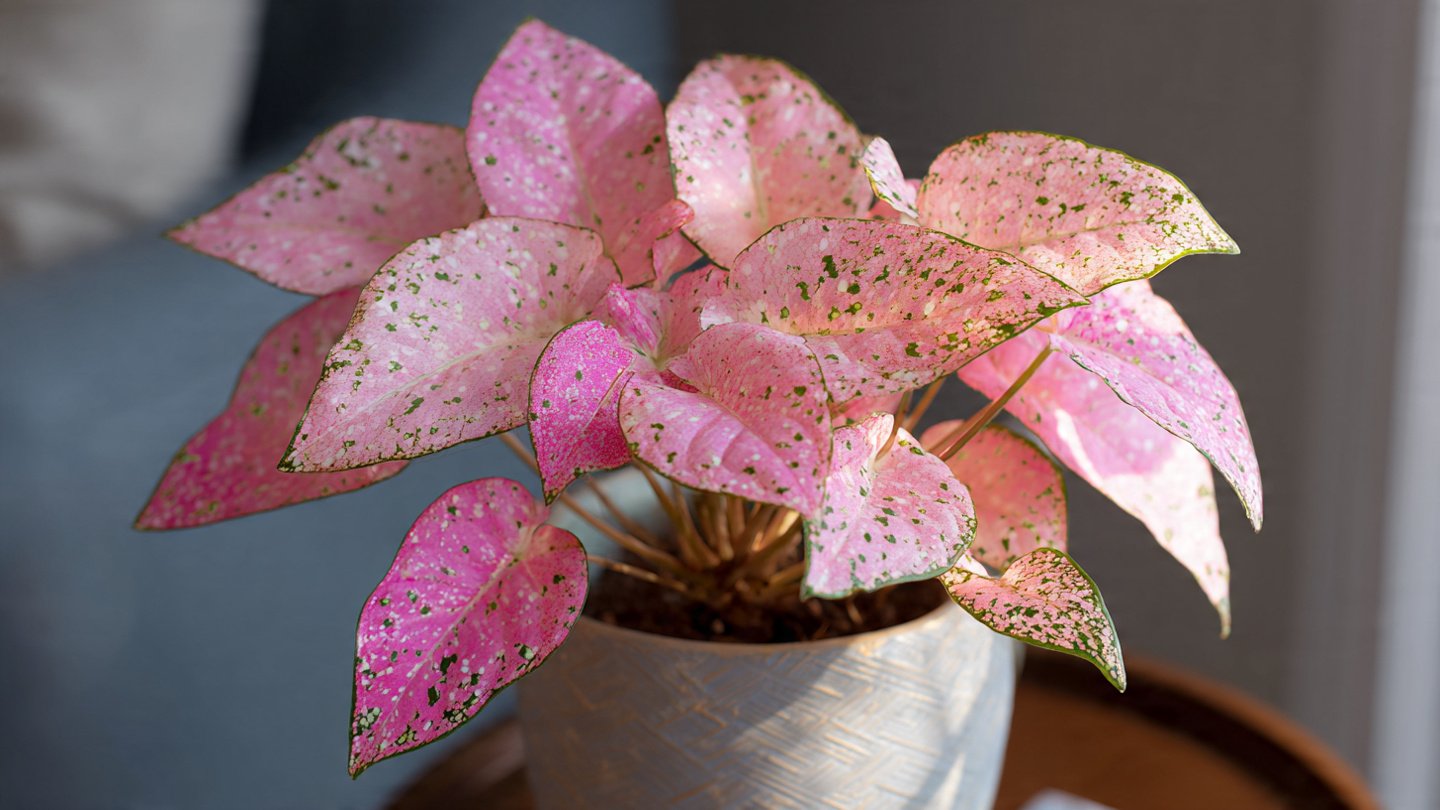
The Pink Polka Dot Plant, scientifically known as Hypoestes phyllostachya, is an eye-catching houseplant with vivid, speckled foliage. Its bright pink or white spots on deep green leaves make it a popular choice for indoor gardening enthusiasts. This article will guide you through all the essential aspects of growing and caring for a Pink Polka Dot Plant indoors, ensuring that your houseplant not only survives but thrives.
1. Understanding the Pink Polka Dot Plant
Before diving into care tips, it’s crucial to understand the unique characteristics of the Pink Polka Dot Plant. Native to Madagascar, this tropical perennial prefers warm and humid environments, similar to its native habitat. The plant can grow up to 12-18 inches tall and wide when allowed to thrive. The vibrant colors of its leaves make it a favorite among plant lovers, and with the right care, it can be a stunning focal point in your home.
2. Choosing the Right Location
Light Requirements
Light is one of the most critical factors in maintaining a healthy Pink Polka Dot Plant. Here are some tips for optimal placement:
-
Bright, Indirect Light: The Pink Polka Dot Plant thrives in bright, indirect sunlight. A north-facing window is ideally suited since it provides gentle light. If you place it in a south or west-facing window, ensure to filter the light with sheer curtains, as harsh direct sunlight can scorch the leaves.
-
Low Light Tolerance: While it generally prefers bright light, the Pink Polka Dot Plant can adapt to lower light conditions, although its vibrant color may diminish.

3. Selecting the Right Soil
The soil you choose can profoundly impact your plant’s growth and health. Here are some recommendations:
-
Well-Draining Soil: A lightweight potting mix is essential. Look for a mixture that promotes good drainage, such as a combination of standard potting soil blended with perlite or sand. This aids in preventing root rot, a common pitfall for houseplants.
-
pH Level: Aim for a slightly acidic to neutral soil pH (around 6.0 to 7.0) for optimal nutrient absorption.
4. Watering Your Pink Polka Dot Plant
Watering is key to a healthy Pink Polka Dot Plant. Here are some guidelines to follow:
-
Keep Soil Moist: The soil should be kept consistently moist but not waterlogged. Overwatering can lead to root rot, while underwatering can cause the leaves to wilt and lose their vibrant color.
-
Watering Schedule: Check the soil weekly. If the top inch of the soil feels dry, it’s time to water. Ensure excess water drains freely from the bottom of the pot.

-
Humidity Considerations: Pink Polka Dot Plants thrive in high humidity levels (around 50% or more). If your home is dry, consider using a humidity tray or a humidifier, especially during winter months.
5. Fertilizing for Optimal Growth
Feeding your Pink Polka Dot Plant is crucial for its growth, especially during the growing season from spring to early fall. Here are some tips on fertilization:
-
Balanced Fertilizer: Use a balanced, water-soluble fertilizer (like a 20-20-20 mix) diluted to half-strength. Feed your plant every four to six weeks during the active growing phase.
-
Avoid Over-fertilization: Too much fertilizer can lead to leaf burn. It’s better to err on the side of less rather than more.
6. Pruning and Maintenance
Regularly maintaining your Pink Polka Dot Plant can keep it looking its best. Here’s how:
-
Pruning: Trim back any leggy or overgrown stems to promote bushier growth. This also improves air circulation within the plant. Use clean, sharp scissors or pruning shears to make cuts just above a leaf node.
-
Checking for Pests: Regularly inspect the leaves for pests such as spider mites, aphids, or mealybugs. If you notice any, treat the plant with insecticidal soap or neem oil to eliminate these unwanted guests.

7. Repotting Your Plant
As the Pink Polka Dot Plant grows, it may require repotting. Here’s when and how to do it:
-
Signs of Repotting: If you notice roots growing out of the drainage holes or if the plant appears top-heavy, it’s time to repot.
-
Repotting Process: Choose a pot that is one size larger and has drainage holes. Remove the plant from its current pot, gently loosen any tight roots, and place it in fresh soil. Water thoroughly after repotting.
8. Dealing with Common Problems
While the Pink Polka Dot Plant is relatively easy to care for, a few common problems may arise. Here’s how to address them:
Yellowing Leaves
- Cause: Yellowing leaves may indicate overwatering or insufficient light.
- Solution: Adjust your watering schedule and improve light conditions by relocating the plant.
Wilting Leaves
- Cause: Wilting often results from underwatering or low humidity.
- Solution: Ensure consistent moisture and increase humidity levels.
Color Fading
- Cause: Lack of adequate light can cause the vibrant color to diminish.
- Solution: Move the plant to a brighter location, ensuring it still receives indirect light.
9. Propagating Your Pink Polka Dot Plant
Propagation can be a rewarding way to expand your collection or share plants with friends. Here’s how to do it:

-
Stem Cuttings: Use a clean pair of scissors to cut a healthy stem just below a node. Place the cutting in water or a moist potting mix until roots develop, typically within a couple of weeks.
-
Soil Propagation: If propagating in soil, make a small hole, place the cutting in it, and mist to maintain humidity.
10. Conclusion
Growing a Pink Polka Dot Plant indoors can be a delightful and fulfilling experience. By providing the right light, water, soil, and care, you can enjoy a vibrant, healthy plant that adds beauty to your home. Remember to check for pests, maintain humidity levels, and prune regularly for the best results. With a little effort and attention, your Pink Polka Dot Plant will thrive, brightening your indoor space with its stunning foliage.
With these tips, you’re well on your way to becoming a successful indoor gardener. Happy planting!