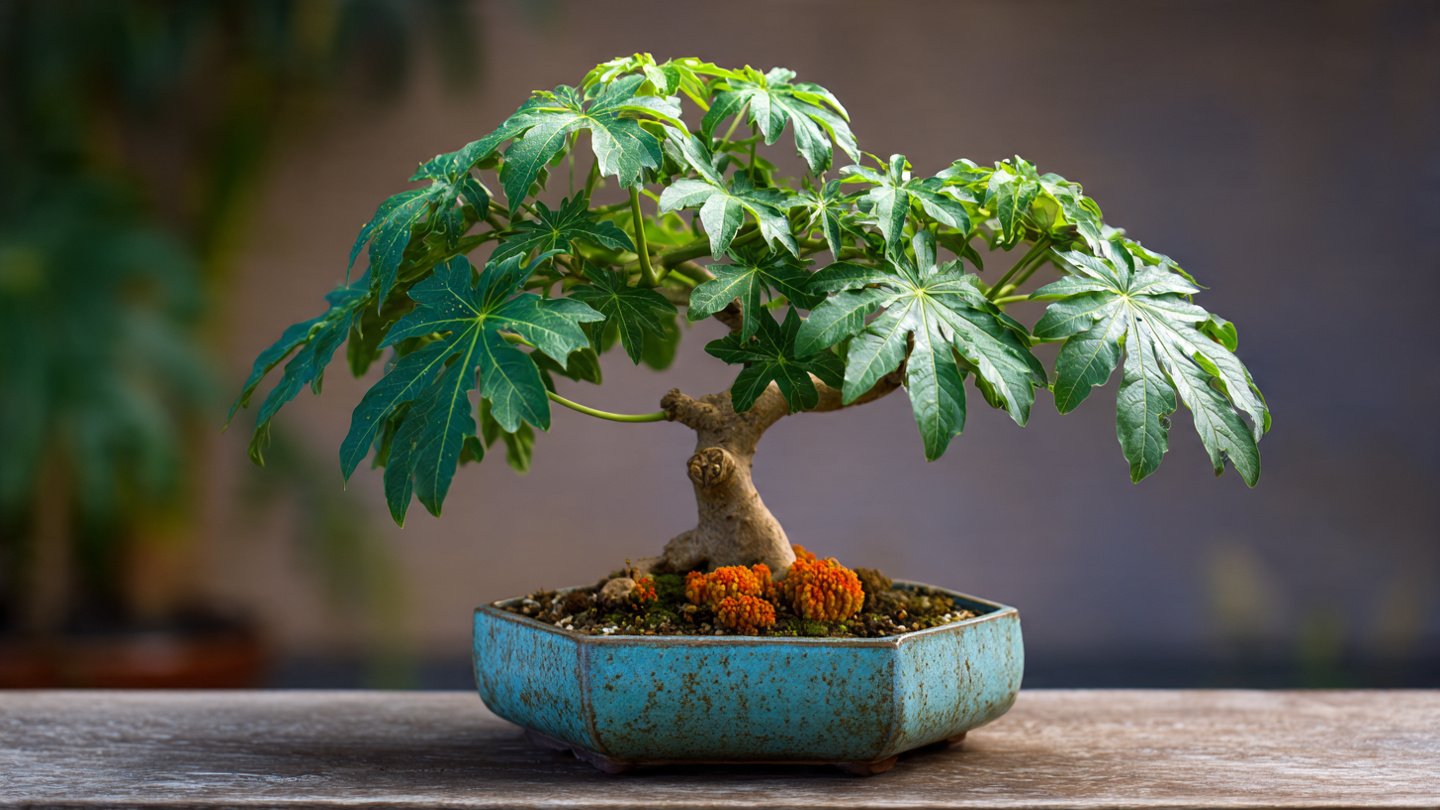
Papaya bonsai combines the tropical charm of papaya trees with the artistic allure of bonsai. These miniature trees not only bring beauty to your home but also the potential for sweet, delicious fruit. Whether you’re a seasoned bonsai enthusiast or a novice gardener, this guide will walk you through the steps to successfully grow and nurture your papaya bonsai.
Understanding Papaya and Bonsai
The Papaya Tree
Papaya (Carica papaya) is a fast-growing tropical tree known for its large, succulent fruits. In its natural habitat, it can grow up to 30 feet tall, but when cultivated as a bonsai, it remains small and manageable, typically reaching only 2-3 feet in height. Papayas are dioecious, meaning there are male and female plants; only female trees produce fruit.
What is Bonsai?
Bonsai is a horticultural art form that involves cultivating miniature trees in containers. The goal is to create the illusion of a mature tree in miniature, maintaining its shape and essence. This involves careful pruning, wiring, and maintenance.
Growing Conditions for Papaya Bonsai
Climate Requirements
Papayas thrive in warm, tropical climates. Ideally, temperatures should range from 70°F to 90°F. If you live in a cooler region, you can still grow papaya bonsai indoors, provided you maintain the right temperature and humidity levels.
Light Requirements

Papaya trees need full sunlight to grow healthily. A minimum of six hours of direct sunlight daily is essential. If you’re growing indoors, place your bonsai near a south-facing window. Supplementing with grow lights can also be beneficial.
Soil and Drainage
A well-draining, nutrient-rich soil is crucial for papaya bonsai. A mix of potting soil, sand, and compost works well. Ensure your pot has drainage holes to avoid water accumulation, which can lead to root rot.
Choosing the Right Variety
When selecting a papaya variety for bonsai cultivation, choose dwarf species such as the ‘Red Lady’ or ‘Sunrise’ papaya. These varieties are better suited for container growth and have a more compact structure.
Propagation Methods
Seeds
- Seed Selection: Choose high-quality seeds from healthy, ripe papayas. Wash the seeds to remove any pulp and allow them to dry for a few days.
- Planting: Sow the seeds in seedling trays filled with a well-draining mix. Plant about half an inch deep and water moderately.
- Germination: Place the trays in a warm area with lots of light. Seedlings typically sprout within 2-3 weeks.
Cuttings

Growing papaya from cuttings is another option, though it’s less common than seed propagation. Take a healthy cutting from an established plant, allow it to dry and callous for a few days, and then plant it in a pot with well-draining soil.
Transplanting Your Papaya Bonsai
Once your seedlings have developed a few sets of true leaves and are about 4-6 inches tall, it’s time to transplant them into a bonsai pot.
- Pot Selection: Choose a shallow bonsai pot with adequate drainage.
- Soil Preparation: Fill the pot with a mix of potting soil and sand for excellent drainage.
- Transplanting: Gently remove the seedling from its original container and place it in the new pot. Fill around the roots with soil and water thoroughly.
Shaping and Training Your Bonsai
Shaping your papaya bonsai involves techniques like pruning, wiring, and pinching.
Pruning
- Timing: Prune your bonsai during the growing season (spring to summer).
- Techniques: Remove lower leaves and branches to define the trunk and create a desirable silhouette. Always use clean, sharp scissors to avoid damaging the plant.

Wiring
- Wiring Techniques: Use thin aluminum or copper wire to shape branches. Wrap the wire around the branches gently, guiding them into the desired position.
- Timing: Start wiring when the tree is young and pliable. Remove the wire after a few months to prevent scarring.
Pinching
Pinching involves removing the tips of new growth to encourage bushier foliage. Do this every few weeks during the growing season for a fuller look.
Care and Maintenance
Watering
Papaya bonsai trees prefer consistently moist soil but avoid overwatering. Check the top inch of soil; if it’s dry, water thoroughly. Ensure proper drainage to prevent root rot.
Fertilizing
Feed your papaya bonsai with a balanced fertilizer every 4-6 weeks during the growing season. A high-nitrogen fertilizer can promote healthy leaf growth, while a balanced or phosphorus-rich fertilizer encourages flowering and fruiting.

Pest and Disease Control
Papaya bonsai can be susceptible to pests such as aphids, mealybugs, and spider mites. Regularly inspect your plant and treat infestations with insecticidal soap or natural remedies.
Winter Care
If you live in a cooler climate, protect your bonsai during winter. Move it indoors where temperatures are stable and provide adequate moisture and light.
Encouraging Fruit Production
For your papaya bonsai to bear fruit, it’s essential to nurture a female tree. Here’s how to ensure fruitful harvests:
- Select Female Plants: Identify female flowers, which have a swollen ovary at the base, while male flowers have long stems.
- Hand Pollination: If you have both male and female plants, you can facilitate pollination by transferring pollen from male flowers to female ones using a small brush or cotton swab.
Common Challenges
Slow Growth
If your papaya bonsai is growing slowly, check its sunlight, water, and nutrient levels. A lack of one of these elements can adversely affect growth.

Root Rot
Overwatering is the primary cause of root rot. Always ensure the soil has good drainage and allow the top inch of soil to dry out before watering again.
Leaf Yellowing
Yellowing leaves can indicate nutrient deficiencies or overwatering. Assess your watering schedule and consider supplementing with fertilizer.
Harvesting Your Papaya Fruits
Once your bonsai tree matures and produces fruit, it’s essential to know when to harvest. Fruits typically change from green to yellow when ripe. Gently twist or cut the fruit to avoid damaging the tree.
Conclusion
Growing a papaya bonsai is a rewarding endeavor that combines the joys of gardening with the artistic aspects of bonsai culture. With the right care, patience, and attention to detail, you can nurture a beautiful, dwarf papaya tree that not only enhances your space but also offers delicious fruits.
With this complete guide, you are now equipped to embark on your papaya bonsai journey. Embrace the challenges and joys of bonsai gardening, and witness the unique beauty of your papaya bonsai unfold over time. Happy gardening!