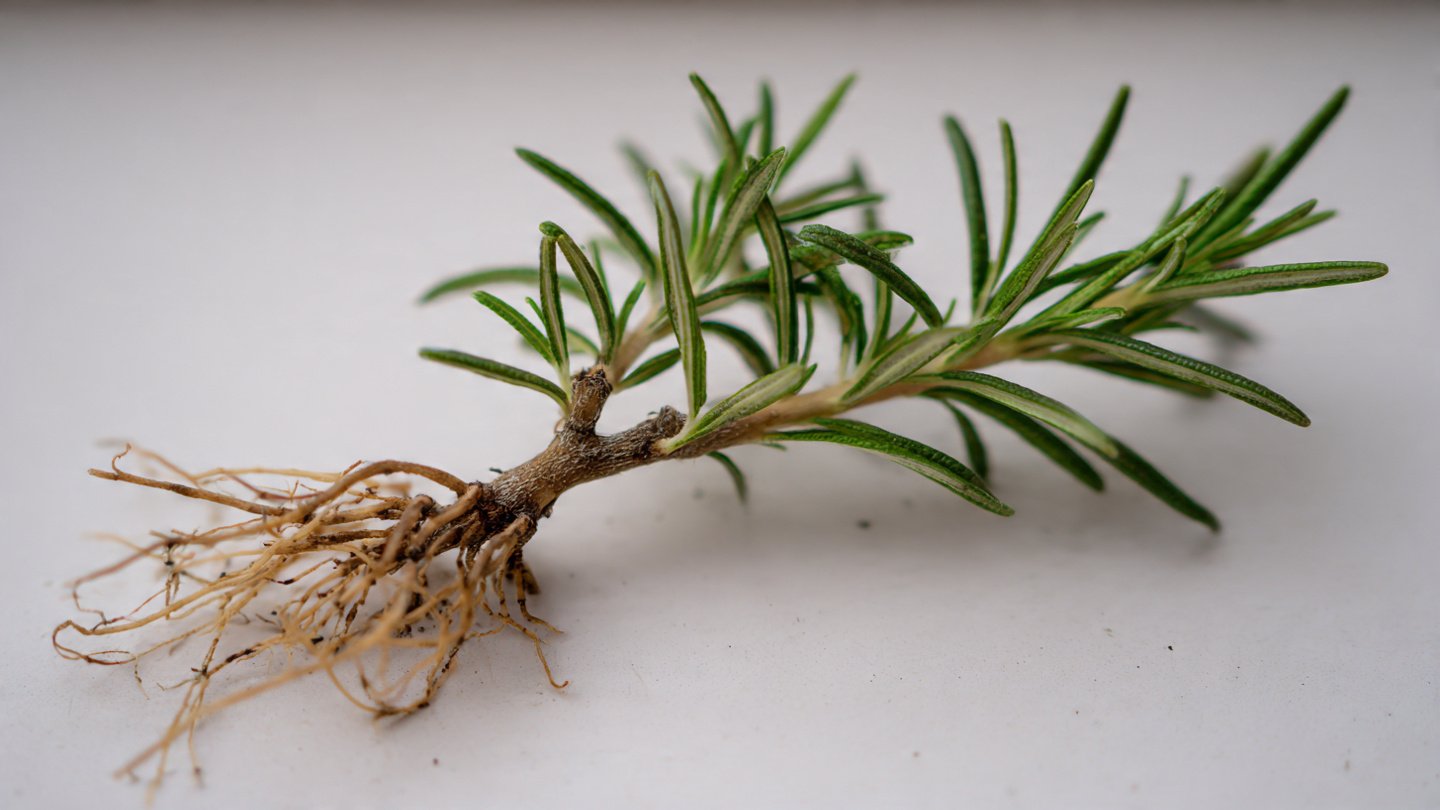
Rosemary (Rosmarinus officinalis) is a popular aromatic herb widely used in culinary dishes, medicinal remedies, and even as an ornamental plant. One of the best ways to propagate rosemary and ensure healthy growth is by rooting it from soft stem cuttings. This method is not only fairly simple but also an economical way to multiply your rosemary plants. In this article, we will explore in detail how to encourage rosemary plant rooting from soft stems, covering everything from selecting the right cutting, preparing the cutting, the rooting process, and tips for nurturing healthy new plants.
Why Propagate Rosemary from Soft Stem Cuttings?
Propagating rosemary from soft stem cuttings is preferred over propagation from hardwood cuttings or seeds for several reasons:
- Faster Rooting: Soft stem cuttings, also known as semi-hardwood or greenwood cuttings, tend to root more quickly than hardwood cuttings.
- Genetic Fidelity: Propagation by cuttings ensures the new plant has the same genetic characteristics as the parent, unlike seeds which may vary.
- Higher Success Rate: Soft stem cuttings generally have higher success rates compared to propagation from seeds.
- Cost-Effective: You can multiply plants without purchasing new ones; it’s a cost-effective way to grow your garden.
- Year-Round Propagation: Under controlled conditions, soft stem cuttings can be taken and rooted almost any time of year.
Selecting the Right Soft Stem Cutting
The success of rooting rosemary largely depends on selecting the right cutting. Follow these guidelines:
1. Choose Healthy Plants
Select a mature, healthy rosemary plant with no signs of disease or pest infestation to take cuttings from. Healthy plants produce stronger and healthier cuttings.

2. Timing is Key
The best time to take soft stem cuttings is in late spring or early summer when the plant is growing actively. At this time, the stems are flexible, green, and tender but slightly matured.
3. Identify Soft Stems
Look for shoots that are green and pliable but have started to harden just a little bit — these are the soft stems. Avoid woody old stems as they are hard to root.
4. Length of Cutting
Cuttings ideally should be around 3 to 6 inches (7.5 to 15 cm) long. This length provides sufficient nodes for root development without exhausting the cutting.
Preparing Rosemary Cuttings for Rooting
Proper preparation of the cuttings improves the rooting success dramatically. Here is how to prepare yours:
1. Use Clean, Sharp Tools
Use a clean, sharp pair of pruning shears or scissors to make a clean cut to avoid crushing the stem and introducing pathogens.
2. Make the Cut Just Below a Node

Nodes are points where leaves and roots can emerge. Cut just below a node to maximize rooting potential.
3. Remove Lower Leaves
Strip off the leaves from the bottom two-thirds of the cutting. This prevents leaf rot and encourages root formation from the bare stem area.
4. Optional: Use Rooting Hormone
Dipping the cut end in a rooting hormone powder or gel can stimulate root growth and increase the chances of success.
Rooting Medium and Environment
The rooting medium and environmental conditions are critical for rooting success.
1. Choose the Right Medium
Use a well-draining, sterile medium designed for rooting cuttings. Common choices include a mix of perlite and peat moss, coarse sand, or a specialized propagation mix.
2. Moisture Level
Keep the medium moist but not waterlogged. Overwatering can cause the cutting to rot, while dry conditions inhibit root growth.

3. Humidity and Temperature
Maintain high humidity around the cuttings to prevent them from drying out. A humidity dome, plastic bag, or misting system helps maintain moisture. Ideal temperature for rooting is between 65-75°F (18-24°C).
4. Light
Provide bright, indirect light. Direct sunlight can scorch the cutting before roots develop, but they still need ample light for photosynthesis.
Step-by-Step Guide to Root Rosemary Soft Stem Cuttings
To summarize the above information into action steps:
- Select: Choose healthy, soft stem rosemary cuttings about 3-6 inches long from a vigorous parent plant.
- Cut: Using sharp, sterilized scissors, cut just below a node.
- Prep: Remove lower leaves, leaving a few at the top for photosynthesis.
- Dip: Optional – dip cut end in rooting hormone.
- Plant: Insert the cutting into moist, well-draining rooting medium.
- Cover: Place under a humidity dome or cover with plastic to maintain moisture.
- Light: Place in a spot with bright, indirect light.
- Water: Keep the medium moist but avoid waterlogging.
- Wait: Roots typically form in 3-6 weeks.
- Transplant: Once roots are established and growth appears, transplant into pots or garden.

Caring for Rooted Cuttings
1. Gradual Acclimatization
After roots develop, gradually acclimate young plants to lower humidity by removing covers or domes over a week.
2. Watering
Water rosemary plants moderately as they prefer slightly dry soil. Water thoroughly when soil feels dry an inch below the surface.
3. Feeding
Use a mild, balanced liquid fertilizer every 4-6 weeks once established, but avoid over-fertilizing which can stunt growth.
4. Pruning
Regular pruning encourages bushier growth and prevents woody, leggy stems.
5. Light and Temperature

Rosemary thrives in full sun with good airflow. Keep plants in temperatures between 60-80°F (15-27°C).
Troubleshooting Common Issues
- Cuttings Fail to Root: Could be due to excessive moisture, poor cutting selection, or inadequate light.
- Rotting: Usually caused by too much water or fungal infections. Improve drainage and reduce watering.
- Lack of Growth: Could result from low light or nutrient deficiency.
- Pests: Watch for spider mites, aphids, and treat promptly with insecticidal soap.
Benefits of Growing Rosemary from Soft Stem Cuttings
- Uniformity: New plants are identical to parent plants, preserving desired traits.
- Rapid Expansion: Quickly increase your rosemary collection.
- Cost Savings: No need to purchase new plants.
- Personal Satisfaction: Propagation is rewarding and educational.
Conclusion
Encouraging rosemary rooting from soft stem cuttings is an effective way to propagate this valuable herb. By selecting the right cutting, preparing it properly, using a suitable rooting medium, and providing optimal environmental conditions, you can achieve healthy root development and strong new plants. Proper care after rooting ensures vigorous growth and longevity of your rosemary plants. Whether you are a seasoned gardener or a beginner, mastering rosemary propagation through soft stem cuttings will enhance your gardening experience and supply you with an abundance of aromatic rosemary for years to come. Happy gardening!