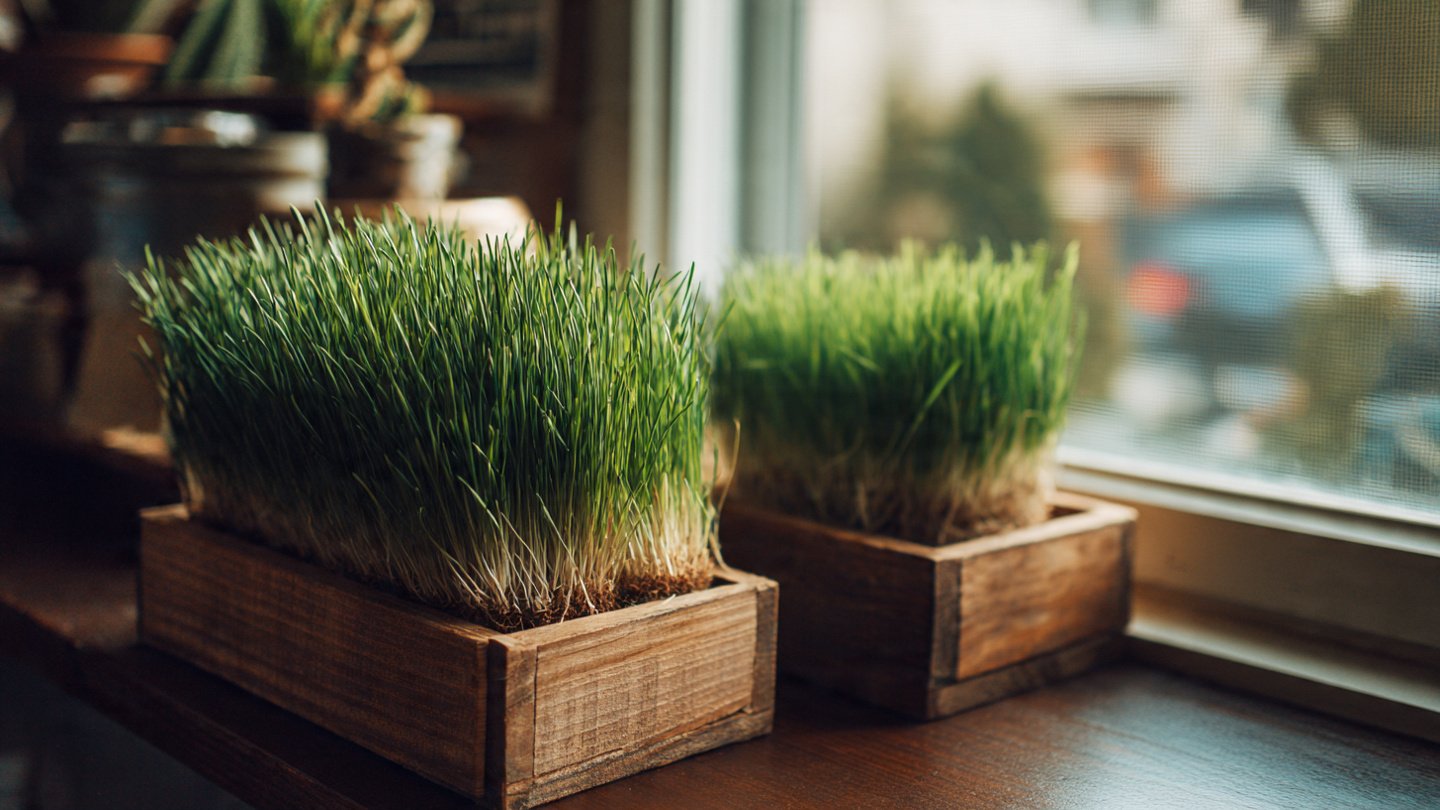
Wheatgrass has gained immense popularity in recent years due to its nutritional benefits and ease of cultivation. It’s rich in vitamins, minerals, and antioxidants, making it a superfood that many health enthusiasts swear by. For those who live in urban settings or climates where outdoor gardening isn’t feasible, growing wheatgrass indoors is an excellent solution. This article will explore the easy methods to efficiently grow wheatgrass indoors, focusing on the necessary materials, step-by-step instructions, and tips to ensure a successful and bountiful harvest.
What is Wheatgrass?
Wheatgrass is the young grass of the common wheat plant, Triticum aestivum. It is typically harvested when it is about 7-14 days old, at which point it contains high concentrations of vitamins A, C, E, and K, along with minerals such as calcium, magnesium, and iron. It is often consumed in the form of juice, powder, or even added to smoothies.
Why Grow Wheatgrass Indoors?
- Convenience: Growing wheatgrass indoors allows you to cultivate this nutrient powerhouse year-round, regardless of external weather conditions.
- Health Benefits: Freshly harvested wheatgrass can be used to make juice that’s full of nutrients, often sought after for detoxification and health improvement.
- Space Efficiency: Wheatgrass requires minimal space, making it ideal for apartment living or households with limited gardening areas.
- Aesthetic Appeal: Indoor wheatgrass can serve as a decorative element, adding greenery and life to your indoor environment.

Materials Needed
To get started, you will need the following materials:
- Wheatgrass Seeds: Organic seeds ensure that you are growing a healthy product free from chemicals.
- Growing Tray or Container: Shallow trays, about 1-2 inches deep, are ideal. You can use specialized wheatgrass trays or any shallow container with drainage.
- Soil: A light, well-draining soil mix is essential. A combination of potting soil and compost can work well.
- Water Spray Bottle: This is useful for misting the seeds and soil.
- Light Source: If natural light is insufficient, consider using grow lights.
- Plastic Cover or Dome: This helps maintain humidity during the germination period.
- Scissors: To harvest your wheatgrass once it’s grown.

Step-by-Step Instructions
1. Preparation of Seeds
Begin by preparing your wheatgrass seeds. Rinse about 1 cup of seeds in fresh water to remove any dust or debris. Once cleaned, soak the seeds in a bowl of water for 8-12 hours. This soaking process rehydrates the seeds and kickstarts the germination process.
2. Prepare the Growing Tray
While your seeds are soaking, prepare your growing tray:
- Fill the tray with the light soil mix until it’s about 1 inch from the top.
- Flatten the soil evenly using your hands or a small flat tool, making sure it is smooth without any lumps.

3. Sowing the Seeds
After soaking, drain the seeds and spread them evenly over the surface of the soil. Use approximately 1 cup of seeds for a standard tray. Ensure that the seeds are not overcrowded, leaving some space between them to allow for growth.
4. Watering the Seeds
Once the seeds are sown, mist the surface gently with water. Avoid over-saturating the soil, as this can lead to mold growth. If you want to cover the tray, place a plastic dome or wrap over it to maintain humidity, ensuring that the seeds remain moist but not soggy.
5. Germination
Place the tray in a warm, dark area to encourage germination. Ideal temperatures should range between 65°F to 75°F (18°C to 24°C). In 3-5 days, you should see the seeds sprouting. Once sprouts appear, remove the cover and move the tray to a well-lit area.
6. Providing Light
Wheatgrass requires about 12-14 hours of light daily. If you have adequate sunlight coming in through windows, place the tray there. However, if natural light is limited, invest in artificial grow lights. Position them a few inches above the grass, ensuring they provide ample light without overheating the plants.

7. Watering Routine
Continue to mist your wheatgrass daily to provide enough moisture. The soil should remain damp but not too wet. To prevent any fungal infestations, it’s crucial to ensure good air circulation around the plants by not overcrowding them.
8. Harvesting
Wheatgrass is typically ready to harvest when it reaches about 6-8 inches tall, usually after about 7-14 days of growth. Use scissors to cut the grass just above the soil line. You can then juice it, use it in smoothies, or even add it to salads.
Tips for Success
- Choose the Right Time: For best results, plant wheatgrass during the milder months or when the indoor environment is stable.
- Monitor Humidity: If your indoor air is dry, consider placing a small humidifier in the area or creating a humidity dome with a plastic cover.
- Fertilization Needs: While wheatgrass is nutrient-dense, it usually doesn’t require additional fertilizers if grown in nutrient-rich soil.
- Watch for Pests: Keep an eye out for common pests like aphids or spider mites. Using neem oil or insecticidal soap can help if you notice any infestations.
- Rotate Your Crops: For continuous growth, stagger your planting so that you have a fresh crop ready every week or two.

Troubleshooting Common Issues
- Mold Growth: If you see mold forming, it’s likely due to excessive moisture. Reduce watering and ensure proper air circulation.
- Leggy Growth: If your wheatgrass is tall and thin, it may not be getting enough light. Move it closer to a light source or adjust your grow lights.
- Slow Growth: Low temperatures or insufficient water can cause slow growth. Ensure both factors are optimal for faster development.
Conclusion
Growing wheatgrass indoors can be an incredibly rewarding endeavor, providing you with fresh, nutrient-packed greens right in the comfort of your home. With a few basic materials and adherence to the steps outlined in this guide, you can efficiently cultivate wheatgrass using an easy method. Not only will you reap the health benefits, but you’ll also enjoy the satisfaction of growing your own food. Whether you’re a seasoned gardener or a complete beginner, indoor wheatgrass offers a hassle-free way to support your health and well-being. Start your indoor garden today and experience the difference fresh wheatgrass can make in your diet!