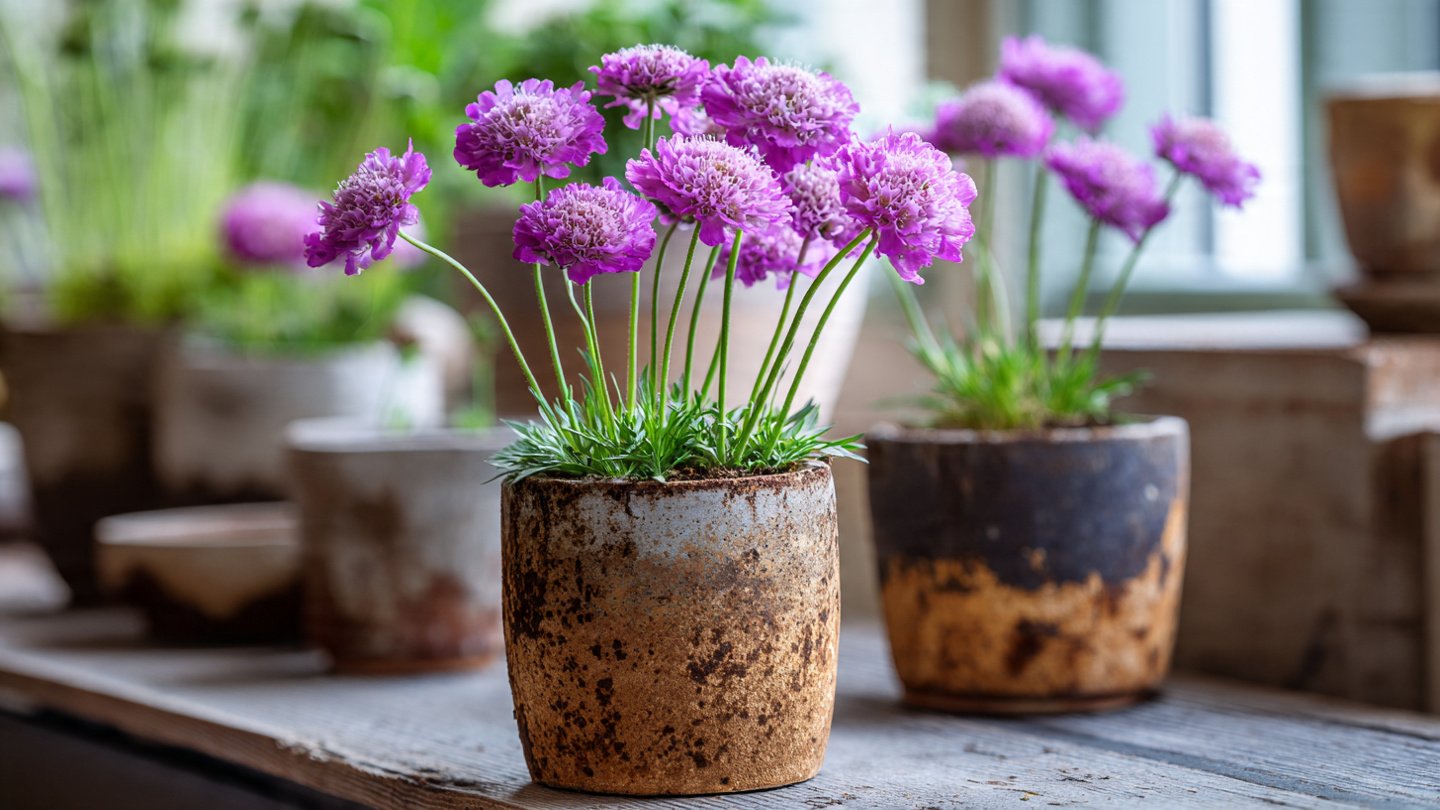
Scabiosa, commonly known as pincushion flower, is a charming perennial that adds a delightful touch to gardens and patios. These lovely plants boast an array of colorful blooms that not only attract pollinators like bees and butterflies but also bring warmth and beauty to any outdoor space. If you’re looking to grow Scabiosa in pots, you’ve come to the right place. Here, we’ll explore how to cultivate these stunning flowers effortlessly with a simple hack that guarantees success.
Understanding Scabiosa
Botany Basics
Scabiosa belongs to the Dipsacaceae family, which includes numerous species that are native to Europe, Asia, and Africa. The most commonly cultivated species, Scabiosa atropurpurea, is celebrated for its vibrant, pincushion-like flowers, which come in shades of purple, blue, and white. The plant typically grows 12 to 36 inches tall and blooms from late spring through fall.
Varieties of Scabiosa
- Scabiosa atropurpurea: This annual variety showcases a beautiful range of colors and is a favorite for cut flowers.
- Scabiosa columbaria: A perennial variety with delicate flowers, known for its long blooming season.
- Scabiosa caucasica: A robust perennial that features larger blooms and is excellent for garden borders.
Benefits of Growing Scabiosa in Pots
Space Efficiency
For urban dwellers or those with limited garden space, pots offer a perfect solution. Scabiosa can thrive in container gardens, allowing you to maximize your small spaces.

Mobility
Container gardening provides the flexibility to move plants according to sunlight and aesthetics. If the weather changes or if you want to change your patio design, you can easily relocate your Scabiosa pots.
Drainage Control
Growing Scabiosa in pots allows for better drainage control. This plant prefers well-draining soil, and pots can help prevent waterlogging, which can lead to root rot.
The Simple Hack: Self-Watering Pots
One of the most effective and simple hacks for growing Scabiosa in pots is using self-watering pots. These innovative containers consist of a reservoir that provides a steady supply of water to the plants’ roots, ensuring they remain hydrated even during hot, dry spells.

Advantages of Self-Watering Pots
- Consistent Moisture: They help maintain an even moisture level, which is crucial for Scabiosa, particularly during their active growing season.
- Less Frequent Watering: You won’t have to water daily, saving you time and effort, especially during scorching summer months.
- Root Health: Consistent moisture levels can lead to healthier roots, as the plants won’t suffer from the stress of drying out between waterings.
How to Grow Scabiosa in Pots Using Self-Watering Containers
Step 1: Choosing the Right Pot
When selecting a self-watering pot, consider the following:
- Size: Choose a pot that is at least 12 inches in diameter. Scabiosa has a deep root system, and a larger pot will accommodate this properly.
- Material: Look for pots made from durable materials like plastic or fiberglass. These materials retain moisture better than clay.
Step 2: Preparing the Pot
- Fill the Reservoir: Self-watering pots typically come with a reservoir at the base. Before planting, fill this reservoir with water so that the soil can draw moisture as needed.
- Add Soil: Use a lightweight, well-draining potting mix. You can also add perlite or sand to improve drainage. Fill the pot up to the indicated soil line, leaving enough space for planting.
Step 3: Planting Scabiosa
- Sowing Seeds or Transplanting:
- If starting from seeds, sow them indoors about 6 to 8 weeks before the last frost. After they’ve sprouted, they can be transplanted into the self-watering pot once they’re strong enough.
- If using nursery plants, gently remove them from their containers and loosen any tightly bound roots before transplanting them into your pot.
- Planting Depth: Make sure to plant Scabiosa at the same depth as it was in its original container. Firmly press the soil around the plant to eliminate air pockets.
Step 4: Watering and Fertilization
While the self-watering system provides consistent moisture, it’s still important to monitor for drying out, especially during hot spells.
- Watering: Check the reservoir regularly; refill it as needed. During intense heat, you may still need to water the top of the soil to ensure it stays moist.
- Fertilization: Fertilize Scabiosa every 4 to 6 weeks using a balanced, water-soluble fertilizer for optimum growth. This ensures the plant receives essential nutrients throughout its blooming period.
Step 5: Sunlight and Temperature
Scabiosa thrives in full sun to partial shade. Ideally, place your pot in a location that receives at least 6 hours of direct sunlight each day.

- Optimal Temperature: Scabiosa prefers moderate temperatures, ideally between 65°F to 75°F. Be mindful of frost, especially if you’re growing Scabiosa in an area with fluctuating temperatures.
Step 6: Pruning and Deadheading
To encourage continued blooming, deadhead the flowers by removing spent blooms. This process redirects energy to the production of new flowers and helps maintain a neat appearance.
Step 7: Pest and Disease Management
Though Scabiosa is relatively resistant to pests, keep an eye out for aphids and slugs.
- Natural Deterrents: Use insecticidal soap or neem oil sprays for aphids. For slugs, simply handpick them or use organic slug bait.
- Crown Rot: This fungal issue can occur if the soil is too wet. Ensure good drainage and monitor watering practices to avoid this problem.
Conclusion
Growing Scabiosa in pots can be a rewarding gardening experience, especially when utilizing self-watering pots. This simple hack not only aids in maintaining consistent moisture levels but also reduces the workload associated with care. By following these steps—choosing the proper pot, planting correctly, and maintaining optimal conditions—you can enjoy a vibrant display of Scabiosa blooms right on your patio or balcony.

With the right care, these perennial beauties will reward you with stunning flowers, drawing in pollinators and brightening your outdoor spaces for years to come. Whether you’re a novice gardener or a seasoned pro, Scabiosa is a fantastic choice for container gardening that brings color and life into your home. Embrace this simple hack and watch your Scabiosa flourish!
By integrating this practical guide and the innovative self-watering pot hack, you can easily and effectively grow Scabiosa in pots, ensuring stunning results without excessive effort. Enjoy your gardening journey!
