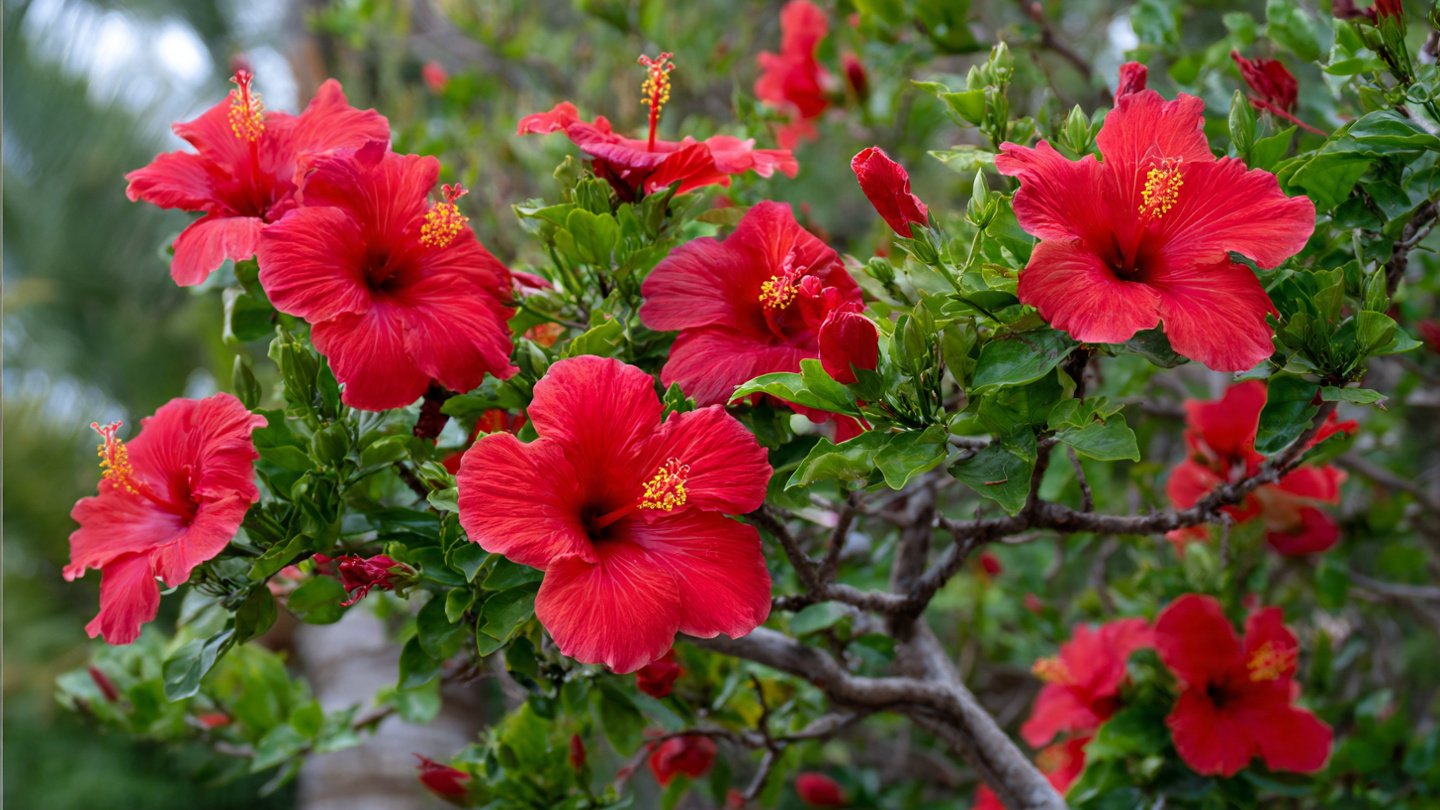
Hibiscus is renowned for its striking blossoms and vibrant colors, making it a favorite among garden enthusiasts. Although often grown as shrubs, these stunning plants can also be trained into beautiful garden trees. This article will guide you through the process of growing hibiscus as a garden tree, ensuring you achieve the best blooms effortlessly.
Why Choose Hibiscus?
Hibiscus flowers come in various colors and sizes, providing visual appeal throughout the growing season. Here are some reasons why you should consider adding hibiscus to your garden:
- Variety: There are over hundreds of hibiscus species, each offering unique colors and flower shapes.
- Adaptability: Hibiscus can thrive in various climates, making them suitable for diverse geographical locations.
- Low Maintenance: Once established, hibiscus plants require minimal care and can tolerate drought conditions better than many other garden plants.
- Attracts Pollinators: Hibiscus blooms attract bees, butterflies, and hummingbirds, promoting biodiversity in your garden.
Understanding the Basics
Before diving into the specifics of growing hibiscus as a tree, it’s essential to know the flower’s requirements:

1. Climate Preference
Hibiscus plants prefer warm climates, typically thriving in USDA hardiness zones 5-10. In colder regions, consider growing tropical varieties in pots that can be moved indoors during harsh winters.
2. Soil Requirements
Hibiscus prefers well-draining soil rich in organic matter. A pH level between 6.0 and 6.8 is ideal for optimal growth. If your garden soil is heavy clay or sandy, consider amending it with compost or purchasing a premixed potting mix.
3. Light Needs
Hibiscus thrives in full sun, requiring at least 6 hours of sunlight daily. Ensure your planting location provides adequate sunlight to encourage healthy growth and prolific blooming.

Steps to Grow Hibiscus as a Garden Tree
Growing hibiscus as a garden tree involves several key steps, including selecting the right variety, preparing the soil, planting, training, and maintaining the tree.
Step 1: Choosing the Right Variety
Select a hibiscus variety that is suitable for your climate and aligns with your aesthetic preferences. Some popular options for tree form include:
- Hibiscus rosa-sinensis: Known for its large, vibrant flowers, this variety can be trained into a striking small tree.
- Hibiscus syriacus (Rose of Sharon): It can reach up to 10 feet tall and offers a more shrub-like appearance.
- Hibiscus mutabilis (Confederate rose): This variety features unique blooms that change color as they mature.
Step 2: Preparing the Soil
Before planting, prepare your garden bed:

- Clear the Area: Remove weeds, debris, and any old plant roots from the area.
- Soil Amendment: Mix compost or well-rotted manure into the soil to improve drainage and fertility.
- Testing pH: Conduct a soil test to check pH levels. Amend the soil with lime if it is too acidic or sulfur if it’s too alkaline.
Step 3: Planting Your Hibiscus
Once your soil is prepared, it’s time to plant your hibiscus:
- Digging the Hole: Create a hole twice as wide and as deep as the root ball of your hibiscus plant.
- Positioning the Plant: Remove the plant from its container and gently loosen the root ball. Place it in the center of the hole, ensuring that the top of the root ball is level with the surrounding soil.
- Backfilling: Fill the hole with soil, firming it gently to remove air pockets. Water the plant thoroughly to help settle the soil.
Step 4: Training the Hibiscus into Tree Form
The transformation of your hibiscus into a tree can begin as it establishes itself:
- Select a Central Leader: Identify a sturdy stem that will serve as the tree trunk. This stem should be healthy and straight.
- Remove Lower Branches: As the plant grows, prune away lower branches to promote vertical growth and establish a single trunk. Conduct this process during the early growing season to encourage healthy development.
- Pinching Back: Regularly pinch back the tips of any new growth on the upper branches to encourage bushier growth and develop a fuller canopy.
- Supporting the Tree: If your hibiscus is young or leggy, consider staking the plant to support its growth. Use a soft tie to prevent damage to the stem.
Step 5: Watering and Fertilization
Proper watering and feeding are crucial for thriving blooms:

- Watering: Hibiscus prefers consistent moisture. Water your plant deeply at least once a week, more frequently during hot weather. Avoid allowing the roots to become soggy.
- Fertilization: Use a balanced fertilizer every 4-6 weeks during the growing season. A fertilizer high in potassium can help promote blooming.
Step 6: Pruning and Maintenance
Maintaining your hibiscus garden tree will ensure its health and beauty:
- Seasonal Pruning: In late winter or early spring, prune dead or damaged branches and any excessive growth. This promotes a healthy structure and encourages blooming.
- Watch for Pests and Diseases: Common pests include aphids and mealybugs. Monitor your plant regularly and treat infestations promptly using insecticidal soap or neem oil.
- Mulching: Apply a layer of mulch around the base to retain moisture, suppress weeds, and regulate soil temperature.
Seasonal Care Tips
Spring
- Fertilize with a balanced product.
- Prune to shape the tree if necessary.
Summer
- Water consistently, especially during heatwaves.
- Regularly check for pests and treat as needed.
Fall
- Continue watering until the first frost.
- Reduce fertilization as plants enter dormancy.
Winter
- In colder areas, consider bringing potted hibiscus indoors.
- Protect outdoor trees with mulch and, if necessary, wrapping to prevent frost damage.
Troubleshooting Common Issues
- Lack of Blooms:
If your hibiscus is not blooming well, ensure that it’s receiving enough sunlight, adequate watering, and proper fertilization. - Yellowing Leaves:
Yellow leaves can indicate overwatering or nutrient deficiencies. Check the soil moisture, and consider adjusting your fertilization routine. - Wilting:
Wilting may result from underwatering. Check soil moisture levels and adjust your watering schedule accordingly.
Conclusion
Growing hibiscus as a garden tree can significantly enhance the beauty of your outdoor space. With proper care, attention to detail, and a few simple techniques, you can cultivate a magnificent garden tree adorned with easily recognizable, vibrant blooms.
By selecting suitable varieties, preparing the soil meticulously, and providing ongoing maintenance, you will ensure that your hibiscus tree thrives for years to come. Embrace the joy and rewards of nurturing these magnificent plants and enjoy the splendid display of color they bring to your garden. Happy gardening!
