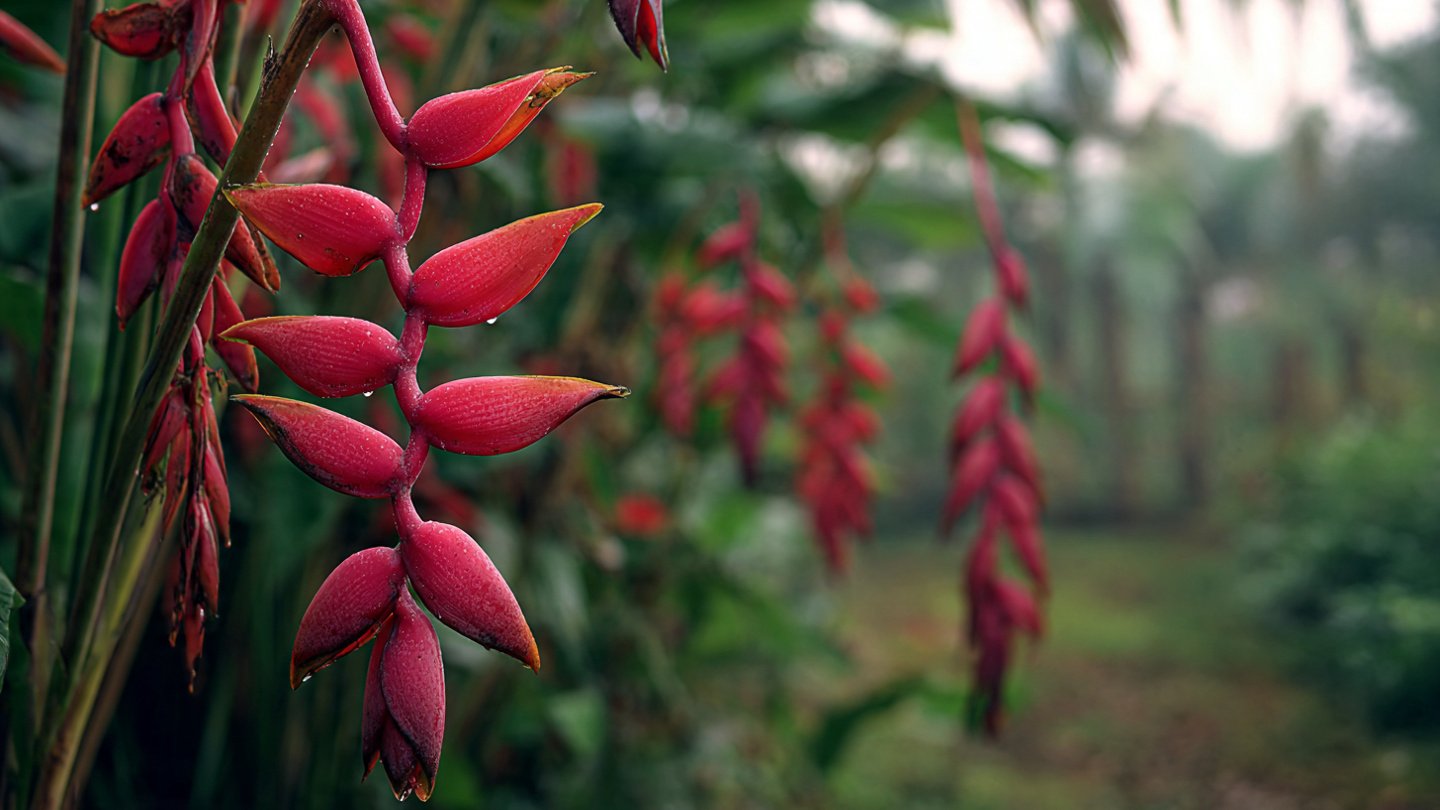
Heliconia, often referred to as the lobster-claw or wild plantain, is a stunning perennial plant native to tropical regions. With its vibrant, sword-like leaves and exotic, colorful flowers, Heliconia adds a remarkable touch to any garden. Growing Heliconia can be straightforward, especially in tropical climates. In this article, we’ll explore simple, effective strategies for cultivating this beautiful plant, ensuring flourishing growth and bright blooms.
Understanding Heliconia
Before diving into the cultivation process, it’s essential to understand what Heliconia is and what it needs to thrive. This tropical plant generally grows in clumps and can reach heights of 3 to 15 feet, depending on the species. Heliconia flowers are unique; they appear in a range of colors, including red, orange, yellow, and pink, making them a popular choice in floral arrangements and landscaping.
The Ideal Growing Conditions for Heliconia
Heliconia is best suited for tropical climates, where conditions tend to be warm and humid. However, with the right care, it can also thrive in subtropical areas. Here are the essential growing conditions for Heliconia:
-
Temperature: Heliconia prefers temperatures between 60°F and 90°F (15°C to 32°C). This is typically not an issue in tropical regions.
-
Light: While some species can tolerate partial shade, Heliconia generally prefers full sun for at least six hours a day.
-
Soil: The ideal soil is rich, well-draining, and slightly acidic to neutral (pH 5.5 to 7.0). Adding organic matter can enhance the soil quality.
-
Water: Heliconia requires consistent moisture but does not do well with waterlogged roots. The goal is to maintain evenly moist soil without overwatering.
-
Humidity: Heliconia thrives in high humidity, making tropical regions an excellent fit.

Simple Hacks for Successful Growth
While Heliconia is relatively easy to grow, there are several hacks to maximize its potential and ensure robust growth. Here are some expert tips and tricks for growing Heliconia successfully in tropical regions:
1. Choose the Right Species
Not all Heliconia species are created equal, especially in terms of climate adaptability and size. Some popular species include:
-
Heliconia rostrata (Lobster Claw): Known for its vibrant red and yellow flowers, this species is ideal for attracting hummingbirds.
-
Heliconia wagneriana: This species has broad leaves and unique, pillar-like flower bracts.
-
Heliconia psittacorum: Smaller and more compact, this variety is perfect for limited spaces.
Choosing a species that suits your specific conditions, including space, can reduce the likelihood of failure.
2. Prepare the Soil
Soil preparation is vital for Heliconia growth. Here’s how to prepare your soil effectively:

-
Test pH Levels: Use a soil testing kit to ensure your soil falls within the ideal pH range of 5.5 to 7.0.
-
Enrich the Soil: Mix compost, well-rotted manure, or organic fertilizers into the planting area to improve nutrient content. A balanced fertilizer (10-10-10) used at planting can give new plants the initial boost they need.
-
Ensure Drainage: If your garden has heavy clay soil, consider creating raised beds to improve drainage.
3. Planting Techniques
When planting Heliconia, follow these steps:
-
Spacing: Space plants 3 to 4 feet apart to allow for growth and airflow. This is especially important for preventing diseases and pests.
-
Depth: Plant the rhizomes about 3 to 4 inches deep. Ensure that the eyes (buds) face upward when planting.
-
Timing: The best time to plant Heliconia is during the rainy season or just before, as this ensures adequate moisture.
4. Watering Wisely
Watering Heliconia is a balancing act. Here are some key points:

-
Consistent Moisture: Water the plants regularly, especially during dry spells. The soil should remain consistently moist but not soggy.
-
Morning Watering: Water in the morning to reduce evaporation and fungal growth at night. This helps your plants absorb the moisture effectively.
-
Mulching: Apply a layer of organic mulch (like straw or wood chips) around the base of the plants. This retains moisture, reduces weeds, and improves soil structure.
5. Fertilization
Feeding your Heliconia is crucial for robust growth and blooming:
-
Initial Fertilization: Use a balanced fertilizer at the time of planting and then every 6-8 weeks during the growing season. Look for fertilizers that are high in phosphorus (the middle number on the fertilizer package) to encourage blooming.
-
Organic Options: You can also use fish emulsion or seaweed extract, which provide micronutrients beneficial for flowering plants.
6. Pruning and Maintenance
Regular maintenance will promote healthier plants:

-
Remove Dead Leaves: Cut away any yellow or dead leaves to improve air circulation and reduce the risk of disease.
-
Deadheading: After flowering, remove spent blooms to encourage further blooming and keep the plant looking tidy.
-
Control Growth: Heliconia can be invasive in some cases. Regularly check and control any overgrowth.
7. Pest Management
While Heliconia is relatively pest-resistant, it’s still essential to be vigilant:
-
Common Pests: Watch out for aphids, snails, slugs, and mealybugs. Regularly inspect your plants and treat infestations with insecticidal soap or neem oil.
-
Beneficial Insects: Encourage beneficial insects such as ladybugs and lacewings, which can help control pest populations naturally.
8. Encourage Pollinators
Heliconia flowers attract various pollinators, including hummingbirds and bees:
-
Create a Pollinator-Friendly Garden: Plant other flowering plants nearby to create a habitat that attracts beneficial insects and birds.
-
Avoid Pesticides: Minimize pesticide use to keep your garden friendly for pollinators.

9. Propagation Strategies
If you wish to propagate your Heliconia plants, you can do so in several ways:
-
Division: The most common method of propagation is dividing the rhizomes. This is typically done every few years when the plant grows too large for its space.
-
Seeds: Heliconia can also be grown from seeds, but this is generally slower and less reliable than division.
Conclusion
Growing Heliconia can be a rewarding endeavor in tropical regions. With the right conditions, care, and simple hacks, anyone can cultivate this stunning plant in their garden. By following these tips, you’ll create a beautiful display of vibrant colors that will attract pollinators and become a stunning focal point in your landscape.
By focusing on proper soil preparation, consistent watering, and pest management, you can easily succeed in growing Heliconia. Whether you are an experienced gardener or a beginner, these strategies will pave the way for a flourishing Heliconia garden that brightens your outdoor space for years to come. Happy gardening!