Introduction
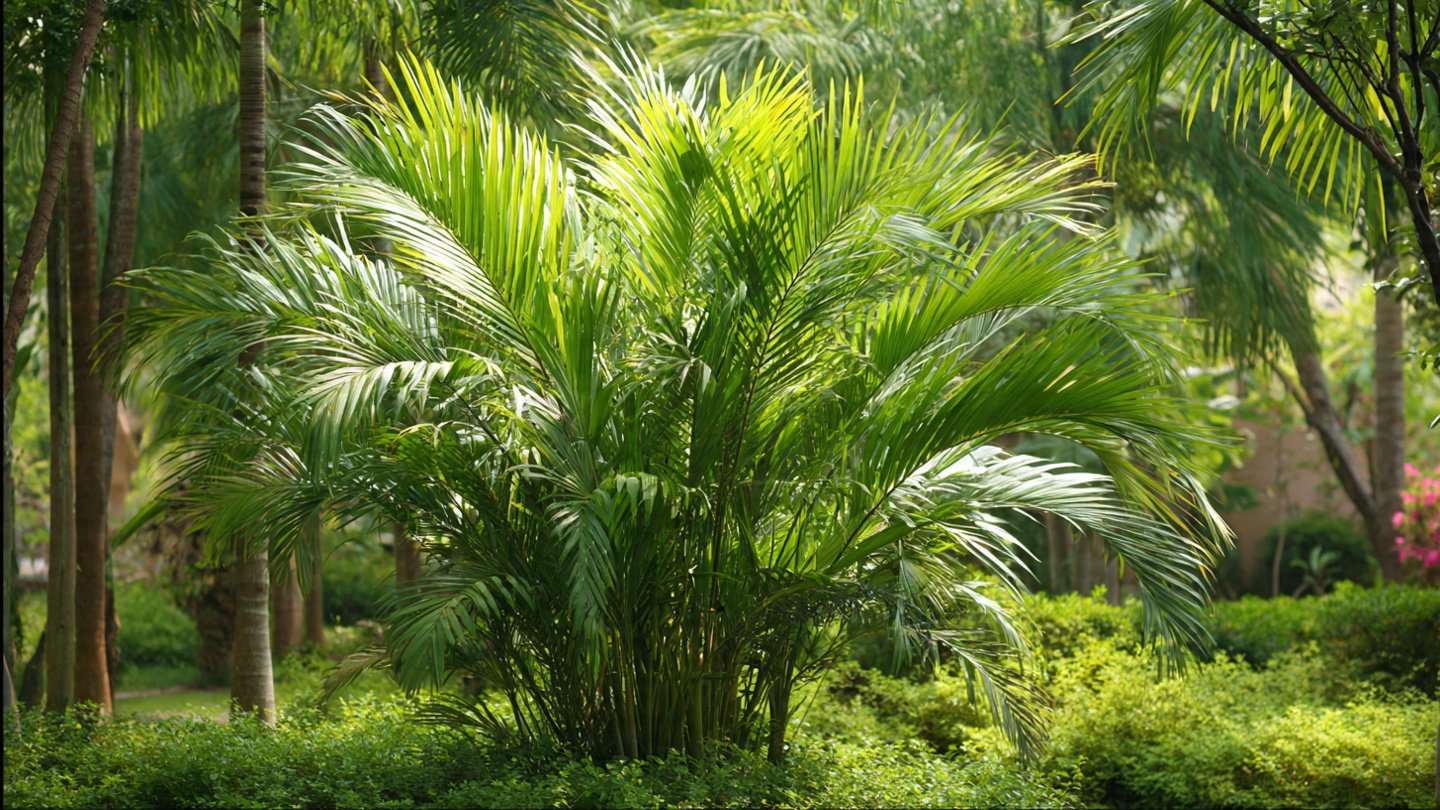
The Kentia palm (Howea forsteriana) is a timeless choice for home and garden decor, celebrated for its graceful fronds and sophisticated appearance. Native to Lord Howe Island in Australia, this palm has become a favorite among interior designers and gardeners alike. Whether you want to create an indoor oasis or enhance your garden, cultivating a Kentia palm will bring a touch of elegance to your space. This article provides comprehensive guidance on cultivating this stunning palm, covering everything from potting to maintenance, and addressing some frequently asked questions.
Understanding Kentia Palm
Kentia palms are slow-growing and can reach heights of up to 10 feet indoors and even taller in optimal outdoor conditions. Their arching fronds create a lush, tropical feel, making them perfect for styling contemporary and classic gardens alike. Here are a few key characteristics:
- Growth Habit: Slow-growing and upright with a single trunk.
- Foliage: Dark green fronds that can grow up to 4 feet long.
- Light Requirements: Prefers filtered light but is adaptable to low light conditions.
- Water Needs: Moderate; allows for slight drying between waterings.
Choosing the Right Location
Indoor vs. Outdoor
Before planting, consider whether you want to grow your Kentia palm indoors or outdoors.
- Indoor Growing: They thrive in bright, indirect sunlight. A spot near a window where they receive filtered light is ideal.
- Outdoor Growing: Choose a partially shaded location in your garden. If you’re in a warm climate (USDA Zones 9-11), these palms can flourish in the landscape.
Soil Conditions
Kentia palms prefer well-draining soil. A mix that includes potting soil, peat moss, and sand is excellent for drainage and aeration. If planting outdoors, ensure the ground isn’t too compacted.

Planting Your Kentia Palm
Steps for Planting
- Select a Container: If planting indoors, choose a pot that’s slightly larger than the root ball but has drainage holes.
- Prepare the Soil Mix: Combine potting soil, peat moss, and sand in equal parts for optimal drainage.
- Planting the Palm: Place the Kentia palm in the center of the pot, ensuring that the top of the root ball is level with the soil. Fill in around the sides and water thoroughly.
- Outdoor Planting: Dig a hole twice as wide as the root ball and plant at the same depth as it was in the pot. Backfill with the removed soil and water well.
Initial Care
After planting, keep the Kentia palm in its chosen spot and water regularly. Allow the soil to dry slightly between waterings, but do not let it dry out completely.
Caring for Your Kentia Palm
Watering
Kentia palms prefer to be slightly dry between waterings. Water them thoroughly but avoid soggy soil, which can lead to root rot. In general, you can water:
- Indoor Kentia Palms: Every 7-10 days, depending on your home’s humidity.
- Outdoor Kentia Palms: Once a week, adjusting based on rainfall and temperature.
Fertilizing
Feed your Kentia palm with a balanced, slow-release fertilizer every 4-6 weeks during the growing season (spring and summer). In fall and winter, reduce feeding to once every 2-3 months.
Pruning
Pruning is essential for maintaining a healthy Kentia palm. Remove yellow or brown fronds at the base to encourage new growth. Typically, pruning should occur in late winter or early spring when the palm is reputedly emerging from dormancy.

Pest Management
Kentia palms are relatively resistant to pests, but they can occasionally suffer from spider mites or scale insects. Inspect regularly; if you notice any pests:
- Spider Mites: Wipe leaves with a damp cloth or use insecticidal soap.
- Scale Insects: Use a cotton swab to apply rubbing alcohol to affected areas.
Seasonal Care
Winter Care
If you live in a colder climate and have outdoor Kentia palms, consider bringing them indoors when temperatures drop below 50°F (10°C). Indoors, continue to provide indirect light and consistent watering.
Summer Care
During the summer, this palm thrives outdoors. Ensure it receives adequate water, especially in hot and dry weather. If the palm appears to be stressed, check for pests and soil moisture.
Styling with Kentia Palms
The elegance of the Kentia palm makes it a stunning choice for various landscaping and interior design styles. Here are some ideas:
- Indoor Décor: Place the palm in a decorative pot in a bright corner of your living room or office. It can serve as a focal point or complement other houseplants.
- Outdoor Landscaping: Use Kentia palms as part of a tropical garden arrangement, or plant them alongside other palms and flowering plants for a lush effect.
- Patio Decor: Position several Kentia palms around your outdoor seating area for an inviting atmosphere.
- Entryway Statement: Placing a large Kentia palm in the foyer or entryway can create an impressive first impression.
Common Problems and Solutions
Yellowing Leaves
If your Kentia palm’s leaves are turning yellow, it may be a sign of overwatering. Ensure the pot has proper drainage and adjust your watering schedule.
Browning Tips
Browning tips can indicate underwatering or low humidity. Increase humidity around the palm by misting or using a humidifier if located indoors.
FAQs
1. Can Kentia palms be grown in low light?
Yes, Kentia palms are adaptable and can thrive in low-light conditions, making them perfect for shaded areas of your garden or dimly lit rooms.
2. How quickly do Kentia palms grow?
Kentia palms are slow growers, typically growing about 2-4 inches per year under optimal conditions.
3. Are Kentia palms safe for pets?
Yes, Kentia palms are considered non-toxic to both cats and dogs.
4. How can I propagate my Kentia palm?
Kentia palms can be propagated by seed. However, seed propagation is slow and requires patience. Another method is to divide the offsets from larger Kentia palms in spring.
5. Do Kentia palms have any special temperature requirements?
Kentia palms prefer temperatures between 70°F and 90°F (21°C – 32°C) during the day, with cooler temperatures at night. They do not thrive well in frost.
6. How often should I repot my Kentia palm?
Repot your Kentia palm every 2-3 years, or when you notice it becoming root-bound. Choose a pot that’s one size larger to allow for growth.
7. What are the signs of root rot in Kentia palms?
Signs include yellowing leaves, wilting, or a sour smell from the soil. If you suspect root rot, check the roots for soft, discolored areas and trim away affected roots.
Conclusion
Cultivating a Kentia palm not only enhances the elegance of your garden decor but also brings a piece of tropical paradise into your life. With proper care and attention, this palm will thrive and offer beauty for years to come. By considering factors such as location, soil type, watering, and seasonal adjustments, you can ensure that your Kentia palm remains a stunning focal point in your home or garden. Embrace the grace of the Kentia palm and elevate your gardening aesthetics today!