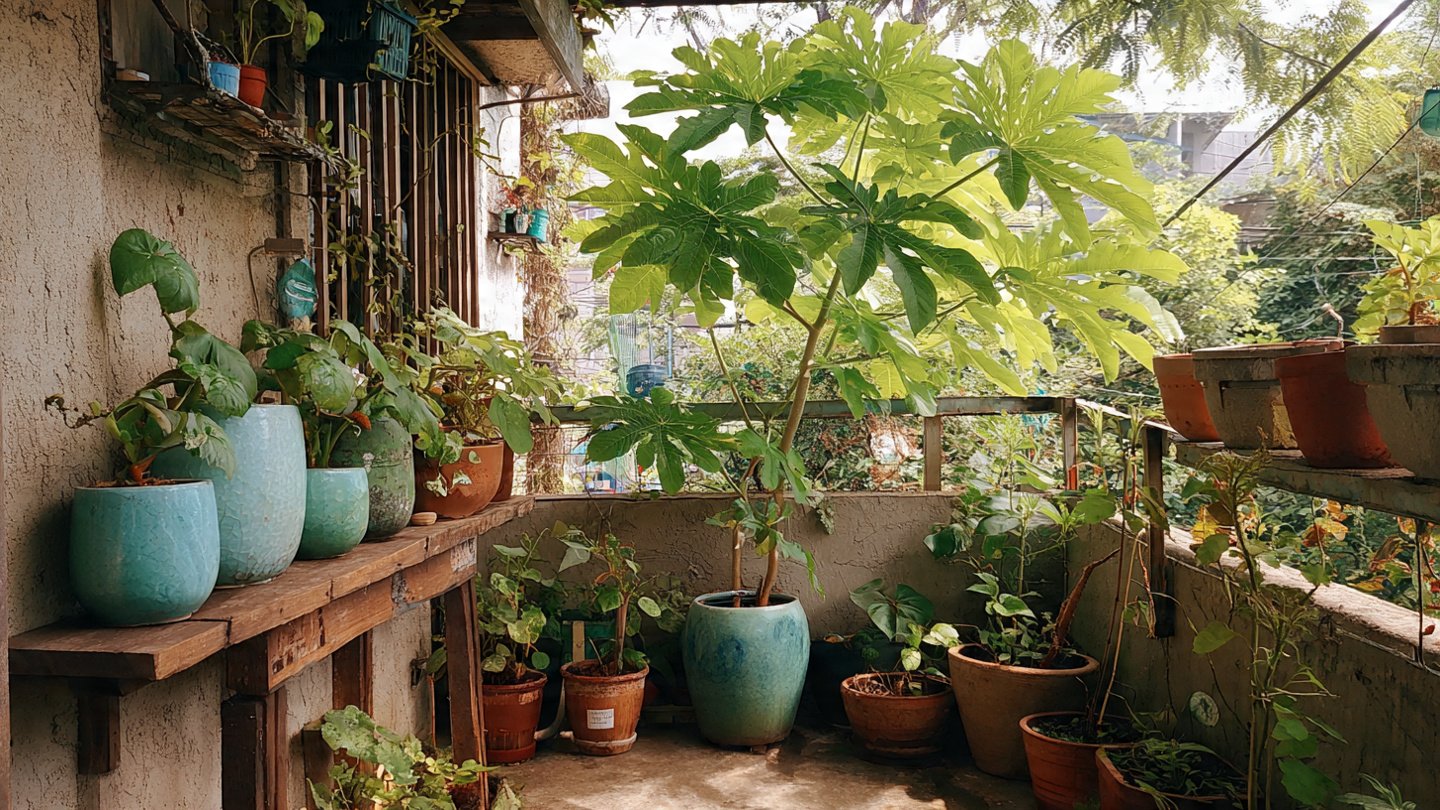
Urban living often comes with spatial limitations that make conventional gardening a challenge. However, with a little creativity, you can transform your balcony into a vibrant oasis. One of the most rewarding plants to cultivate in such a space is the papaya. Known for its lush foliage and delightful fruit, papayas are not only beautiful but also surprisingly well-suited for container gardening. In this article, we’ll explore how to create a thriving papaya balcony garden, offering practical tips and insights to ensure your urban gardening success.
Understanding Papayas
Before diving into the practicalities of growing papayas on your balcony, it’s essential to understand the fruit itself. Papaya (Carica papaya) is a tropical fruit native to Central America but is now grown in many warm climates around the world. The plant is known for its rapid growth and can produce fruit in as little as 6 to 12 months if conditions are right.
Benefits of Growing Papayas
- Fast Growth: Papayas can grow up to 10-15 feet tall in ideal conditions, but they can also thrive in containers, making them perfect for balconies.
- Free Food: Growing your own papayas means fresh fruit at your fingertips, which is satisfying and cost-effective.
- Air Purification: The large leaves of the papaya plant help improve air quality by absorbing carbon dioxide and releasing oxygen.
- Aesthetic Appeal: Papaya plants have striking leaves and can serve as natural privacy screens.
Choosing the Right Papaya Variety
When selecting papaya varieties to grow on your balcony, consider the following options:
- Dwarf Varieties: Some dwarf varieties, such as ‘Red Lady’ and ‘Paolo’, are specifically bred for container gardening. These can reach a height of about 4-6 feet, making them suitable for limited spaces.
- Hybrid Varieties: Many hybrid papayas are disease-resistant and can produce fruit more rapidly than traditional types.
Always opt for healthy seedlings or seeds from reputable sources to ensure good growth.

Ideal Growing Conditions
Papayas thrive in warm climates, so your balcony should ideally receive plenty of sunlight and protection from harsh winds. Here are some conditions to keep in mind:
Sunlight
Papaya plants love sun and should ideally receive at least 6 to 8 hours of direct sunlight daily. If your balcony is shaded, consider using reflective surfaces or positioning the pots in spots that receive maximum light.
Temperature
Papayas grow best in temperatures ranging from 70°F to 90°F (21°C to 32°C). They are sensitive to frost, so if you live in a cooler climate, be prepared to bring your plants indoors during winter or provide some form of heat.
Soil Requirements
Papayas prefer well-draining soil rich in organic matter. A mixture of potting soil, compost, and perlite can provide a nutrient-rich environment for your plants. Ensure good drainage by using pots with holes in the bottom.

Watering
Papayas enjoy consistent moisture but are vulnerable to root rot if overwatered. Water your plants deeply when the top inch of soil feels dry, ensuring that excess water drains away. During the hot summer months, you may need to water more frequently.
Choosing the Right Containers
Select containers that are large enough to accommodate the rapid growth of papayas. Here are some guidelines:
- Pot Size: Choose containers that are at least 5-10 gallons in size. The larger the pot, the more space the roots have to grow.
- Material: Terracotta, ceramic, or sturdy plastic pots are excellent choices as they offer good drainage. Avoid metal containers, which can heat up and harm the roots.
- Mobility: If you live in an area with fluctuating weather conditions, consider using pots with wheels to make moving your plants easier.
Planting Your Papayas
Once you have your containers, soil, and seedlings chosen, it’s time to plant. Here’s how:
- Fill the Pots: Add your potting mix into the containers, leaving a few inches of space at the top.
- Planting Depth: Dig a hole in the center of the soil and carefully place the seedling or seed 1-2 inches deep. If you’re starting from seeds, plant multiple seeds to ensure germination, and thin them out later.
- Water Thoroughly: After planting, water the soil well but avoid waterlogging.
Maintaining Your Papaya Balcony Garden
Creating a thriving papaya garden requires ongoing care. The following maintenance tips will help your plants flourish.

Fertilizing
Papayas are heavy feeders and will benefit from regular fertilization. Use a balanced fertilizer every month, preferably one rich in nitrogen and potassium. Organic compost can also provide essential nutrients.
Pruning
Regularly prune your papaya plants to remove any dead or yellowing leaves, which can help prevent pests and diseases. Additionally, shaping the plant can enhance air circulation and sunlight penetration.
Pest Control
Like any other garden plants, papayas are susceptible to pests like aphids, spider mites, and mealybugs. Regularly inspect your plants and use organic pesticides or insecticidal soap if necessary. Encouraging beneficial insects, like ladybugs, can also keep pests at bay.
Pollination
Most papaya trees are dioecious, meaning they have separate male and female plants. To ensure fruit production, you may need to hand-pollinate. Use a soft brush to transfer pollen from the male flowers to the female ones in the morning when they are open and receptive.

Harvesting Your Papayas
Once your plants start to produce fruit, you’ll need to know when to harvest them for optimal taste and ripeness.
- Ripeness Indicator: Harvest papayas when they are mostly yellow with a hint of green. A ripe papaya will yield slightly to gentle pressure.
- Cutting: Use a sharp knife to cut the fruit from the stem, leaving a small portion of the stem attached to avoid spoilage.
Troubleshooting Common Issues
Even with the best care, you may encounter challenges. Here are common issues and how to tackle them:
- Yellow Leaves: This may indicate nutrient deficiency or overwatering. Assess your watering habits and consider fertilizing your plants.
- Stunted Growth: Poor soil or insufficient sunlight could cause this. Check the soil quality and ensure your balcony receives adequate light.
- No Fruit Production: Ensure that you have both male and female plants or that you’re effectively hand-pollinating.
Sustainability and Eco-Friendliness
Creating a papaya garden is also a step towards sustainable living. Here are some eco-friendly gardening practices you can incorporate:
- Composting: Create a small compost bin to recycle kitchen scraps and yard waste into nutrient-rich soil.
- Rainwater Harvesting: Collect rainwater to irrigate your plants, reducing reliance on tap water.
- Natural Pest Control: Encourage birds and beneficial insects instead of chemical pesticides.
Conclusion
Creating a thriving papaya balcony garden might seem daunting, but with the right knowledge and dedication, it’s entirely achievable. Not only will you enjoy fresh, delicious papayas, but you’ll also enhance your living space with greenery and beauty. By following these tips, you’ll ensure a successful urban gardening experience that contributes to your personal well-being and the environment. With time, patience, and passion, you’ll reap the fruits of your labor and enjoy the many benefits of a papaya garden! Happy gardening!
