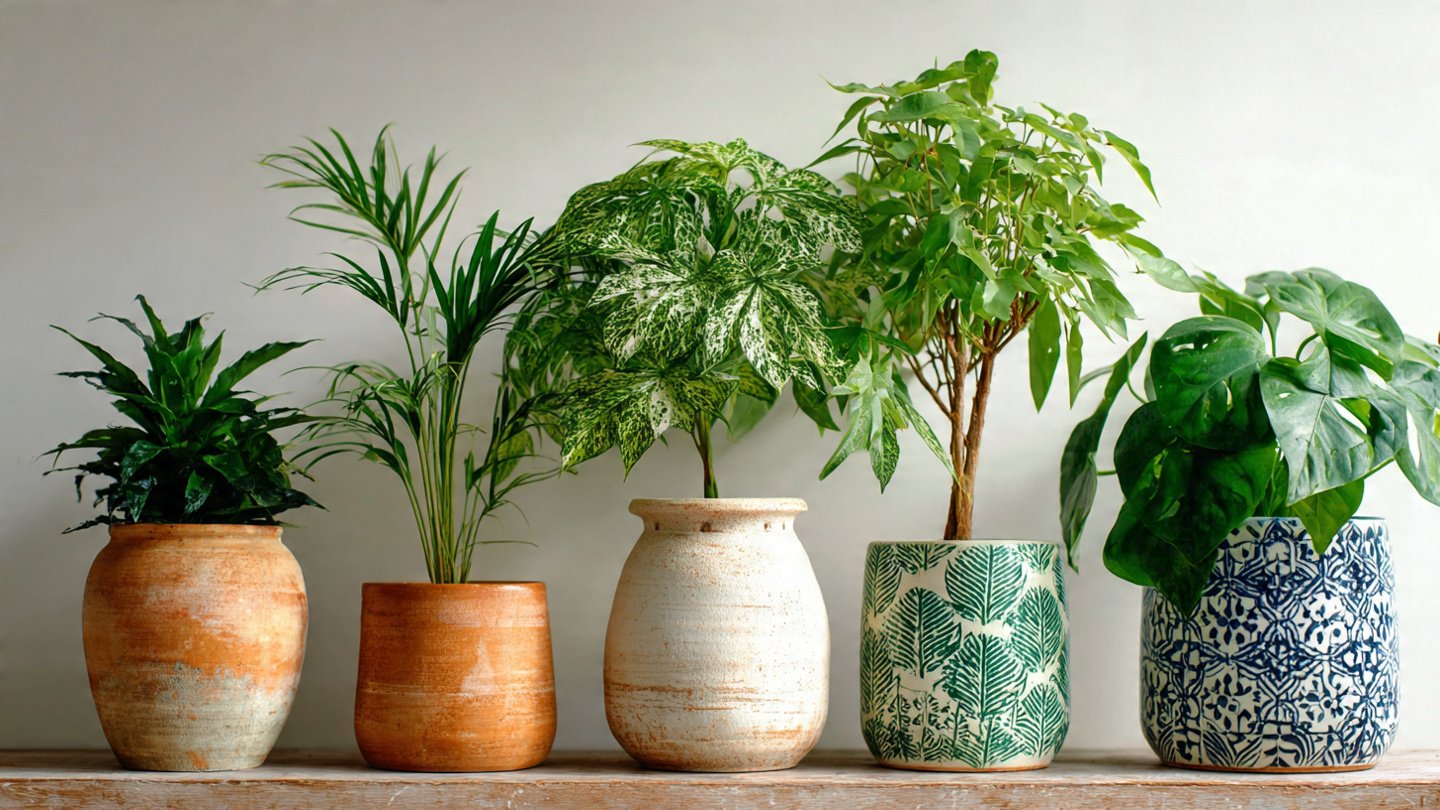
Growing decorative indoor plants can transform your living space, adding beauty, color, and life. In addition to aesthetics, houseplants can improve air quality and promote a sense of well-being. However, nurturing them successfully requires knowledge, patience, and the right techniques. This article will guide you through the essential steps needed to grow decorative indoor plants successfully.
1. Understanding Your Plant Choices
Choosing the Right Plants
Before you even pot your plants, it’s crucial to select the right ones for your environment. Some popular decorative indoor plants include:
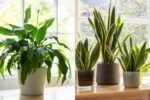
- Snake Plant (Sansevieria): Known for its resilience, it can thrive in low light and requires minimal watering.
- Pothos (Epipremnum aureum): A vining plant that tolerates a wide range of conditions and is easy to propagate.
- Peace Lily (Spathiphyllum): Appreciated for its beautiful blooms, it can adapt to low light but needs consistent moisture.
- Spider Plant (Chlorophytum comosum): Excellent for beginners, it requires bright, indirect light and minimal care.
Assessing Your Environment
Every plant has its unique requirements. Consider factors such as:
- Light: Understand the light conditions in your home. Is it bright and sunny, or dim and shady?
- Humidity: Some plants, like ferns, thrive in humidity, while others prefer drier conditions.
- Temperature: Most indoor plants prefer temperatures between 65°F to 75°F (18°C to 24°C).
2. Ideal Soil and Potting Techniques
Choosing the Right Soil

The foundation of any healthy plant is its soil. Each plant has specific soil needs; however, general-purpose potting soil is suitable for many indoor plants. Consider specialized blends like:
- Cactus or Succulent Soil: For drought-tolerant plants.
- Orchid Bark: For epiphytic plants like orchids that require excellent drainage.
Potting Your Plants
- Choosing the Right Pots: Ensure that pots have drainage holes to prevent waterlogging.
- Filling the Pot: Start with a layer of soil at the bottom of the pot.
- Transplanting: Gently remove the plant from its nursery pot, place it in your new pot, and fill in with soil, patting it down lightly.
- Watering: Water the plant thoroughly after potting to help settle the soil.
3. Watering Techniques
Understanding Watering Needs
Overwatering is a common issue that can lead to root rot. To avoid this, understand your plant’s watering needs:
- Check Soil Moisture: Insert your finger about an inch into the soil. If it feels dry, it’s time to water.
- Use Room Temperature Water: Cold water can shock the roots. If possible, collect rainwater or let tap water sit overnight to eliminate chlorine.
Watering Technique

- Water Thoroughly: When watering, soak the entire root ball until water drains from the bottom.
- Frequency: Most plants prefer watering every 1-2 weeks, but this can vary based on humidity, pot size, and season.
4. Light Management
Providing Adequate Light
Understanding light levels in your home is vital for plant health. Here are the basic categories:
- Low Light: Plants like snake plants and pothos can thrive here.
- Medium Light: East or north-facing windows are ideal for most decorative plants.
- Bright Light: Succulents and cacti typically need direct sunlight.
Rotating Your Plants
To ensure even growth, rotate your plants every few weeks. This practice promotes balanced light exposure, reducing the chance of leggy growth.
5. Fertilization
Nutrient Requirements
Plants require nutrients to thrive. While potting soil contains initial nutrients, these deplete over time. Here’s how to provide the right mix:
- Choose the Right Fertilizer: Use a balanced, water-soluble fertilizer during the growing season (spring and summer).
- Frequency: Fertilize every 4-6 weeks, but reduce this frequency during winter when plant growth slows.

Application Tips
- Dilute: Always dilute fertilizers to avoid over-concentration.
- Watering: Apply fertilizers after watering to prevent root burn.
6. Humidity and Temperature
Maintaining Optimal Conditions
Indoor humidity levels can significantly affect plant health. Many decorative plants thrive in humidity levels between 40-60%.
- Boosting Humidity: Consider using a humidity tray filled with pebbles and water under your pots or place a humidifier nearby.
- Grouping Plants: Grouping plants together can create a microclimate that increases humidity.
Temperature Control
Most houseplants prefer stable temperatures. Here’s how to provide an optimal environment:
- Avoid Cold Drafts: Keep plants away from doors and windows that frequently open or areas with heating vents.
- Consistent Conditions: Try to maintain a consistent temperature, avoiding sudden fluctuations.
7. Pruning and Maintenance
Regular Pruning
Pruning is an essential part of plant care. It helps encourage growth and remove dead or yellowing leaves. Here’s how to do it:
- Use Clean Tools: Always use sterilized scissors or pruning shears to prevent disease spread.
- Timing: Trim dead leaves and stems anytime, but consider shaping your plants in the spring.
Pest Management
Indoor plants can attract pests such as aphids, spider mites, or mealybugs. To manage them effectively:
- Inspect Regularly: Check the undersides of leaves for early signs of pests.
- Natural Remedies: Use neem oil or insecticidal soap to treat infestations.
8. Seasonal Care
Adapting to Seasonal Changes
Plants may have different requirements based on the season. Here’s how to adapt:
- Winter Care: Reduce watering and fertilization. Be mindful of potential cold drafts.
- Spring Growth: This is the time for repotting and new growth. Increase watering and resume fertilization.
- Summer: Ensure adequate light and humidity for actively growing plants and be vigilant for pests.
- Fall Preparation: Reduce fertilization and prepare plants for dormancy as light levels drop.
9. Propagation Techniques
Growing New Plants
Propagation allows you to grow new plants from your existing collection, saving money and expanding your indoor garden.
- Stem Cuttings: Many plants, like pothos and spider plants, can be propagated by taking cuttings and placing them in water until roots develop.
- Division: Some plants, such as peace lilies, can be divided into smaller sections, allowing them to thrive individually.
10. Final Touches: Aesthetic Arrangement
Styling Your Plants
A well-arranged indoor garden enhances your space’s aesthetic appeal. Consider the following:
- Plant Stands and Shelves: Use plant stands to create varying heights.
- Groupings: Group plants with similar care needs to make maintenance easier.
- Decorative Containers: Choose pots that complement your interior design while ensuring they have adequate drainage.
Conclusion
Growing decorative indoor plants successfully requires an understanding of their needs and care techniques. By choosing the right plants for your environment, providing adequate light, water, and nutrients, and using proper potting techniques, you can foster a thriving indoor garden. Regular maintenance, including pruning and pest control, will help keep your plants healthy and beautiful. Additionally, seasonal adjustments and propagation can enhance your collection and bring even more life into your space.
As you embark on your indoor gardening journey, remember that patience and observation are key. Over time, you’ll develop a deeper understanding of your plants and their specific requirements, leading you to succeed in cultivating a lush, vibrant indoor oasis. Happy planting!