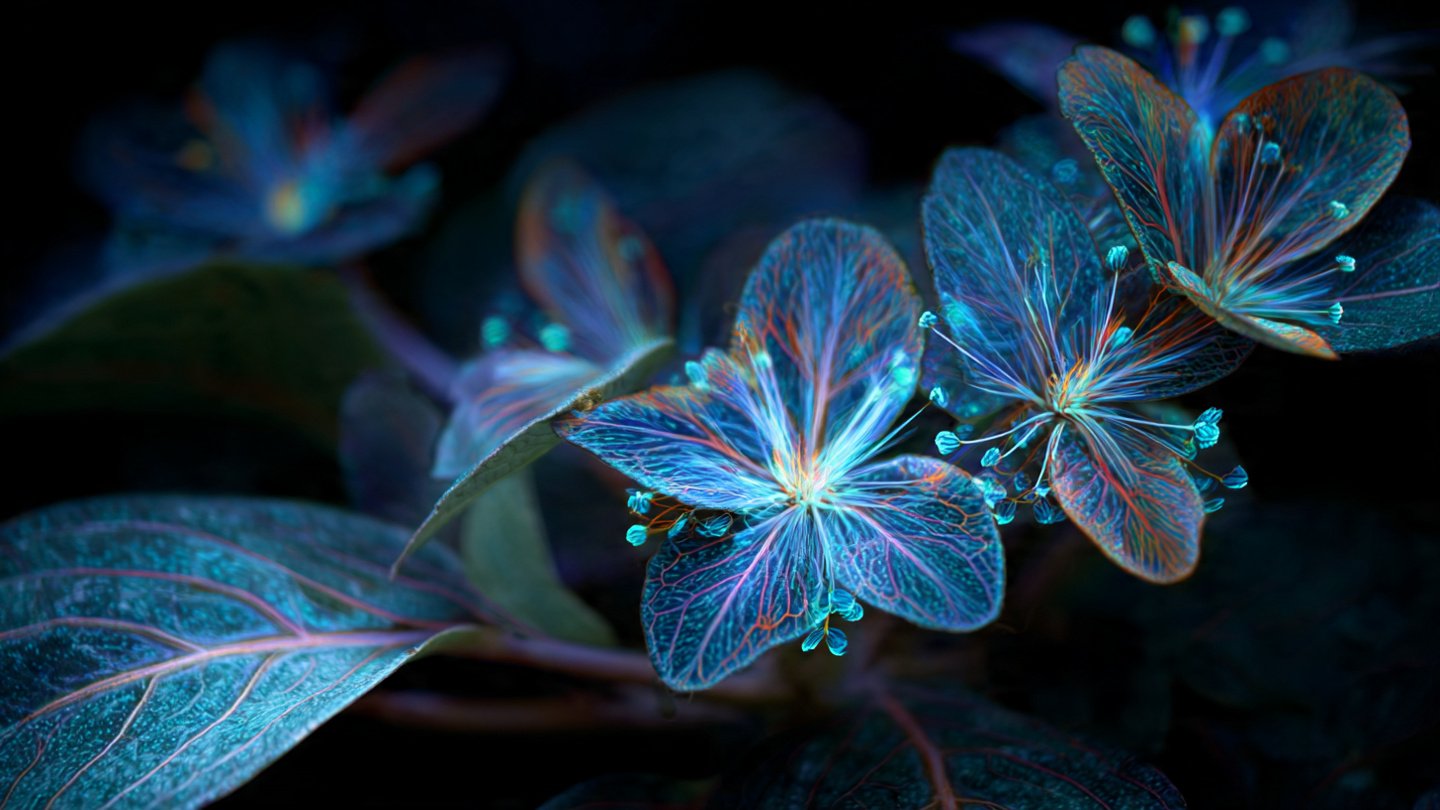
Flowers have long fascinated humankind with their colors, shapes, and scents. However, for some species, there is an additional element of intrigue: the ability to glow in the dark. This phenomenon, known as bioluminescence, is not just limited to the depths of the ocean but can also be found in certain plants, including flower leaves.
Understanding Bioluminescence
Bioluminescence is the biochemical emission of light by living organisms. This natural light production occurs due to a chemical reaction that takes place within cells and involves a light-emitting molecule known as luciferin and an enzyme called luciferase. The presence of these substances allows organisms to produce light through a reaction that is often triggered by factors such as temperature, pH, or the presence of specific ions.
Types of Bioluminescent Plants
While many organisms such as fireflies and certain fungi are well-known examples of bioluminescence, plants that exhibit this trait are relatively rare. Some of the notable examples include:
- Night-Blooming Cereus: This desert cactus produces bioluminescent flowers to attract pollinators during the night.
- Glowing Mushrooms: Certain types of fungi can glow in dim light, a process often mistaken as purely plant-based.
- Marine Plants: Some algae and seaweeds exhibit bioluminescence, creating glowing waves in the ocean.

The Mechanism Behind Flower Leaf Bioluminescence
The glow that is observed in certain flower leaves is primarily due to two essential elements: luciferin and luciferase. This reaction takes place when luciferin is oxidized by luciferase, resulting in the emission of light. The intensity of the glow can vary based on multiple factors, including:
- Environmental Conditions: Ideal temperatures and pH levels can enhance the reaction, resulting in a more pronounced glow.
- Time of Day: Many plants tend to exhibit bioluminescence at night, which could be an evolutionary adaptation to attract nocturnal pollinators.
- Species Variation: Some species are more efficient at producing light due to higher concentrations of luciferin or luciferase.

The Role of Bioluminescence in Nature
Bioluminescence serves a variety of ecological purposes:
- Attraction of Pollinators: Flowers that glow in the dark can attract nighttime pollinators such as moths, which prefer to feed in low light conditions.
- Predation: Some plants may use bioluminescence as a defense mechanism, deterring herbivores or attracting predators of herbivores.
- Communication: Plants may use light as a signaling mechanism to attract or repel certain animals.
Human Applications and Interest
The unique property of bioluminescent plants has piqued the interest of researchers and gardeners alike. Applications include:

- Aesthetic Use in Landscaping: Bioluminescent plants can add a unique allure to gardens and parks, creating a captivating environment.
- Scientific Research: Understanding the mechanisms behind bioluminescence could lead to innovations in areas such as medical diagnostics and biotechnology.
- Environmental Indicators: Some scientists are exploring the use of bioluminescent plants as indicators of environmental health or pollution levels.
Conclusion
In summary, the enchanting glow of certain flower leaves in the dark is not merely a visual spectacle but signifies a fascinating biological phenomenon known as bioluminescence. Understanding this phenomenon enriches our appreciation of the complexity and interconnectivity of life forms on Earth. As research continues to unlock the secrets of bioluminescence, we may find ourselves utilizing these natural wonders in innovative ways, enhancing our environment and scientific knowledge.
FAQs
1. Are all flowers bioluminescent?

No, not all flowers are bioluminescent. Only specific species have developed this ability, primarily for attracting nighttime pollinators.
2. What is the main chemical involved in bioluminescence?
The primary chemical involved in bioluminescence is luciferin, which reacts with the enzyme luciferase to emit light.
3. Can bioluminescent plants be grown at home?
Some bioluminescent plants can be cultivated at home, although they may require specific environmental conditions to thrive.
4. How can bioluminescence benefit the ecosystem?
Bioluminescence can aid in pollination, enhance plant defense mechanisms, and serve as a communication method between species in an ecosystem.

5. Are there any dangers associated with bioluminescent plants?
Generally, bioluminescent plants are safe, but it’s essential to research specific species, as some may be toxic or require special care.