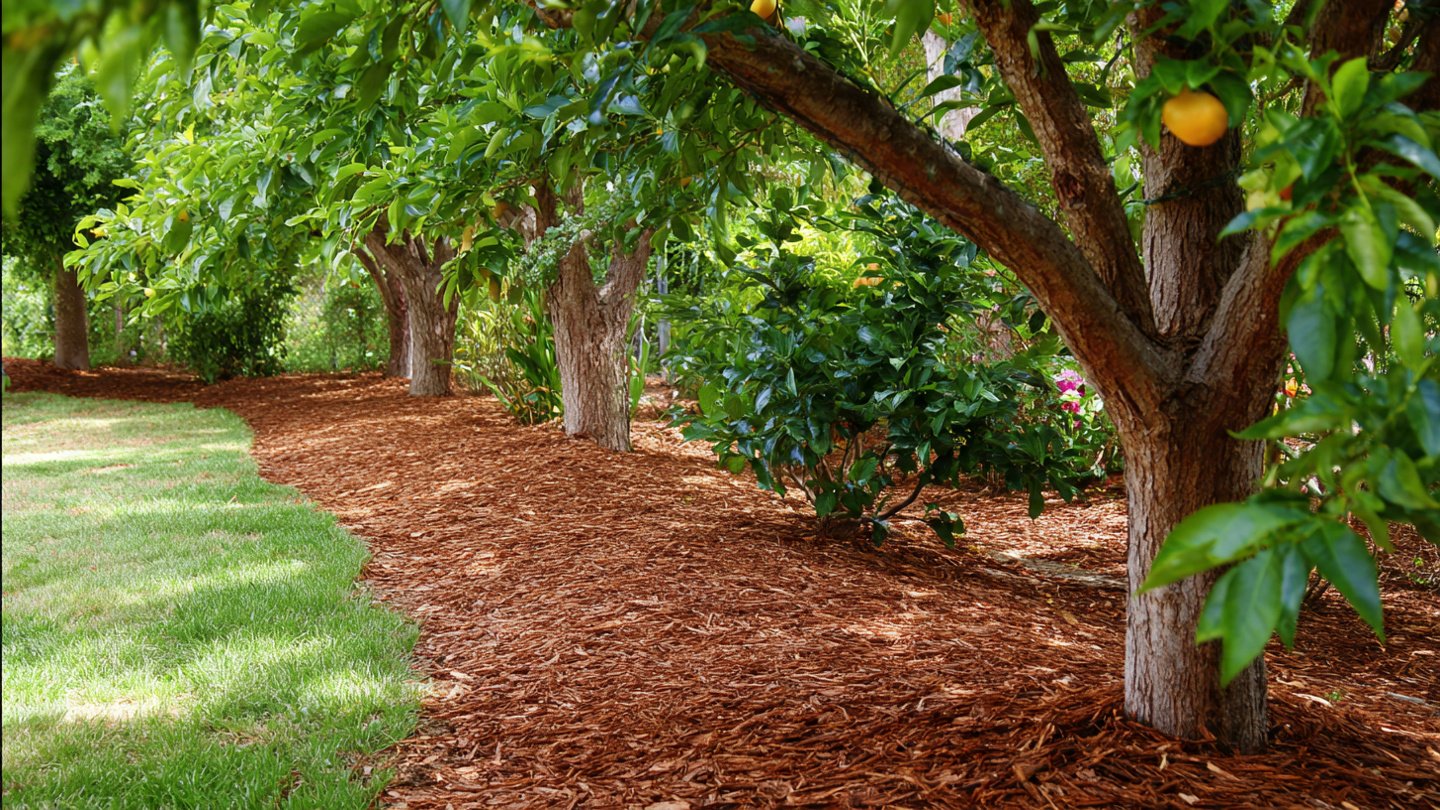
Mulching is a gardening technique that involves covering the soil around plants with a protective layer of material. This layer can be composed of organic materials like wood chips, straw, and grass clippings, or inorganic materials like plastic or stones. Proper mulching can significantly benefit fruit trees by enhancing their growth, health, and yield.
Benefits of Mulching for Fruit Trees
When implemented effectively, mulching can transform the health of your fruit trees in several ways:
1. Moisture Retention
One of the primary benefits of mulching is its ability to retain moisture in the soil. This is especially important for young fruit trees that require consistent moisture levels to thrive.
- Reduced evaporation: A layer of mulch reduces water loss from the soil surface, helping to maintain consistent moisture levels.
- Drought resistance: Trees can better withstand periods of drought, reducing the frequency of watering required.
2. Temperature Regulation
Mulch acts as an insulating layer, helping to regulate soil temperatures. This has several important implications for fruit trees:

- Root protection: During hot summer months, mulch keeps roots cool, while in winter, it helps insulate them from extreme cold.
- Stimulating growth: Consistent temperatures can promote more reliable growth patterns in fruit trees.
3. Weed Suppression
Mulching effectively suppresses weeds by blocking sunlight and preventing weed seeds from germinating:
- Reduced competition: Fewer weeds mean that fruit trees do not have to compete for essential nutrients and water.
- Less maintenance: Reduced weeds also mean that you spend less time and energy on weeding.
4. Nutrient Enhancement
Organic mulches, in particular, can improve soil health over time:
- Decomposition benefits: As organic mulches break down, they add essential nutrients back into the soil.
- Improved soil structure: Organic matter increases microbial activity in the soil, which enhances its structure and nutrient availability.

5. Pest and Disease Control
Properly applied mulch can help in managing pests and diseases that might affect fruit trees:
- Barrier creation: Mulch can act as a barrier, keeping certain pests away from the tree base.
- Moisture management: Healthy mulch reduces the risk of fungal diseases caused by standing water and excessive humidity around the tree trunk.
Choosing the Right Mulch
Not all mulches are created equal; selecting the right type for your fruit trees is essential for maximizing benefits. Here are some popular options:
1. Organic Mulches
These materials decompose over time and enrich the soil with nutrients. Popular choices include:
- Wood chips: Excellent for moisture retention and slowly release nutrients.
- Straw: Lightweight and great for suppressing weeds.
- Grass clippings: Contains nitrogen and acts as an excellent fertilizer.

2. Inorganic Mulches
These are non-decomposing materials that provide long-lasting coverage, thereby reducing the need for replacement:
- Plastic sheeting: Effective for weed control but may cause soil heating.
- Gravel: Good for ornamental fruit trees and offers great weed suppression.
How to Apply Mulch Effectively
Applying mulch correctly is crucial to achieving the desired benefits:
- Depth: Apply a depth of 2 to 4 inches, but avoid piling it against the trunk of the tree.
- Distance: Keep mulch at least 6 inches away from the trunk to prevent bark rot and pest attraction.
- Type choice: Consider the specific needs and conditions of your fruit trees when selecting mulch types.
Potential Drawbacks of Improper Mulching

While mulching offers numerous advantages, improper application can cause problems:
- Excessive moisture: Too much mulch can lead to damp conditions that promote rot and pests.
- Nutrient imbalance: Using the wrong type of mulch can result in nutrient depletion or excesses.
Conclusion
Proper mulching is an essential practice for the health and productivity of fruit trees. From water retention to weed suppression and nutrient enhancement, the benefits are manifold. By selecting the right materials and applying them correctly, gardeners can create optimal growing conditions for fruit trees, leading to increased yields and more robust plants. For anyone seeking to foster a thriving fruit garden, investing time and resources into effective mulching strategies will undoubtedly pay off.
FAQs
1. How often should I refresh my mulch?
Generally, organic mulches should be refreshed every year or two as they decompose. Inorganic mulches can remain in place longer but should be checked regularly for effectiveness.
2. Can I use newspaper or cardboard as mulch?
Yes, both materials can be effective for weed suppression, but should be covered with organic mulch to improve aesthetics and biodegrade over time.

3. Is there a specific time of year for applying mulch?
Early spring or fall is the best time to apply mulch, ensuring moisture retention during hot summers and providing insulation during cold winter months.
4. Should I mulch around the tree trunk?
No, avoid piling mulch against the trunk of the tree to prevent rot and pest issues. Leave a gap of at least 6 inches around the trunk.
5. Can I use synthetic mulch for fruit trees?
Synthetic mulch can reduce weeding but may not provide the same benefits as organic mulches in terms of soil health and nutrient enhancement.