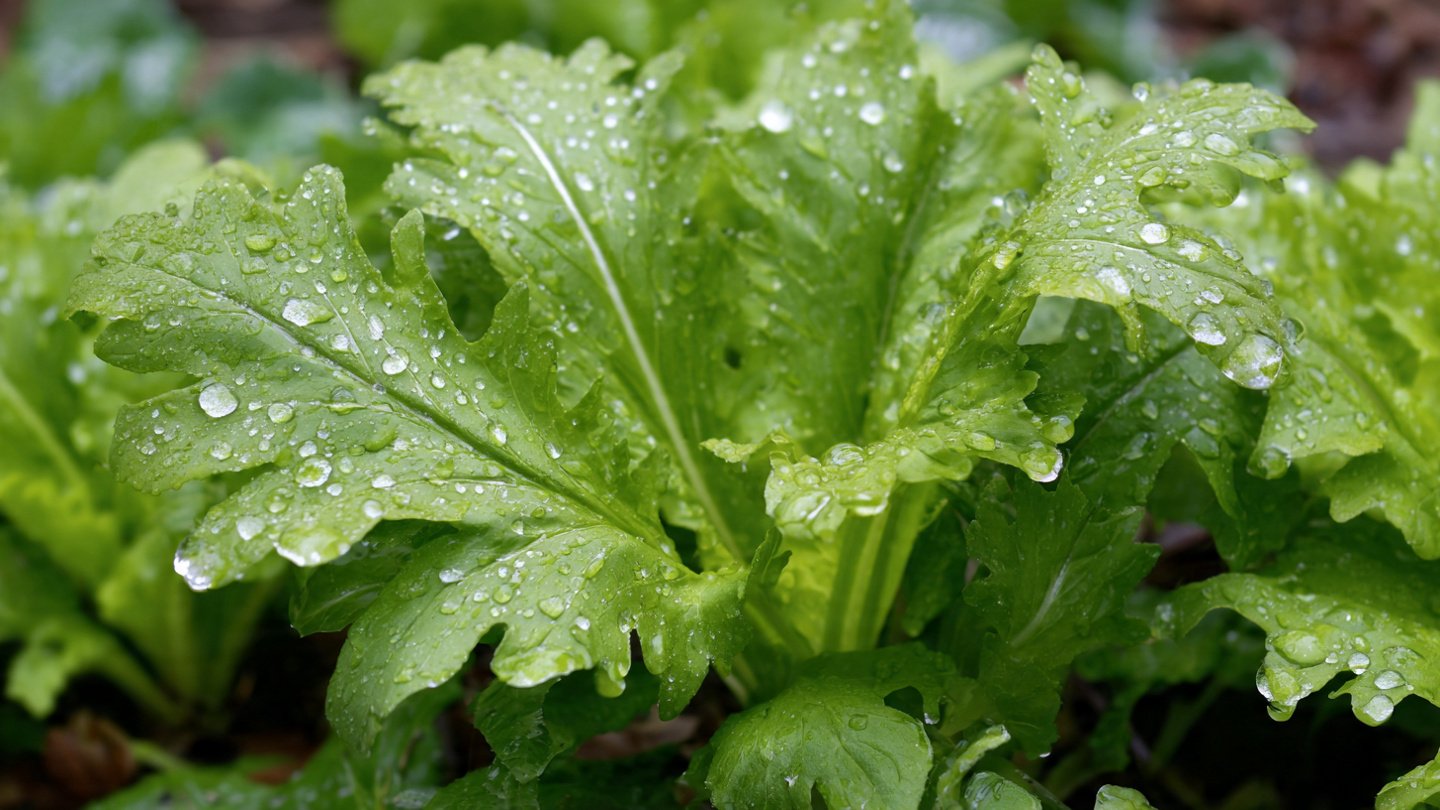
Mizuna, a leafy green that belongs to the mustard family, has been gaining popularity in culinary circles for its peppery flavor and versatility in salads. Known scientifically as Brassica rapa var. nipposinica, this Asian green is not only nutritious but also a delight to grow. Unlocking the secret to massive, succulent heads of mizuna is an endeavor worth pursuing for both seasoned gardeners and beginners alike. In this article, we will explore the essential steps, tips, and techniques to cultivate flourishing heads of mizuna for your salads.
Choosing the Right Variety
Before starting your mizuna-growing journey, it’s crucial to select the right variety. Mizuna comes in several types, and some are better suited for larger heads:
- Giant Red Mizuna: This variety features larger leaves and an attractive red color.
- Green Mizuna: A classic choice with an excellent flavor profile.
- Tokyo Mizuna: Known for its mild taste, making it popular in salads.
It’s essential to know your intended use since some varieties may be better suited for continuous harvest while others excel in size.
Soil Preparation
Mizuna thrives in well-draining, nutrient-rich soil. Start by selecting a site that receives full sun for at least 6 hours a day. Here’s how to prepare your soil:

- Soil Testing: Conduct a soil test to determine pH and nutrient levels. Mizuna prefers a pH between 6.0 and 7.5.
- Amend the Soil: Incorporate organic matter like compost or well-rotted manure. This addition improves soil structure and nutrient availability.
- Tilling: Till the soil to a depth of about 12 inches to ensure proper drainage and aeration.
Sowing Seeds and Transplanting
You can choose to sow seeds directly in the garden or start them indoors for transplanting later. Here’s a breakdown of both methods:
Direct Sowing
- Sow seeds about ¼ inch deep and 1 inch apart.
- Water gently to avoid displacing seeds and keep the soil consistently moist.
- Thin the seedlings to about 6 inches apart once they develop a few true leaves.
Transplanting

- Start seeds indoors 4-6 weeks before the last frost date.
- Transplant when seedlings are 3-4 inches tall and have at least two true leaves.
- Space the transplants 6 inches apart in well-prepared beds.
Watering and Fertilization
Proper watering and fertilization are crucial for growing huge heads of mizuna. Here’s how to strike the right balance:
- Watering: Mizuna needs consistent moisture. Aim to keep the soil moist but not soggy. Water deeply once a week, increasing frequency during hotter weather.
- Fertilization: Apply a balanced fertilizer high in nitrogen to promote leafy growth. A liquid fertilizer every 4-6 weeks can also boost nutrient levels.
Pest and Disease Management
Like any crop, mizuna is susceptible to pests and diseases. Monitor your plants regularly and take preventive measures:
- Pests: Aphids and flea beetles are common pests. Use insecticidal soap or neem oil to control infestations.
- Diseases: Fungal diseases like downy mildew can affect mizuna. Ensure adequate spacing for air circulation and avoid overhead watering.

Harvesting
Harvesting is a crucial step in achieving large heads of mizuna. Follow these guidelines:
- Begin harvesting when the leaves reach 6-8 inches in height.
- Cut the outer leaves first, allowing the inner leaves to continue growing. This technique promotes larger heads.
- Avoid harvesting during the hottest part of the day to prevent wilting.
Common Mistakes to Avoid
Even seasoned gardeners can make mistakes when cultivating mizuna. Here are some pitfalls to avoid:
- Overcrowding: Ensure proper spacing to promote air circulation and reduce competition for nutrients.
- Neglecting pH Levels: Mizuna’s growth can be stunted by incorrect pH levels. Regularly test soil and amend accordingly.
- Ignoring the Weather: Protect young plants from late frosts and extreme heat by using row covers or shade cloth.

Conclusion
Growing huge heads of mizuna for salads is an achievable goal with the right combination of knowledge, care, and patience. From selecting the right variety to ensuring proper soil preparation and pest management, each step plays an essential role in your success. By following these guidelines and remaining vigilant in monitoring your plants, you can unlock the secrets to cultivating delicious, robust heads of mizuna that are sure to impress in any salad. Embrace the joy of gardening and enjoy the fruits of your labor in a fresh, homegrown salad!
FAQs
1. How long does it take for mizuna to grow?
Mizuna typically takes about 30-40 days from seed to harvest, depending on the variety and growing conditions.
2. Can mizuna be grown in containers?
Yes, mizuna can thrive in containers. Make sure the container has good drainage and is filled with nutrient-rich soil.

3. Is mizuna a perennial plant?
Mizuna is primarily grown as an annual, though it can sometimes reseed itself and return in subsequent years.
4. How can I store harvested mizuna?
Store harvested mizuna in a plastic bag in the refrigerator, where it can last up to a week. For longer storage, consider blanching and freezing.
5. What can I plant alongside mizuna?
Mizuna grows well alongside other greens, radishes, and legumes. Avoid planting with members of the brassica family to minimize pest issues.