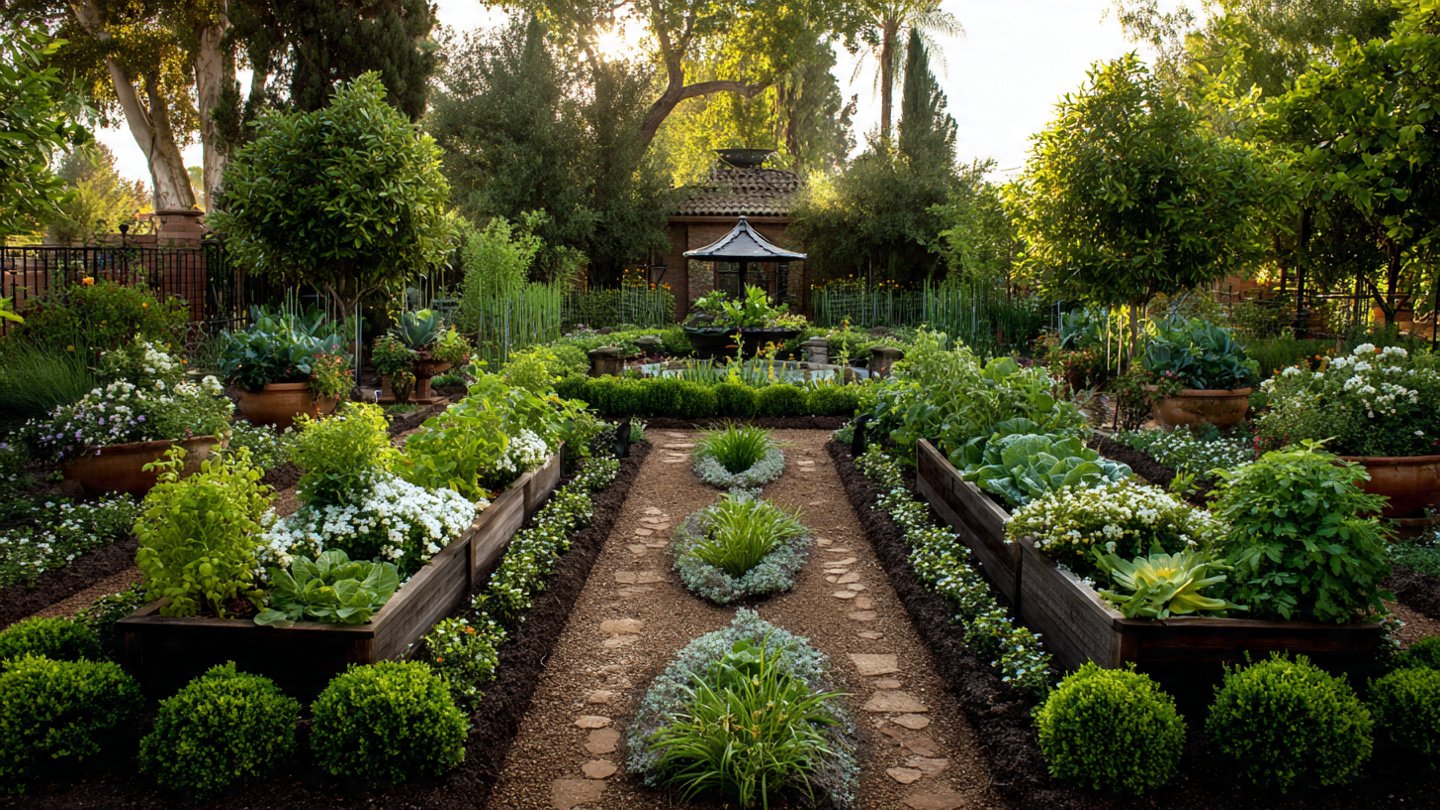
Creating an edible garden is one of the most rewarding and sustainable ways to utilize your outdoor space. Not only does it provide fresh fruits, vegetables, and herbs, but it also enhances the aesthetics of your home and promotes environmental sustainability. By combining beauty and functionality, you can design an edible garden that delights the senses while serving your culinary needs.
Understanding the Basics of Edible Gardening
Before diving into the design process, it’s crucial to understand some core concepts of gardening.
1. Choosing the Right Space
Sunlight Requirements
Most edible plants thrive in full sun, meaning they need at least six hours of direct sunlight daily. Assess your garden space for sun exposure and pick the area that gets the most light.
Soil Quality
Healthy soil is the foundation of any garden. Conduct a soil test to determine nutrient levels and pH. Rich, well-draining soil will support healthier plant growth. If necessary, amend your soil with organic matter, compost, or other nutrients.
Water Access
Proximity to a water source is critical for maintaining your garden. Consider adding a rainwater collection system or irrigation system for efficiency.
2. Design Considerations
Aesthetic Appeal
An edible garden can be just as beautiful as a traditional ornamental garden. Focus on color, texture, and plant variety to create visual interest. Mixing different heights and shapes will also add dimension to your garden.
Functional Layout
Plan the layout of your garden based on accessibility and crop rotation principles. Raised beds or containers can make gardening more efficient by allowing for better soil control and easier maintenance.
3. Selecting Your Plants
Choosing the right plants is crucial. Think about your climate zone, available space, and personal preferences. Here are some popular options for various edible gardens:

- Herbs: Basil, rosemary, cilantro, and mint not only smell fantastic but can thrive in smaller spaces. They attract beneficial pollinators and can be used in your cooking.
- Veggies: Kale, tomatoes, peppers, and radishes are excellent for beginners and packed with nutrients.
- Fruits: Strawberries, blueberries, and dwarf fruit trees can be grown in containers or garden beds, adding beauty and sweetness.
Creating a Beautiful Edible Garden
Now that you understand the basics, let’s delve into the steps to transform your space.
1. Planning Your Garden
Start by sketching a rough outline of your space, including existing structures, trees, and flower beds. Think about:
- The layout of flower beds, vegetable patches, and herb gardens.
- Pathways for easy access and maintenance.
- Areas for seating and relaxation, allowing you to enjoy the fruits of your labor.
2. Build Raised Beds
Raised garden beds not only make gardening easier on your back but also allow for improved soil control. You can choose materials that complement your home’s style, such as wood, stone, or metal.
-
Dimensions: Typically, raised beds are about 4 feet wide. This width allows for easy reach from both sides without stepping into the bed, which helps preserve the soil structure.
-
Height: Depending on the plants you choose to grow, a height of 12-24 inches is often ideal.
3. Incorporating Color
Add visual interest by incorporating a variety of colors in your garden. Use colorful vegetables like vibrant purple eggplants, red tomatoes, and yellow squash. Herbs can also provide beautiful blooms; for example, dill and chives produce lovely flowers.
4. Vertical Gardening
If space is limited, consider vertical gardening techniques such as trellises or wall-mounted planters. Climbing vegetables like peas, beans, and cucumbers not only save ground space but can add stunning vertical beauty to your garden.
-
Trellises: These can be made from wood, metal, or even repurposed materials.
-
Wall Planters: Consider installing wall-mounted planters decorated with colorful pots filled with herbs or trailing plants.
5. Adding Pathways
Creating defined pathways enhances the structure of your garden and aids accessibility. You can use natural materials such as gravel, wood chips, or stone to create organic-looking pathways.
-
Width: Ensure paths are wide enough for wheelbarrows or garden carts if you plan on using them.
-
Curved Paths: Instead of straight lines, curved paths create a more inviting atmosphere.
6. Incorporate Water Features
A water feature can attract wildlife and create a focal point in your garden. It could be as simple as a birdbath, a small pond, or a fountain.
-
Wildlife Attraction: The sound of running water can attract birds and butterflies, adding life to your garden.
-
Irrigation: You can also use a water fountain that serves the dual purpose of aesthetics and irrigation for nearby plants.
7. Integrate Companion Planting
Companion planting involves growing different plants together in a way that enhances their growth or deters pests. For example, planting garlic near roses can help ward off aphids.
- Examples of Pairing: Basil and tomatoes grow well together, while marigolds can deter certain pests and add beautiful color.
8. Use Decorative Containers
Containers can serve as functional and decorative elements in your garden. They offer flexibility in plant selection and can be easily moved around.
-
Materials: Opt for clay pots, wooden boxes, or even repurposed items like old wheelbarrows or bathtubs.
-
Layering: Use taller plants in the back and shorter ones in the front for a fuller look.
9. Seasonal Interest
To keep your edible garden visually appealing year-round, consider plants that provide seasonal interest. Early spring crops like peas can be followed by summer blooms like zucchini, while fall can bring colorful pumpkins and kale.
- Perennials: Include perennial herbs and vegetables that come back year after year, such as asparagus or rhubarb.
10. Sustainable Practices
Integrating sustainable practices will not only enrich your garden but also contribute positively to the environment.
-
Composting: Create a compost system to recycle kitchen scraps and yard waste. This will provide you with nutrient-rich soil.
-
Organic Pest Control: Use natural methods for pest control, such as introducing beneficial insects or using neem oil.
11. Maintenance and Care
Regular maintenance is vital for a thriving garden:
-
Watering: Ensure consistent watering, especially in hot months.
-
Weeding: Regularly check for weeds, which can compete with your edible plants for nutrients.
-
Pruning: Regularly prune plants to encourage healthy growth and to remove any dead or diseased parts.
12. Enjoy Your Harvest
Finally, the reward for your hard work is the harvest. Engage your family and friends in the process of harvesting and cooking with your homegrown produce.
-
Harvest Times: Learn the best time to harvest each plant for optimal flavor and nutrition.
-
Cooking: Experiment with recipes that highlight the flavors of your garden produce, and share meals with loved ones.
Conclusion
Transforming your space into a beautiful edible garden is not only a rewarding endeavor but also a wonderful way to cultivate sustainability and enhance your lifestyle. By combining thoughtful design, sustainable practices, and a love for gardening, you can create a vibrant and productive garden space. Whether you have a sprawling backyard or a small balcony, there is always an opportunity to nurture plants that nourish both the body and soul. So roll up your sleeves, dig into the soil, and start turning your vision into reality. Happy gardening!