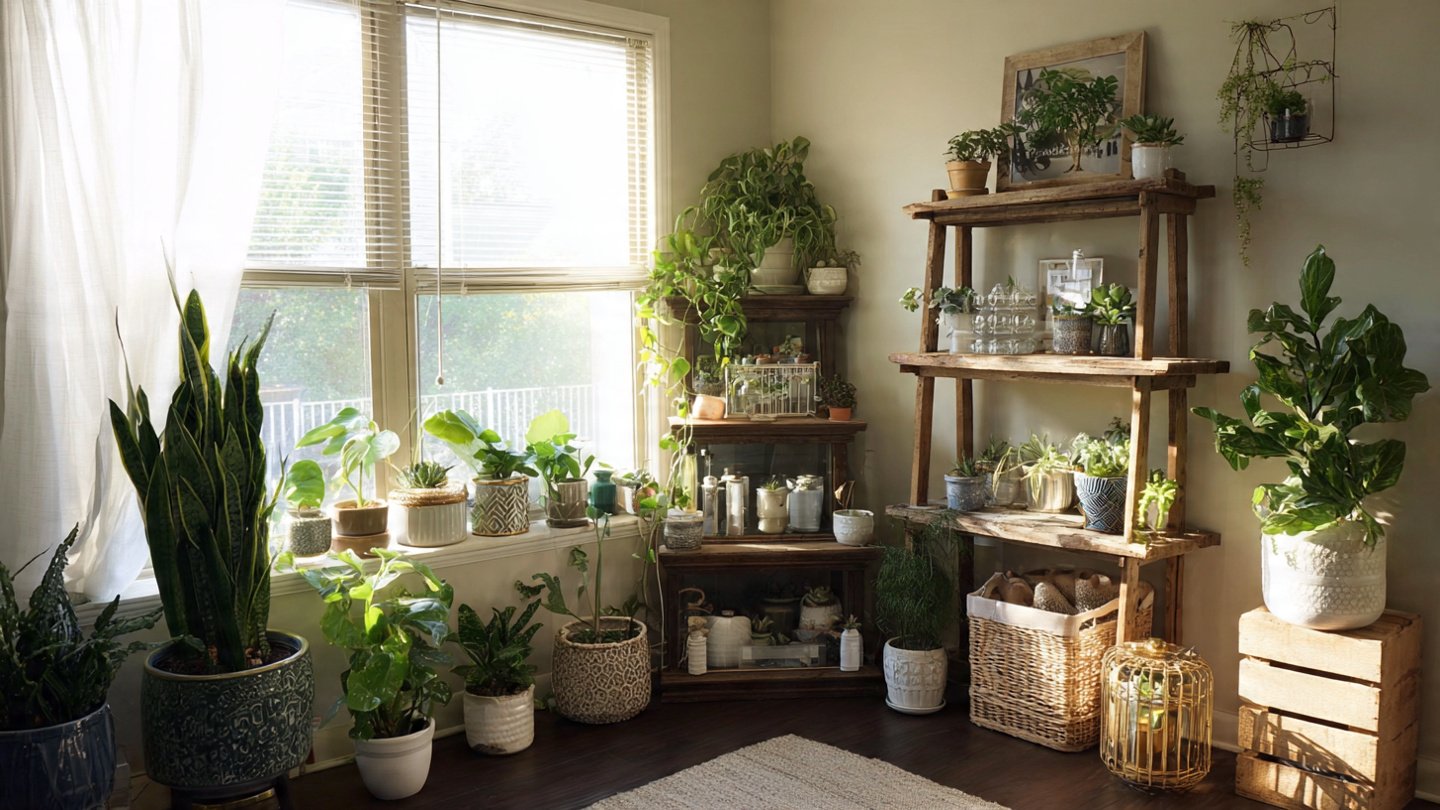
In modern interior design, incorporating greenery has become a popular trend, especially in bedrooms where serenity and comfort are paramount. Low light greenery, in particular, offers a perfect solution for those who may not have access to abundant natural sunlight. This article explores various ways to use low light plants to transform your modern bedroom into a tranquil oasis.
Understanding Low Light Greenery
Low light plants are those that thrive in environments where sunlight is minimal. These plants can purify the air and add a touch of nature to your space without requiring constant attention or the perfect light conditions. Understanding their characteristics is vital when selecting the right plants for your bedroom. Here are some popular low light options:
- Snake Plant: Also known as Mother-in-Law’s Tongue, this hardy plant produces oxygen at night, making it ideal for bedrooms.
- Pothos: A trailing vine that can be placed on shelves or hung in pots, Pothos is easy to care for and can survive with minimal sunlight.
- ZZ Plant: Known for its glossy leaves and resilience, the ZZ plant can thrive in very low light and needs little watering.
- Peace Lily: This plant not only blooms beautiful white flowers but also helps filter harmful toxins from the air.
- Spider Plant: With its long, arching leaves, the Spider Plant is a favorite for many due to its low maintenance and air-purifying qualities.
Benefits of Adding Low Light Greenery to Your Bedroom
Incorporating plants into your bedroom isn’t just about aesthetics. There are numerous benefits associated with adding low light greenery:

1. Improved Air Quality
Many houseplants can purify the air by removing toxins and increasing humidity, which can be especially beneficial in a bedroom setting where air quality is essential for restful sleep.
2. Enhanced Aesthetics
Greenery adds life and color, breaking the monotony of more neutral color schemes. The fresh look of plants creates a cozy and inviting space.
3. Stress Reduction
Studies have shown that being around plants can reduce stress levels and promote feelings of relaxation, making your bedroom a sanctuary.
4. Increased Focus on Sleep
Sleeping in a space that features low light greenery has been linked to improved sleep quality. The calming presence of plants can help create a more peaceful environment conducive to rest.
Creative Ways to Incorporate Low Light Greenery

A modern bedroom offers various opportunities to creatively integrate low light plants. Here are several ideas:
1. Floating Shelves
Utilize floating shelves above dressers or nightstands to display small potted plants. This vertical space-saving idea allows for a variety of plants without taking up floor space.
2. Bedside Tables
Placing a small plant on your bedside table can provide an immediate boost of greenery next to your sleeping space. Consider using a stylish pot that complements your bedroom decor.
3. Hanging Planters
Hanging planters can add dimension to your room. These can be suspended near windows or in corners where other plants might not thrive. Choose trailing plants like Pothos for a cascading effect.
4. Plant Corner
Designate a small corner of your bedroom as a “plant nook.” You can group several low light plants together to create a lively green space. Vary the heights and types of plants to add visual interest.

5. Windowsills
If your bedroom has a windowsill that receives indirect light, consider placing several small pots there. This provides the plants with enough light while enhancing the natural brightness of your room.
Maintaining Your Low Light Greenery
Taking care of low light plants is relatively easy. Here are some tips to ensure they flourish:
1. Watering
Over-watering is a common mistake; make sure the potting soil dries out between waterings. Generally, once a week is sufficient, but always check the top inch of soil first.
2. Fertilizing
During the growing season, which is typically spring and summer, consider fertilizing your plants with a diluted houseplant fertilizer every month.
3. Dusting
Keep the leaves of your plants dust-free to ensure they can photosynthesize effectively. A gentle wipe with a damp cloth will suffice.

4. Check for Pests
Regularly inspect your plants for any signs of pests. Early detection can help you manage any infestations before they become that significant a problem.
Conclusion
Transforming a modern bedroom with low light greenery is both an aesthetically pleasing and health-enhancing choice. By carefully selecting and incorporating plants that thrive in low light conditions, you can create a calming and inviting space. Not only do these plants beautify your room, but they also contribute to better air quality and overall well-being. With a little creativity and care, your bedroom can become a tranquil oasis, all while keeping the demands of plant care minimal. Incorporate a variety of plants, styles, and arrangements, and your bedroom can flourish with the tranquility that only nature can provide.
FAQs
1. Can low light plants survive in completely dark rooms?
No, all plants require some level of light for photosynthesis. Low light plants can survive in dimly lit areas, but they do need indirect light or occasional exposure to sunlight to thrive.
2. How often should I water low light plants?
Generally, low light plants should be watered when the top inch of soil feels dry. This may vary from weekly to bi-weekly depending on the plant species, pot size, and environmental conditions.

3. What are some low light plants that also flower?
The Peace Lily is a great example of a low light plant that produces beautiful white flowers. Another option is the flowering Begonia, which can also thrive in lower light conditions.
4. How can I tell if my plant needs more light?
Signs that your plant may need more light include elongated stems, small leaves, or a general lack of growth. Consider moving it closer to a light source or a different location.
5. Are there any low light plants that are toxic to pets?
Yes, some low light plants, such as the Peace Lily and Snake Plant, can be toxic to pets if ingested. Always research plant toxicity if you have pets at home.