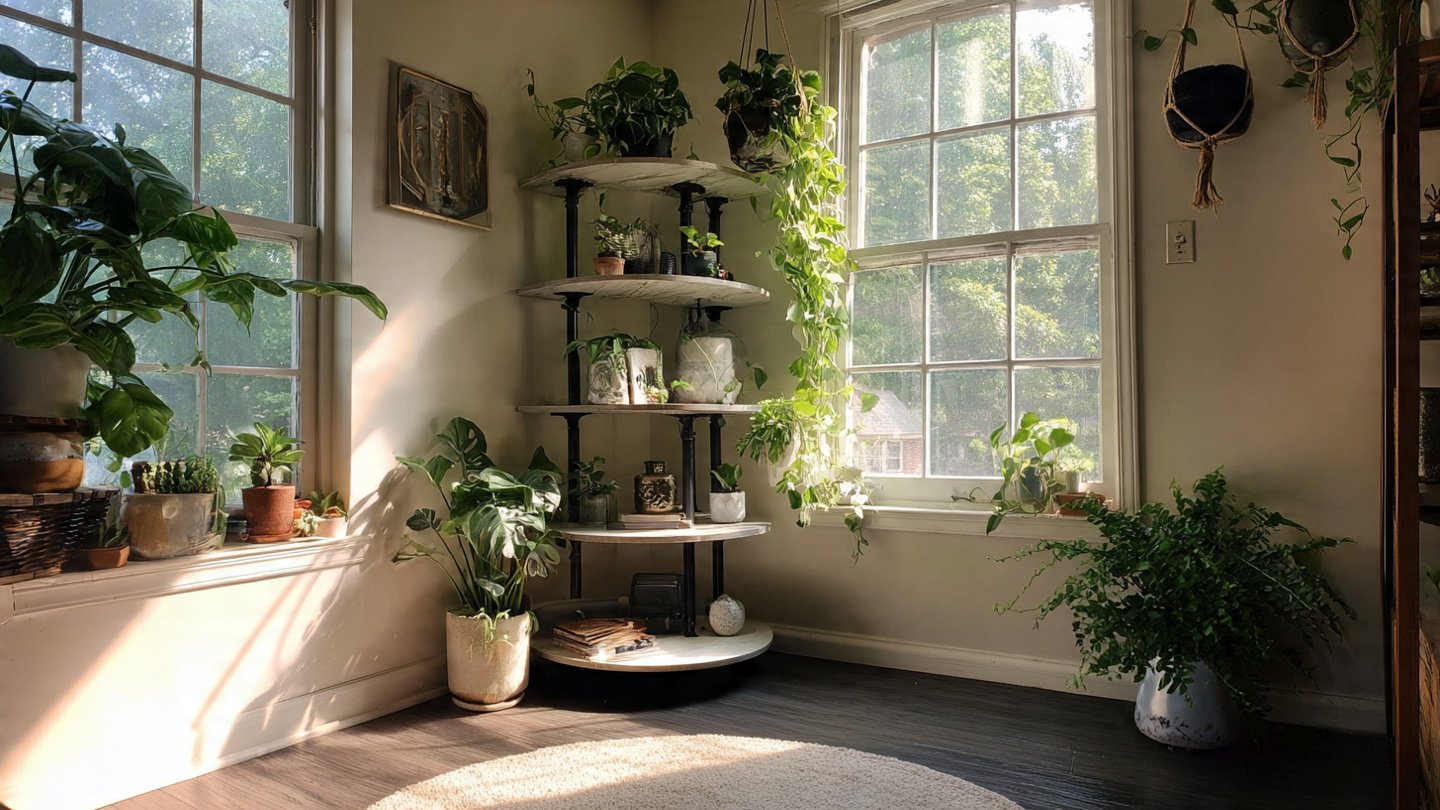
Creating a beautiful and inviting space in your home or garden may sometimes seem daunting, especially if you have limited area to work with. Utilizing a corner with a tiered plant stand can be a fantastic way to maximize vertical space while introducing greenery that enhances the aesthetics of the room or outdoor area. This article provides an in-depth look at the benefits and methods of transforming any corner with a tiered plant stand display.
Understanding the Benefits of a Tiered Plant Stand
A tiered plant stand serves multiple purposes:
- Maximizes Space: It utilizes vertical space, allowing you to display numerous plants in a smaller footprint.
- Aesthetically Pleasing: A plant stand can create a focal point in a room or garden, adding visual interest.
- Enhanced Plant Care: Allows for better light exposure and air circulation among plants, promoting healthier growth.
- Easy Maintenance: Grouping plants makes watering and care more manageable.
Choosing the Right Plant Stand
Not all plant stands are created equal; selecting the right one depends on various factors:

- Material: Choose from wood, metal, plastic, or a combination. Each has unique aesthetic and practical advantages.
- Size: Consider the available space in your corner. Measure your area to determine the best dimensions for a stand that fits comfortably.
- Style: Your personal style and the décor of your room or garden will dictate what design and color will best suit your space.
- Capacity: Ensure the stand can support the number and weight of the plants you intend to place on it.
Types of Plants to Consider
When choosing plants for a tiered display, consider those that thrive in similar conditions (light and humidity) and those that vary in height and foliage:
- Trailing Plants: Consider plants like pothos or string of pearls that can drape over the edges, creating a cascading effect.
- Accent Plants: Use taller plants, such as snake plants or fiddle leaf figs, at the back or top tier to create height.
- Colorful Foliage: Mix plants with different colored leaves, like variegated peace lilies or red aglaonemas, to add depth.
- Flowering Plants: Add seasonal flowering plants such as begonias or petunias for bursts of color throughout the year.
Designing Your Plant Stand Display

1. Arrangement Planning
Before placing your plants, sketch a rough layout of your arrangement. Start with the tallest plants, placing them at the top tier, and gradually transitioning to shorter ones. Keep in mind:
- Place larger plants at the back or top to prevent blocking light from smaller ones.
- Consider plant color and texture to create a visually appealing display.
2. Layering with Accessories
Accessorize your tiered plant stand for added interest:
- Pots: Choose pots that complement or contrast with each other in color and texture.
- Decorative Stones: Adding stones or pebbles can bring earthiness to the display.
- Lighting: Incorporating lighting, like fairy lights, can enhance evening ambiance.
3. Maintenance Considerations

Maintain an easy care routine to keep your plants thriving:
- Watering: Ensure each tier has easy access for watering without the risk of drenching plants below.
- Fertilizing: Use a balanced fertilizer periodically to promote healthy growth.
- Pruning: Regular pruning may be necessary, especially for trailing plants that could overwhelm the stand.
Incorporating the Tiered Plant Stand into Your Decor
The integration of a tiered plant stand into your decor can significantly uplift a space:
- Indoor Settings: Position your plant stand in a well-lit corner of the living room, hallway, or kitchen for a fresh, inviting look.
- Outdoor Spaces: In gardens or patios, plant stands can become focal points amidst flower beds or rockeries.
- Seasonal Changes: Change the plant arrangements seasonally to maintain interest. Use seasonal selections, such as pumpkins for fall or succulents for summer.
Examples of Beautiful Tiered Plant Stand Displays

To provide inspiration, consider these examples:
- A wooden tiered stand in a rustic kitchen filled with herbs like basil, thyme, and mint for easy cooking access.
- A sleek metal stand in a contemporary living room featuring an array of green plants alongside colorful decorative pots.
- A three-tiered stand on a balcony adorned with trailing petunias, vibrant geraniums, and lush fern plants for a cascading effect.
Conclusion
Transforming a corner with a beautiful tiered plant stand display can invigorate your space, creating a lush, inviting atmosphere suitable for indoor or outdoor settings. By selecting the right stand, carefully choosing your plants, and arranging them thoughtfully, you can enjoy a stunning showcase of nature, breathe life into any corner, and enhance your overall decor. Whether for personal joy or a welcoming environment for guests, a tiered plant stand is a versatile choice for any plant lover.
FAQs
1. How do I choose the best plant for my tiered stand?
Consider the light conditions in your space, the size of your stand, and how much maintenance you’re willing to undertake. Group plants with similar care requirements.
2. Can I make my own tiered plant stand?
Absolutely! DIY tiers can be created from materials like wood or repurposed items such as old ladders, shelves, or crates, allowing customization to fit your style.
3. How do I ensure my plants receive enough light?
Position the tiered stand in a location where it receives natural light, or consider using grow lights if natural light is limited.
4. What do I do if my plants outgrow the stand?
Repot them in larger containers as necessary, or rotate them out for smaller plants to maintain a fresh display.