Introduction
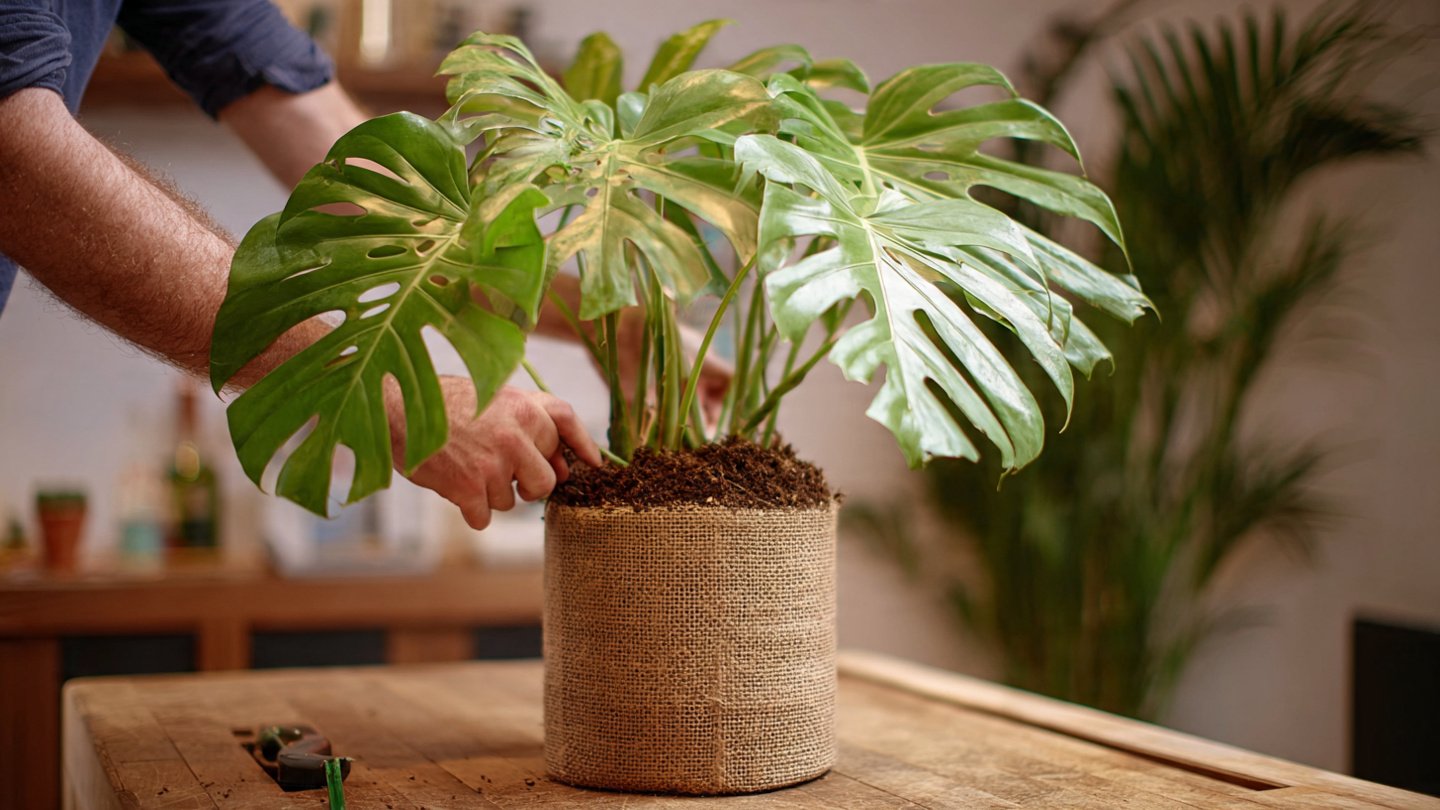
Repotting a large Monstera plant can seem daunting, especially if you are doing it alone. However, with the right preparation, tools, and techniques, you can successfully transit your beloved green companion into a new pot. This guide will provide you with step-by-step instructions, tips, and precautions to ensure the health and longevity of your Monstera during this process.
Why Repot Your Monstera?
Repotting is essential for the health and growth of your Monstera. Over time, plants outgrow their containers due to root expansion and nutrient depletion in the soil. Here are some key reasons for repotting:
- Root Bound: If you notice roots growing through the drainage holes, it’s a telltale sign that your Monstera needs to move to a larger space.
- Nutrient Depletion: Soil can lose its vitality over time. Fresh soil will provide new nutrients for your plant’s growth.
- Fungal or Pest Issues: If you notice signs of pests or disease, repotting is an excellent opportunity to address these issues by replacing old soil.
- Improved Drainage: A new pot and fresh soil can enhance drainage, preventing overwatering and root rot.
Choosing the Right Time

The best time to repot your Monstera is during the growing season, which typically spans from spring to early summer. This timing allows the plant to recover quickly and adapt to its new environment. Additionally, it’s best to avoid repotting during dormancy in late fall or winter.
Gather Your Supplies
Before you begin, make sure you have all the necessary tools and materials ready. This will make the process smoother and more efficient.
- New Pot: Choose a pot that is 2-4 inches larger in diameter than the current one, with adequate drainage holes.
- Potting Mix: A well-draining potting mix, often one specifically designed for tropical plants, is best for Monsteras.
- Gardening Gloves: Protect your hands while handling soil and plant material.
- Watering Can: Hydrate your plant before and after repotting.
- Small Trowel or Spade: Useful for transferring soil and adjusting the plant’s position in its new pot.
- Support Stakes (optional): Help to stabilize your Monstera if it’s tall or leggy.
Steps to Successfully Repot Your Monstera

1. Prepare Your Monstera
Begin by thoroughly watering your Monstera a day before repotting. This helps to soften the soil and reduces stress on the roots during the transition. Leave the plant in its original pot to absorb moisture until you are ready to repot.
2. Select and Prepare the New Pot
Pick a new pot that is slightly larger than the current one. Ensure it has drainage holes at the bottom. If you wish, you can line the bottom with small stones or broken pot pieces for added drainage. Add a layer of fresh potting mix into the new pot, filling it to about one-third full.
3. Remove the Monstera from Its Current Pot
Carefully tip your Monstera on its side and gently tug on the base of the plant to loosen it from its pot. If it’s root-bound, it may take a little effort to free the roots. Avoid tugging on the leaves, as this can cause damage. You may need to wiggle the pot gently while participating in this step.
4. Inspect the Roots
Once the plant is out, inspect the roots for any signs of rot or damage. Healthy roots are firm and white or light tan. Trim any mushy, brown roots with sterilized scissors to promote healthy growth.
5. Position the Monstera in the New Pot

Place the plant in the center of the new pot, ensuring that it’s standing upright. The top of the root ball should be about an inch below the rim of the pot, allowing room for watering. Adjust potting mix as needed to elevate the plant to the correct height.
6. Fill with Potting Mix
Gradually add fresh potting mix around the roots, pressing lightly to eliminate air pockets. Be careful not to compact the soil too much, as Monsteras prefer airy, well-draining conditions. Leave a little space at the top to accommodate watering.
7. Water the Plant
After filling the pot, water the Monstera thoroughly until water drains from the bottom. This will help settle the soil around the roots. Be cautious not to overwater; wait until the top of the soil is dry before watering again.
Post-Repotting Care
After repotting, your Monstera may need extra care as it adjusts to its new environment:
- Placement: Keep the plant in a warm spot with indirect sunlight for about a week to help it acclimate.
- Humidity: Increase humidity around the plant by misting or positioning a humidifier nearby.
- Monitor Water Needs: Since your Monstera has a fresh pot and soil, it may need less frequent watering initially. Observe the moisture levels and adjust accordingly.

Conclusion
Repotting a large Monstera alone may appear intimidating, but following the steps outlined here can make the process manageable and even enjoyable. A fresh pot offers the opportunity for your plant to thrive and reach its full potential. Remember to be gentle and patient, as this transition period is crucial for your Monstera’s health and happiness. With some care and attention, your Monstera will flourish in its new home.
FAQs
How often should I repot my Monstera?
Typically, you should repot your Monstera every 1-2 years, or when it becomes root-bound or shows signs of nutrient depletion.
What type of soil is best for Monsteras?
A well-draining potting mix rich in organic matter is ideal for Monsteras. Consider using a blend designed for tropical or aroids plants.
Can I repot my Monstera during winter?

It is advisable to avoid repotting during winter when the plant is dormant. Spring and early summer are the best times for repotting.
Is it normal for my Monstera to droop after repotting?
Yes, some drooping is normal as the plant adjusts. Ensure you provide adequate moisture and the right environment for recovery.
What should I do if my Monstera’s roots are damaged?
Trim any damaged or rotten roots with sterilized scissors. Repot the plant in fresh soil, and monitor it closely for signs of recovery.