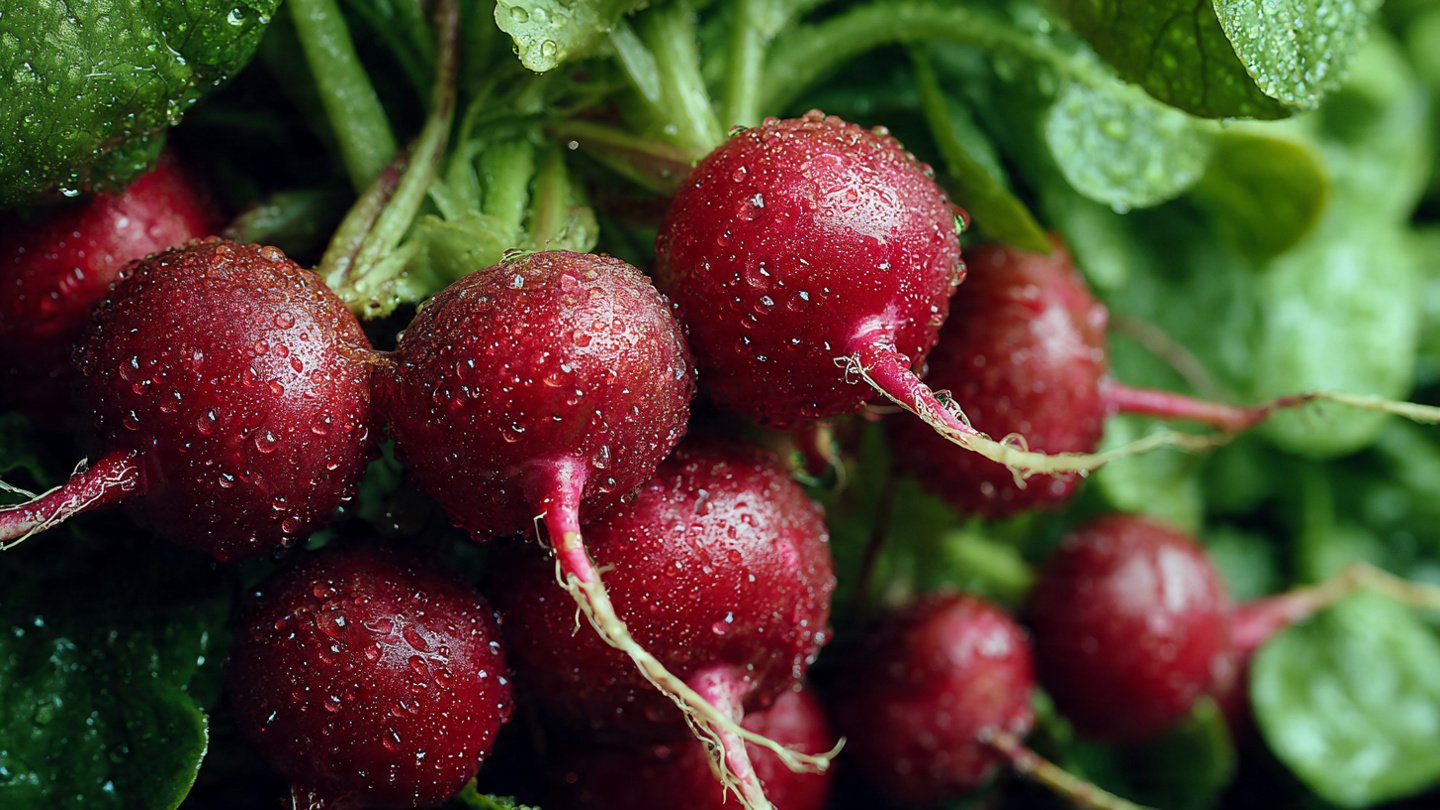
How Can You Successfully Grow Your Own Radishes for a Fresh Salad?
Growing your own radishes is one of the most rewarding experiences for both novice and experienced gardeners. Known for their crisp texture and peppery flavor, radishes are a versatile vegetable that can elevate any salad. Moreover, they can be ready for harvest in as little as three to four weeks, making them perfect for quick gardening satisfaction. This article will guide you through the entire process of successfully growing radishes, from selecting the right variety to harvesting and enjoying them in a fresh salad.
1. Choosing the Right Variety
Radishes come in many varieties, each with unique flavors and textures. Some of the most popular types include:
- Cherry Belle: A round, red radish that matures quickly.
- French Breakfast: An elongated, mild-flavored radish, typically white with a pink blush.
- Daikon: A large, white radish popular in Asian cuisine.
- Black Radish: A spicy variety that adds distinct flavor to salads.
When selecting a variety, consider your climate, taste preferences, and how you plan to use them in your dishes.

2. Preparing the Soil
Radishes thrive in well-drained, loose soil rich in organic matter. Follow these steps to prepare your garden bed:
- Choose a Location: Pick a sunny spot that gets at least six hours of sunlight per day.
- Loosen the Soil: Use a garden fork or tiller to break up compacted soil, making it easier for the radish roots to grow.
- Add Organic Matter: Mix in compost or well-rotted manure. This will enhance soil fertility and drainage.
- Test pH Levels: Radishes prefer a slightly acidic to neutral pH (around 6.0 to 7.0). You can adjust pH by adding lime or sulfur as needed.
3. Planting Radishes
Timing is crucial when planting radishes. They are a cool-season crop and can be sown as soon as the soil is workable in early spring. Follow these guidelines:
- Sowing Seeds: Plant seeds about half an inch deep and one inch apart in rows spaced 12 to 18 inches apart.
- Water Gently: After sowing, water the seeds gently but thoroughly to avoid washing them away.
- Thinning Seedlings: Once seedlings are 1-2 inches tall, thin them to ensure proper spacing. A good rule of thumb is to leave about 2-3 inches between each radish.

4. Caring for Your Radishes
Proper care is essential for healthy growth. Here are some tips to keep your radishes flourishing:
- Watering: Radishes need consistent moisture, especially during dry spells. Aim for about an inch of water per week.
- Weeding: Keep the area around your radish plants weed-free, as weeds compete for nutrients and water.
- Fertilizing: While radishes don’t require much fertilizer, you can apply a balanced fertilizer according to package instructions if your soil is poor.
5. Monitoring for Pests and Diseases
Although radishes are relatively resistant, they can still fall prey to pests such as:
- Flea Beetles: Small, jumping beetles that chew small holes in leaves. Use row covers or organic insecticides to protect your plants.
- Root Maggots: These can distort radish roots. Practice crop rotation and avoid planting near other Brassicas.

Common diseases include powdery mildew and downy mildew, which thrive in damp conditions. Ensuring proper air circulation and avoiding overhead watering can help mitigate these issues.
6. Harvesting Radishes
Radishes are typically ready for harvest between 25 and 70 days after planting, depending on the variety. Here’s how to tell when they’re ready:
- Check the Size: The bulb should be firm and a suitable size for the variety you’re growing.
- Color: Most radishes will display vibrant colors when ready.
- Pulling: Gently pull the radish from the soil by the greens. If they resist, it might need more time.
7. Enjoying Your Fresh Radishes
Once you’ve harvested your radishes, it’s time to enjoy them:
- Salads: Slice them into salads for a refreshing crunch.
- Pickled: Consider pickling radishes for an added tangy flavor.
- Roasted: Roasting radishes brings out their natural sweetness.
Conclusion
Growing your own radishes not only provides a satisfying gardening experience but also enhances your meals with fresh, homegrown produce. By understanding the specifics of planting, caring for, and harvesting radishes, you can ensure a bountiful crop that makes for delicious salads. So gather your seeds, prepare your soil, and start your journey toward fresh, crisp radishes today!
FAQs
1. How often should I water radishes?
Radishes need about one inch of water per week. Water more frequently during dry spells to ensure consistent moisture.
2. Can I grow radishes in containers?
Yes, radishes can be successfully grown in containers. Ensure the container is at least 6-8 inches deep to accommodate root growth.
3. What companions should I plant with radishes?

Radishes grow well alongside plants like lettuce, carrots, and spinach. Avoid planting them near other Brassicas.
4. Why are my radishes tasting bitter?
Bitter radishes can result from stress factors such as insufficient water or nutrients. Maintain consistent care to ensure a pleasant flavor.
5. How can I store radishes after harvesting?
Store radishes in the refrigerator, ideally in a plastic bag with a damp paper towel to maintain moisture. They can last up to a week.