Introduction
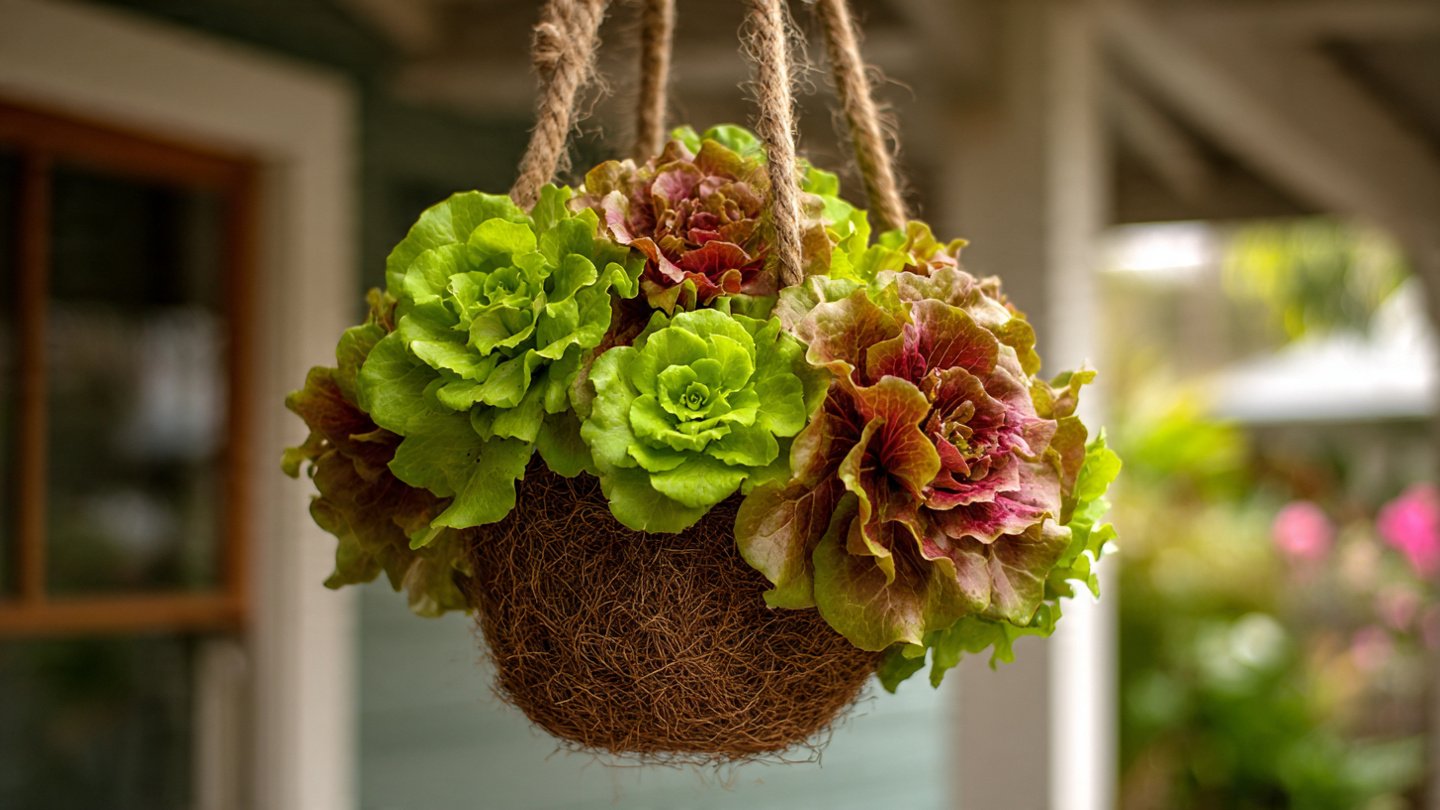
Growing lettuce in a hanging basket is an innovative and space-efficient way to enjoy fresh greens right at your home. Whether you have limited garden space or want a decorative addition to your porch or patio, this method is both practical and visually appealing. In this article, we’ll explore the best practices for successfully cultivating lettuce in a hanging basket, covering everything from selecting the right varieties to care tips and potential challenges.
Choosing the Right Lettuce Varieties
When it comes to growing lettuce in a hanging basket, not all varieties will thrive. Here are some suitable options:
1. Leaf Lettuce
Leaf varieties, such as Romaine and Butterhead, are great choices as they produce loose leaves rather than a tight head. Leaf lettuce grows quickly and can be harvested multiple times without damaging the plant.
2. Miniature Varieties
Look for miniature or small-bolted varieties that are specifically bred for container or small-space gardening. These include:
- Tom Thumb: A small butterhead variety that is perfect for hanging baskets.
- Red Romaine: Offers an attractive color and is easy to grow.

3. Herbs and Lettuce Mixes
Consider intermixing your lettuce with herbs such as basil or chives. This not only maximizes space but also may deter pests. A mixed basket of herbs and lettuce can create an attractive, flavorful option.
Selecting the Right Hanging Basket
1. Size Matters
Choose a hanging basket that is at least 10 inches deep. This depth allows for root development while providing enough soil to retain moisture, which is critical for lettuce.
2. Material
Hanging baskets come in various materials, including plastic, wood, and clay. Plastic baskets are lightweight and retain moisture better, but ensure they have sufficient drainage holes. Clay baskets are more aesthetically pleasing but may dry out faster.
3. Lining the Basket
Line your basket with a biodegradable coconut coir or sphagnum moss. This not only helps retain moisture but also provides good drainage and aeration for the roots. Alternatively, you can use geo-textiles or landscape fabric.
Soil Preparation
1. Use Quality Potting Mix
Opt for a high-quality, organic potting mix that is light and well-draining. Avoid using garden soil, as it can compact and hinder root growth.

2. Enriching the Soil
To enhance the growing medium, consider adding:
- Compost: This will provide essential nutrients.
- Perlite or Vermiculite: These amendments improve drainage and aeration.
Mix in a slow-release fertilizer according to the package directions, as lettuce is a nutrient-hungry plant.
Planting Your Lettuce
1. Timing
The best time to plant lettuce in hanging baskets is during the cooler months of spring or fall. Lettuce thrives in temperatures between 60°F and 70°F. In particularly hot climates, consider planting in the early morning or late afternoon during summer to avoid stress on the plants.
2. Sowing Seeds or Transplanting
You can either sow seeds directly into the basket or transplant seedlings. If sowing seeds:

- Spacing: Scatter seeds thinly over the surface and lightly cover with soil, as they require light for germination. Maintain a spacing of 2-4 inches between seeds depending on the variety.
If transplanting seedlings:
- Nestle the roots: Create holes in the soil, gently place the seedlings, and cover the root area cautiously without compacting the soil too much.
3. Watering After Planting
After planting, water the basket thoroughly, ensuring that moisture reaches the roots. Overhead watering can displace seeds, so consider bottom watering, where you allow the basket to soak in a tray for optimal hydration.
Light Requirements
1. Optimal Sunlight
Lettuce prefers full sun, requiring about 6-8 hours of sunlight daily. If you live in a region with extreme heat, provide some light shade during the hottest part of the day to prevent bolting (premature flowering) and bitterness in the leaves.
2. Positioning Your Basket
Hang your baskets in a location that receives morning sun but is shaded during the hot afternoon, if possible. If you’re growing indoors, consider using grow lights to supplement natural light.

Watering and Fertilizing
1. Maintaining Soil Moisture
Lettuce requires consistent moisture, so check the soil frequently. The top inch should be moist but not waterlogged. Over-watering can lead to root rot, while underwatering can cause bitterness and stress in the plants.
2. Fertilizing Schedule
Fertilize every 4-6 weeks with a balanced liquid fertilizer or a slow-release organic option. Maintain a nutrient regime that promotes leafy growth rather than flowering.
Pest Management
In a hanging basket, it’s easier to keep an eye on pests. Common nuisances include aphids, slugs, and snails. Here are some management strategies:
1. Introduce Beneficial Insects
Encourage natural predators like ladybugs or lacewings, which can help control pests.
2. Homemade Solutions
Spray a solution of water and mild soap on affected areas to deter pests. Ensure that you rinse the leaves after a few hours to prevent soap buildup.

3. Manual Removal
For larger pests such as slugs, handpick them in the evening when they are most active. Placing a layer of coarse material like sand or eggshells can deter their movement around the basket.
Harvesting Your Lettuce
1. Timing Your Harvest
Begin harvesting leaf lettuce when the leaves are large enough to eat, usually when they’re 4-6 inches long. Regular harvesting encourages new growth.
2. Method of Harvest
Use scissors to cut the leaves instead of pulling them from the plant. Leave at least one-third of each plant to ensure it continues to grow.
3. Avoiding Bolting
Once lettuce begins to bolt (produce flowers), the leaves will become bitter. To delay this, ensure consistent watering and consider harvesting leaves prior to bolting.
Conclusion
Growing lettuce in a hanging basket can be an enjoyable and rewarding endeavor. By choosing the right varieties, preparing your soil, and providing the right care, you’ll be able to enjoy fresh lettuce right at your doorstep. Not only does this method maximize space, but it adds beauty to your outdoor or indoor environment. With a little attention and love, you can cultivate a thriving basket of vibrant greens, all while basking in the satisfaction of homegrown produce. Happy gardening!