Introduction
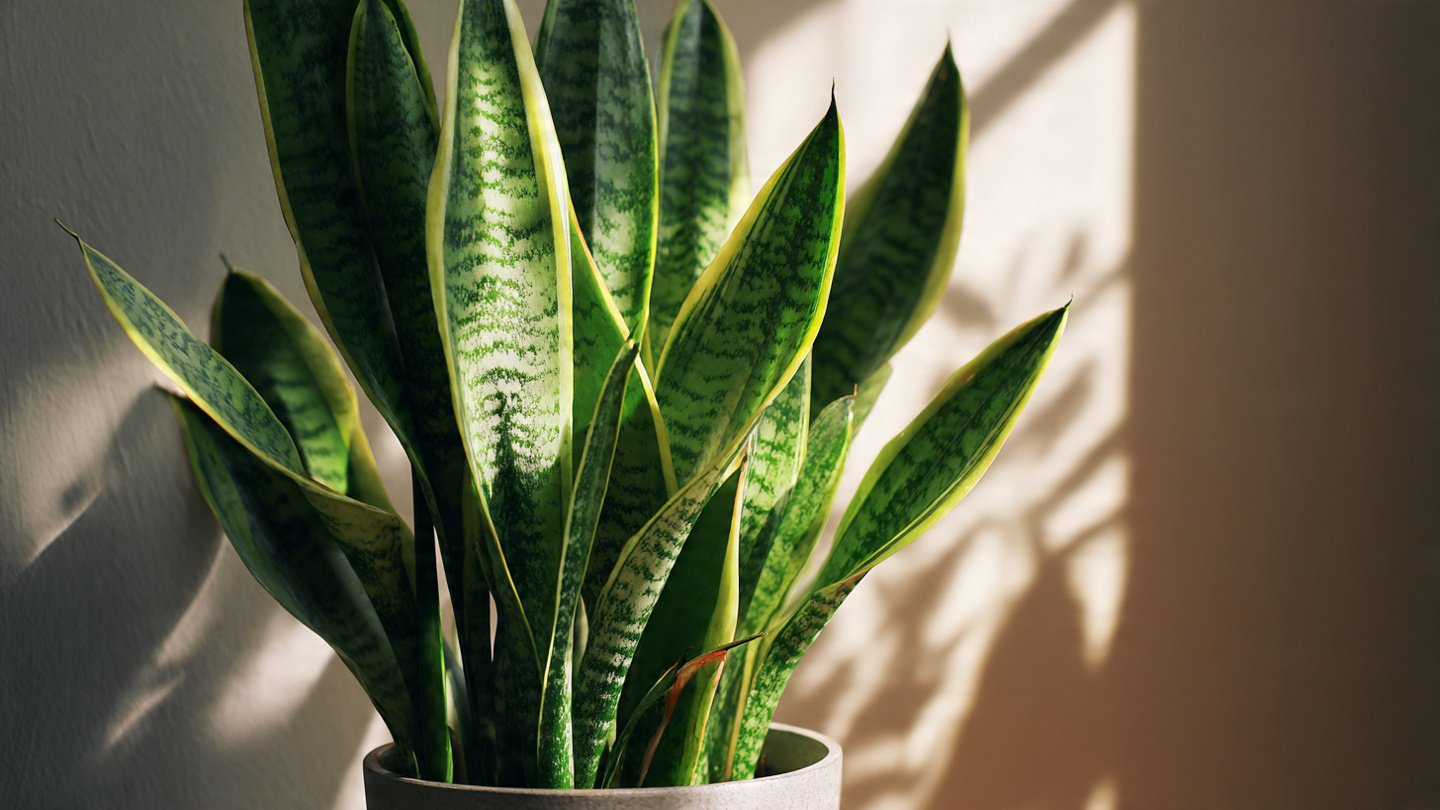
Are you a plant enthusiast looking to propagate your snake plant? Do you want to know how to grow a snake plant from just a single leaf cutting? Snake plants, scientifically known as Sansevieria, are among the most resilient houseplants and can thrive with minimal care. In this article, we’ll explore the steps needed to successfully grow a snake plant from a leaf cutting, and share tips for ensuring your new plant thrives.
What You Need
Before we dive into the propagation process, it’s essential to gather the necessary materials. Here’s a list of what you’ll need:
- A healthy snake plant
- Sharp, clean scissors or a knife
- Potting soil
- A small pot with drainage holes
- Water
- Optional: rooting hormone

Steps to Propagate a Snake Plant from Leaf Cutting
Step 1: Selecting the Right Leaf
The first step in propagating a snake plant from a leaf cutting is to select a healthy leaf. Look for a leaf that is firm, vibrant in color, and free from any signs of damage or disease. Avoid selecting older or damaged leaves, as they may not root well. Ideally, you should choose a leaf that is at least six inches long.
Step 2: Taking the Cutting
Using sharp, clean scissors or a knife, make a clean cut at the base of the selected leaf. Aim to cut the leaf at an angle rather than straight across, as this will help increase the surface area for rooting. Once cut, allow the leaf cutting to sit in a warm area for 24-48 hours to form a callus over the cut end. This step is vital, as it helps prevent rot when you place the cutting in soil.

Step 3: Optional – Using Rooting Hormone
While not strictly necessary, applying a rooting hormone to the cut end of the leaf can promote faster root development. Dip the cut end into the rooting hormone and gently tap off any excess. This will help stimulate root growth and improve your chances of success.
Step 4: Planting the Cutting
Once your cutting has formed a callus, it’s time to plant. Fill your small pot with well-draining potting soil, and make a hole in the center with your finger or a pencil for the leaf cutting. Place the leaf cutting upright in the hole, ensuring that the cut end is buried about one inch deep. Gently pack the soil around the cutting to hold it in place.
Step 5: Watering
After planting, give the leaf cutting a light watering. Be sure not to overwater; snake plants prefer to dry out between watering. Watering should be minimal until you see signs of new growth. Keep the soil barely moist, not soggy, as excessive moisture can lead to root rot.

Step 6: Providing the Right Environment
Place your pot in a warm, bright location but out of direct sunlight. Snake plants can tolerate low light, but bright indirect light is optimal for faster growth. Ensure the area is also well-ventilated to promote air circulation, which will contribute to healthy root development.
Step 7: Patience is Key
It can take anywhere from a few weeks to a few months for roots to develop and new growth to emerge from your snake plant cutting. During this time, resist the temptation to disturb the cutting, as this can slow down the rooting process. Check the soil moisture weekly, and adjust your watering schedule as needed.
Monitoring Growth
As time passes, you should start to notice new growth emerging from the top of your cutting. Once this occurs, you can gradually increase your watering, making sure not to let the soil completely dry out. Your snake plant cutting is now transitioning into a healthy plant.
Conclusion

Successfully growing a snake plant from just one leaf cutting is an achievable and rewarding process. By selecting a healthy leaf, properly taking the cutting, and providing the right care, you can propagate your snake plant with confidence. Remember to be patient and pay attention to your cutting’s needs. Before you know it, you’ll have a thriving new snake plant to enjoy in your home!
FAQs
1. How long does it take for a snake plant leaf cutting to root?
It can take anywhere from 2-8 weeks for a snake plant cutting to develop roots, depending on the environmental conditions and care you provide.
2. Can I propagate snake plants in water?
While it is possible to propagate snake plants in water, it is generally more successful to propagate them in soil. Water propagation can lead to rot or insufficient root development.

3. What should I do if my snake plant cutting isn’t growing?
If your cutting isn’t growing, check for signs of overwatering or underwatering. Ensure the cutting is in a suitable lighting condition and not in extreme temperatures.
4. Can I propagate multiple cuttings in one pot?
Yes, you can propagate multiple cuttings in one pot. Just ensure that you allow enough space between each cutting so they have room to grow.
5. How do I know when to repot my snake plant?
Repot your snake plant when it becomes root-bound or the roots start growing out of the drainage holes. Typically, repotting is needed every 2-3 years.