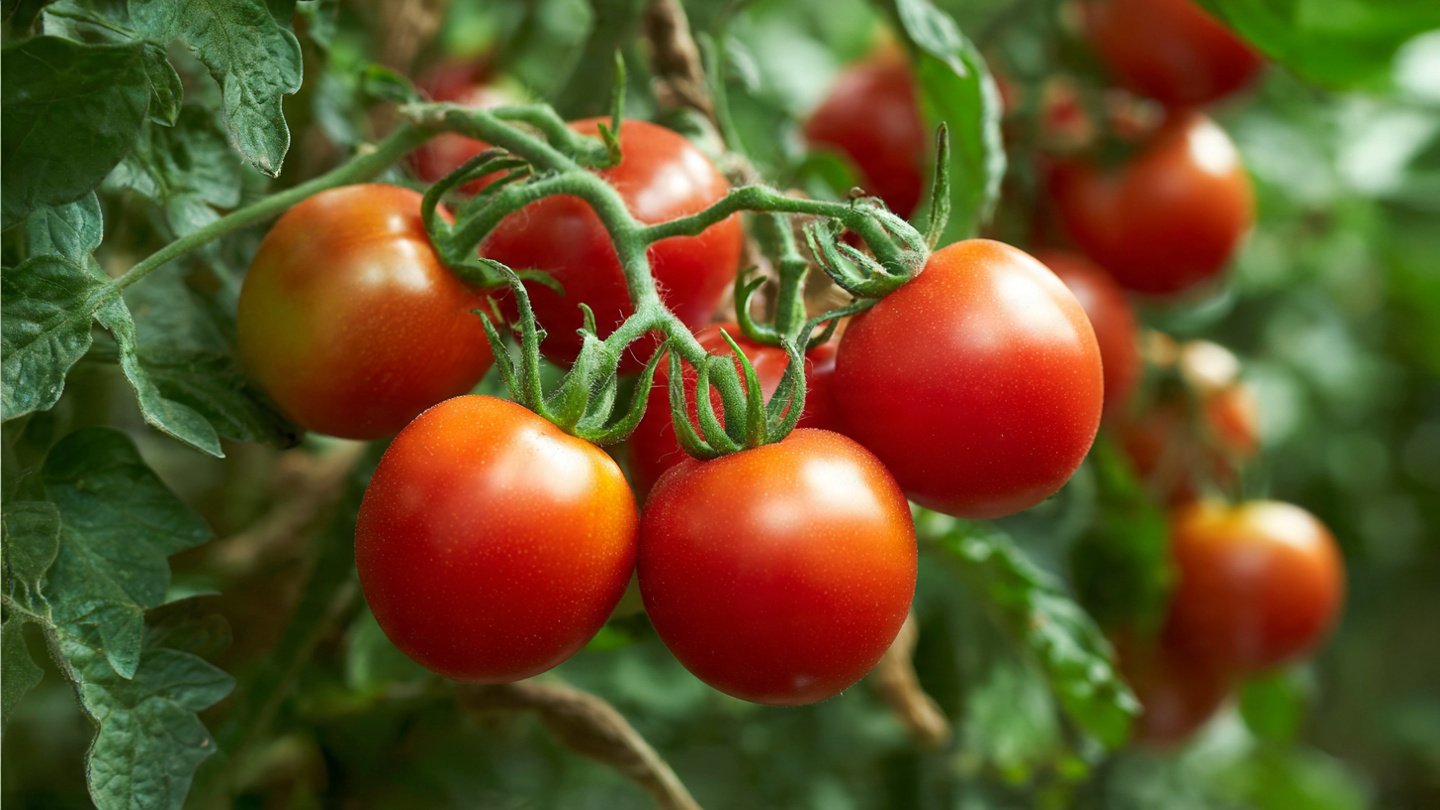
Growing your own tomatoes can be one of the most rewarding gardening experiences, especially when you transform them into a rich, flavorful pasta sauce. There’s something incredibly satisfying about picking ripe, juicy tomatoes from your garden and turning them into a meal. This guide will walk you through the process of growing tomatoes specifically for making delicious homemade pasta sauce.
Choosing the Right Tomato Variety
The first step in your tomato-growing journey is selecting the appropriate variety. For pasta sauce, consider these types:
- Roma Tomatoes: Known for their dense flesh and low moisture content, Roma tomatoes are ideal for sauces.
- San Marzano Tomatoes: These are recognized for their sweet flavor and are often considered the best for Italian cooking.
- Cherry Tomatoes: Although they have higher moisture content, they can be used to add a sweet note to your sauces.
- Beefsteak Tomatoes: These large tomatoes have a rich flavor and can be blended into a hearty sauce.
Preparing Your Garden
Once you’ve picked your tomato variety, it’s time to prepare your garden. Here’s a step-by-step guide:
1. Choose the Right Location
Tomatoes thrive in areas with plenty of sunlight—ideally, 6 to 8 hours per day. Scout for a location in your garden that meets these criteria and has well-drained soil.

2. Soil Preparation
Tomatoes prefer slightly acidic to neutral soil (pH 6.0 to 7.0). You can enrich your soil by mixing in compost or well-rotted manure. This not only improves soil fertility but also enhances drainage.
3. Planting Time
Plant your tomatoes after the last frost, when the soil has warmed up. Typically, this is in late spring, but it may vary depending on your location.
Planting Your Tomatoes
Follow these steps for planting your tomatoes successfully:
1. Seed or Seedling
You can start with seeds or healthy seedlings from a nursery. If you are starting from seeds, plant them indoors about 6-8 weeks before the last expected frost date.
2. Spacing
When planting, space your tomato plants about 18 to 24 inches apart. This allows good air circulation and room for growth.
3. Planting Technique
When planting, bury the seedlings deep into the soil, covering two-thirds of the stem. This encourages further root development, which helps the plant establish itself well.

Caring for Your Tomato Plants
Once your tomatoes are planted, they require proper care to thrive:
1. Watering
Tomatoes require consistent moisture. Water deeply and regularly, especially during dry periods. Aim for about 1-2 inches of water per week, ensuring that the soil remains moist but not waterlogged.
2. Fertilizing
About four weeks after planting, start fertilizing with a balanced fertilizer. Look for one that’s high in potassium and phosphorus, which boosts fruit production. Fertilize every 4-6 weeks during the growing season.
3. Staking or Caging
As your tomato plants grow, provide support by staking or caging them. This prevents the fruit from touching the ground and reduces the risk of disease.
4. Pruning
Prune your tomato plants by removing the suckers—small shoots that develop in the joints between the stem and branches. This helps the plant redirect its energy to fruit production, leading to larger tomatoes.
Harvesting Your Tomatoes

After months of care, it’s finally time to enjoy your bounty:
1. Ripeness Indicators
Tomatoes are ready to harvest when they are firm, fully colored, and slightly soft to the touch. For Roma and San Marzano varieties, the color should be a deep red.
2. Harvesting Technique
Use scissors or garden shears to cut the tomatoes from the vine to avoid damaging the plant. Be gentle and avoid squeezing the fruit.
Making Homemade Pasta Sauce
Now that you have your fresh tomatoes, it’s time to turn them into a delectable sauce. Here’s a simple recipe to get you started:
Ingredients:
- 2 pounds of ripe tomatoes (Roma or San Marzano)
- 2 tablespoons of olive oil
- 1 medium onion, finely chopped
- 3 cloves garlic, minced
- 1 teaspoon salt
- 1/2 teaspoon pepper
- 1 teaspoon dried basil
- 1 teaspoon dried oregano
- Fresh basil leaves (for garnish)

Instructions:
- Blanch the tomatoes in boiling water for about 30 seconds. Remove them and place them in ice water. This helps in peeling.
- Peel the skins off the tomatoes and chop them.
- In a pot, heat the olive oil over medium heat. Add the chopped onion and garlic, sautéing until they are soft and fragrant.
- Add the chopped tomatoes, salt, pepper, basil, and oregano. Bring to a simmer.
- Cook for about 30-45 minutes, stirring occasionally, until the sauce thickens to your desired consistency.
- Blend if a smoother sauce is preferred and serve over your choice of pasta.
Conclusion
Growing your own tomatoes for homemade pasta sauce is a gratifying venture that yields delicious results. With the right variety, proper care, and a straightforward recipe, you can create a garden-to-table experience that enhances any meal. Not only do homegrown tomatoes offer superior flavor, but the process of growing and harvesting them is an enriching journey. So grab your gardening tools, plant those tomatoes, and get ready to enjoy the incredible taste of homemade pasta sauce!
FAQs

1. How long does it take for tomatoes to grow?
Generally, it takes about 60 to 85 days from transplanting seedlings until the tomatoes are ready for harvest, depending on the variety.
2. Can I grow tomatoes in containers?
Yes! Tomatoes thrive in containers as long as they are large enough (at least 5 gallons) and have good drainage.
3. What if my tomatoes are not turning red?
Tomatoes need consistent warmth and sunlight to ripen. If they’re not turning red, ensure they receive enough sunlight and are not overwatered.
4. How do I store my tomatoes after harvesting?
Store them at room temperature away from direct sunlight. For longer storage, consider canning or making sauce and freezing it.
5. Can I use different herbs in my pasta sauce?
Absolutely! Feel free to experiment with herbs like thyme, rosemary, or parsley to customize your sauce to your taste.