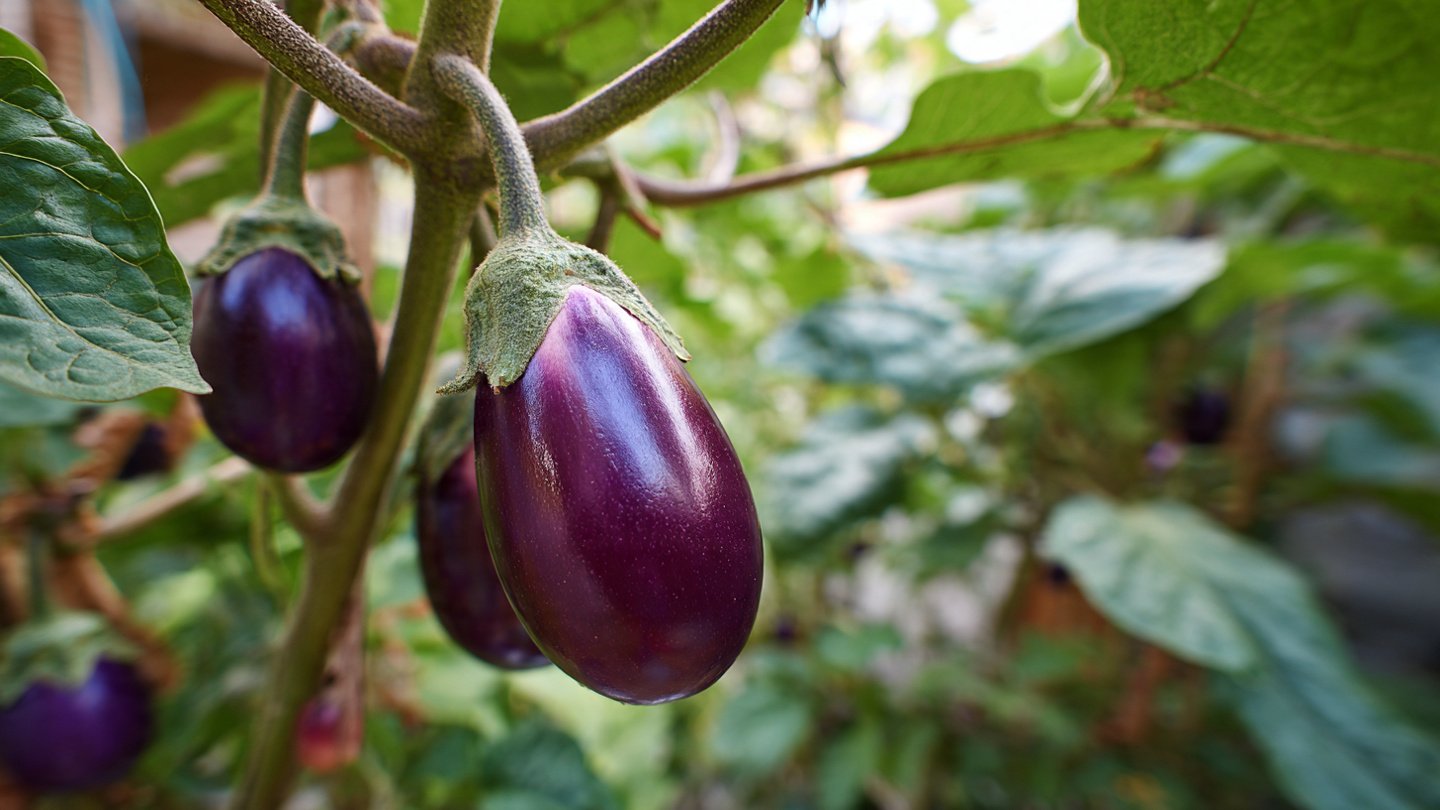
Eggplant, also known as aubergine, is a versatile vegetable that can elevate many dishes, particularly when making your own veggie parmesan. This article delves into the steps required to successfully cultivate eggplants in your garden or pots, as well as how to turn them into a delicious homemade vegetarian dish. By the end of this guide, you’ll be well-equipped to start your own eggplant garden and prepare a delightful veggie parmesan.
1. Choosing the Right Eggplant Variety
The first step in growing your own eggplant is selecting the right variety. Eggplants come in multiple shapes, sizes, and colors. Some popular types include:
- Black Beauty: This is a classic variety with a deep purple, glossy skin. It’s known for its rich flavor and smooth texture.
- Italian Eggplant: Slightly smaller than Black Beauty, this variety has fewer seeds and a sweeter taste, making it perfect for cooking.
- Japanese Eggplant: These slender, elongated eggplants are known for their delicate flavor and are often used in stir-fries.
- White Eggplant: A beautiful variety that is slightly milder than its purple counterparts.
Choose a variety based on your cooking preferences and climate conditions in your area.
2. Preparing the Soil
Eggplants thrive in rich, well-drained soil. Preparing your garden bed or container is crucial for healthy plant growth. Here’s how you can do it:

- Soil Type: Use loamy or sandy soil. If you’re using garden soil, enhance its quality by mixing in compost to improve drainage and nutrient levels.
- pH Levels: Eggplants prefer a soil pH between 6.0 and 7.0. Test your soil and amend as necessary with lime or sulfur to achieve the desired pH.
- Location: Select a sunny spot, as eggplants require at least 6-8 hours of sunlight daily. A south-facing garden bed or patio is ideal.
3. Starting Seeds
While you can buy seedlings from a nursery, starting your eggplant seeds indoors is a cost-effective way to ensure a plentiful harvest.
- When to Start: Begin your seeds about 8-10 weeks before the last expected frost date in your area.
- Seedling Process: Fill seed trays with seed-starting mix, plant seeds about half an inch deep, and water gently. Keep the trays in a warm area (70°F-80°F) to encourage germination.
- Transplanting: Once the seedlings have at least two sets of true leaves and are about 4-6 inches tall, they can be transplanted outdoors after the danger of frost has passed.
4. Transplanting Outdoors
When it’s time to move your seedlings outdoors, follow these steps:
- Hardening Off: Before transplanting, gradually acclimatize your seedlings to outdoor conditions over a week. Start with a few hours of exposure to the sun, gradually increasing their time outside.
- Spacing: Transplant your seedlings into the garden bed or larger pots, spacing them about 18-24 inches apart to allow for adequate growth.
- Watering: Water thoroughly after planting to help settle the roots. Regular watering is essential, especially during dry spells.

5. Caring for Your Eggplant Plants
Proper care is vital for healthy eggplant growth. Here are some tips:
- Fertilizing: Feed your plants with a balanced slow-release fertilizer. Apply a high-potassium fertilizer during the flowering stage to encourage fruit development.
- Pest Control: Watch out for common pests like aphids, flea beetles, and spider mites. Use neem oil or insecticidal soap as an organic treatment.
- Watering: Eggplants need consistent moisture. Water deeply once a week, and more frequently in hot weather.
6. Harvesting the Eggplants
Knowing when to harvest your eggplants can profoundly impact your dish’s taste and texture. Follow these guidelines:
- Timing: Eggplants are typically ready for harvest about 70-80 days after transplanting. The skin should be shiny and firm when ripe.
- Cutting: Use a sharp knife to cut the stem, leaving a small part attached to the fruit to prevent damage.
- Storage: Store harvested eggplants in a cool place, preferably in the refrigerator, and use them within a week for best flavor.

7. Making Homemade Veggie Parmesan
Now that you’ve grown your own eggplants, it’s time to cook. Here’s a simple recipe for delicious homemade veggie parmesan:
Ingredients
- 2 medium eggplants
- 1 cup all-purpose flour
- 2 cups breadcrumbs
- 1 cup grated Parmesan cheese
- 2 cups marinara sauce
- 1 cup shredded mozzarella cheese
- Salt and pepper to taste
- Olive oil for frying
Instructions
- Preheat the oven to 375°F (190°C).
- Slice eggplants into 1/4-inch thick rounds. Sprinkle with salt and let them sit for about 30 minutes to draw out excess moisture.
- Rinse and pat dry. Set up a breading station by placing flour, breadcrumbs mixed with Parmesan, and a bowl for beaten eggs.
- Dredge each eggplant slice first in flour, then dip in beaten egg, and finally coat with the breadcrumb mixture.
- Heat olive oil in a skillet over medium heat. Fry eggplant slices until golden brown on both sides. Drain on paper towels.
- In a baking dish, spread a layer of marinara sauce, then layer fried eggplant, more marinara, and mozzarella. Repeat layers until all ingredients are used, finishing with cheese on top.
- Bake for about 30-35 minutes or until bubbly and golden brown.
- Let it cool slightly before serving. Enjoy your fresh and homemade veggie parmesan!

Conclusion
Growing your own eggplants not only enriches your gardening experience but also enhances your culinary skills. By following the steps outlined in this guide, you’ll not only cultivate delicious eggplants but also create a delightful homemade veggie parmesan dish that showcases your gardening efforts. The satisfaction of harvesting your own produce and using it in your meals is truly unparalleled. Embrace the journey of growing eggplants, and enjoy the fruits (or vegetables) of your labor!
FAQs
Q1: Can I grow eggplants in containers?
A1: Yes, eggplants grow well in pots. Ensure the container has drainage holes and is large enough (at least 5 gallons) to accommodate the roots.
Q2: How do I know if my eggplants are overripe?
A2: Overripe eggplants will have dull skin, feel hard, and may have seeds that are brown. Harvest when skin is shiny and purple.

Q3: What should I do if my eggplants are not producing fruit?
A3: Ensure your plants are getting enough sun, water, and nutrients. Also, check for pests or diseases that may be affecting growth.
Q4: Is it necessary to peel eggplants before cooking?
A4: Peeling is optional. The skin is nutritious, but if it’s tough, you may choose to peel it for certain recipes.
Q5: Can I freeze eggplants for later use?
A5: Yes, blanching eggplants and then freezing them can preserve their flavor and texture. Be sure to let them cool first before storing them in airtight containers.