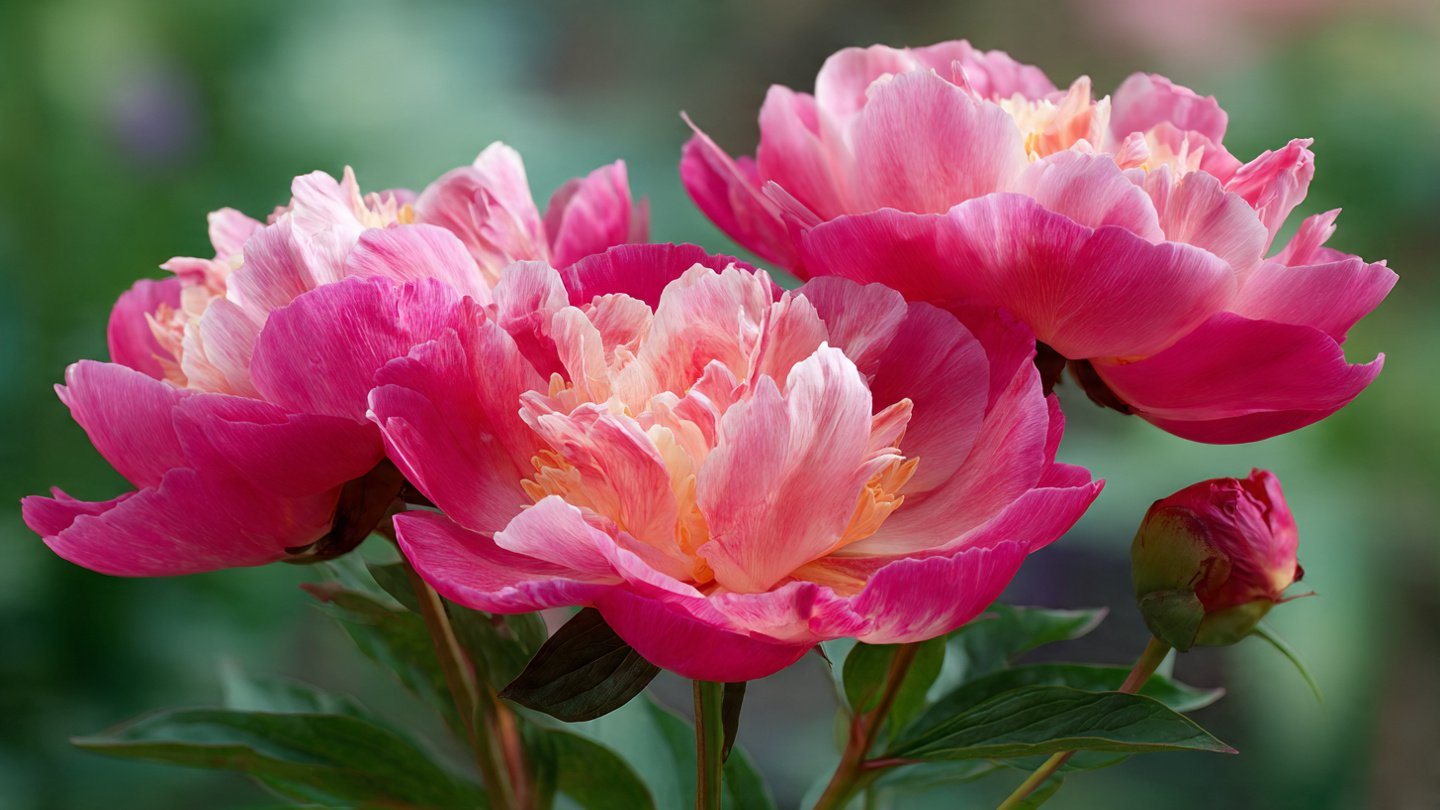
Peonies are beloved for their lush blooms and sweet fragrance. While they are commonly associated with cooler climates, it is possible to grow these exquisite flowers even in warmer regions. This guide will unveil the secrets to nurturing peonies in conditions that are often seen as unfavorable for their growth. Whether you’re a seasoned gardener or a beginner, follow these tips to cultivate perfect peonies in warm climates.
Understanding Peonies
Peonies (Paeonia) are perennial plants native to Europe, Asia, and North America. They are classified into several types, the most common being herbaceous, tree, and intersectional (or Itoh) peonies. Each type has its unique care requirements, but overall, peonies thrive in well-draining soil and require a certain number of chilling hours to bloom beautifully.
Choosing the Right Variety
Not all peonies are suited for warm climates. Here are some varieties that tend to perform better:
- Tree Peonies: These can handle warmer temperatures and may even thrive in southern regions. They have woody stems and can grow quite tall.
- Intersectional Peonies: A hybrid of herbaceous and tree peonies, they can withstand warm conditions and are known for their robustness and ability to bloom prolifically.
- Early-Flowering Herbaceous Peonies: Some early-flowering types do better in warmer climates; they mature before the heat peaks.
Optimal Growing Conditions
Peonies have specific needs to flourish, especially in warmer climates. Understanding these conditions will pave the way for success.

Soil Requirements
Peonies thrive in fertile, well-draining soil with a pH level between 6.0 and 7.0. Here’s how to prepare your soil:
- Add Organic Matter: Mix in compost or well-rotted manure to enrich the soil.
- Improve Drainage: If your soil retains water, add sand or perlite to enhance drainage. Peonies dislike sitting in wet soil.
Light and Temperature
Peonies thrive in full sun, requiring at least 6-8 hours of sunlight per day. However, in extremely hot climates, providing some afternoon shade can prevent wilting and sunburn. If temperatures regularly soar above 90°F (32°C), it’s essential to ensure adequate moisture and protection from direct sun during peak hours.
Watering Practices
Consistency is key when it comes to watering peonies. They prefer evenly moist soil but don’t like to be waterlogged. Here are some tips:
- Deep Watering: Water deeply and infrequently instead of daily, allowing the top inch of soil to dry out between waterings.
- Mulching: Apply organic mulch to retain moisture and suppress weeds.
Planting Peonies
Timing and technique are crucial for planting peonies, especially in warmer areas.

When to Plant
The best time to plant peonies in warm climates is in the fall, between September and November. This allows the roots to establish before the harsh summer heat arrives.
How to Plant
Follow these steps to plant peonies:
- Choose a site with good sunlight and well-draining soil.
- Dig a hole that is approximately 2 feet wide and deep.
- Mix the excavated soil with compost and refill the hole, creating a mound at the center.
- Place the peony root on top of the mound with the eyes (or growing points) facing up. Cover with soil so that the eyes are about 1-2 inches below the surface.
- Water thoroughly after planting and add mulch.
Care Throughout the Year
Caring for peonies involves a bit of routine, especially once they are established.
Fertilization
Feed your peonies in early spring with a balanced fertilizer to encourage growth. Avoid high-nitrogen fertilizers, as they can lead to lush foliage at the expense of flowers.

Pruning and Maintenance
Pruning is an essential part of peony care. Here’s how to maintain your plants:
- Deadheading: Remove spent flowers to encourage more blooms and prevent seed formation.
- Fall Cleanup: After the first frost, cut back the foliage to the ground to prevent diseases and pests.
Pest and Disease Management
While peonies are relatively pest-resistant, they can face issues like powdery mildew and botrytis blight. Regular monitoring and good air circulation can help prevent these problems. If necessary, use organic fungicides to treat any outbreaks.
Conclusion
Growing perfect peonies in warm climates may seem daunting, but armed with the right knowledge and techniques, you can enjoy their stunning blooms. Focus on choosing the right variety, preparing optimal conditions, and providing consistent care. By following these guidelines, you’ll have beautiful peonies that can withstand the heat and thrive in your garden.
FAQs
1. Can peonies survive in very hot climates?
Yes, certain varieties of peonies, such as tree peonies and intersectional peonies, thrive in warmer climates. Providing afternoon shade and proper watering techniques can also help them survive.

2. How do I know if my peonies are getting too much heat?
If the leaves are wilting, showing signs of sunburn, or color fading, your peonies may be suffering from excessive heat exposure. Ensure they receive adequate moisture and possibly shade.
3. Should I fertilize my peonies every year?
Yes, fertilizing in early spring each year can help promote healthy growth and blooms, but avoid high-nitrogen fertilizers that can encourage foliage over flower development.
4. When is the best time to plant peonies?
The best time to plant peonies in warm climates is in the fall to give them a chance to establish roots before the warm temperatures set in the following spring and summer.
5. How can I prevent pests from attacking my peonies?
Regularly inspect your plants for any signs of pests and maintain good air circulation around the plants. Using organic pest deterrents can also help manage infestations.
