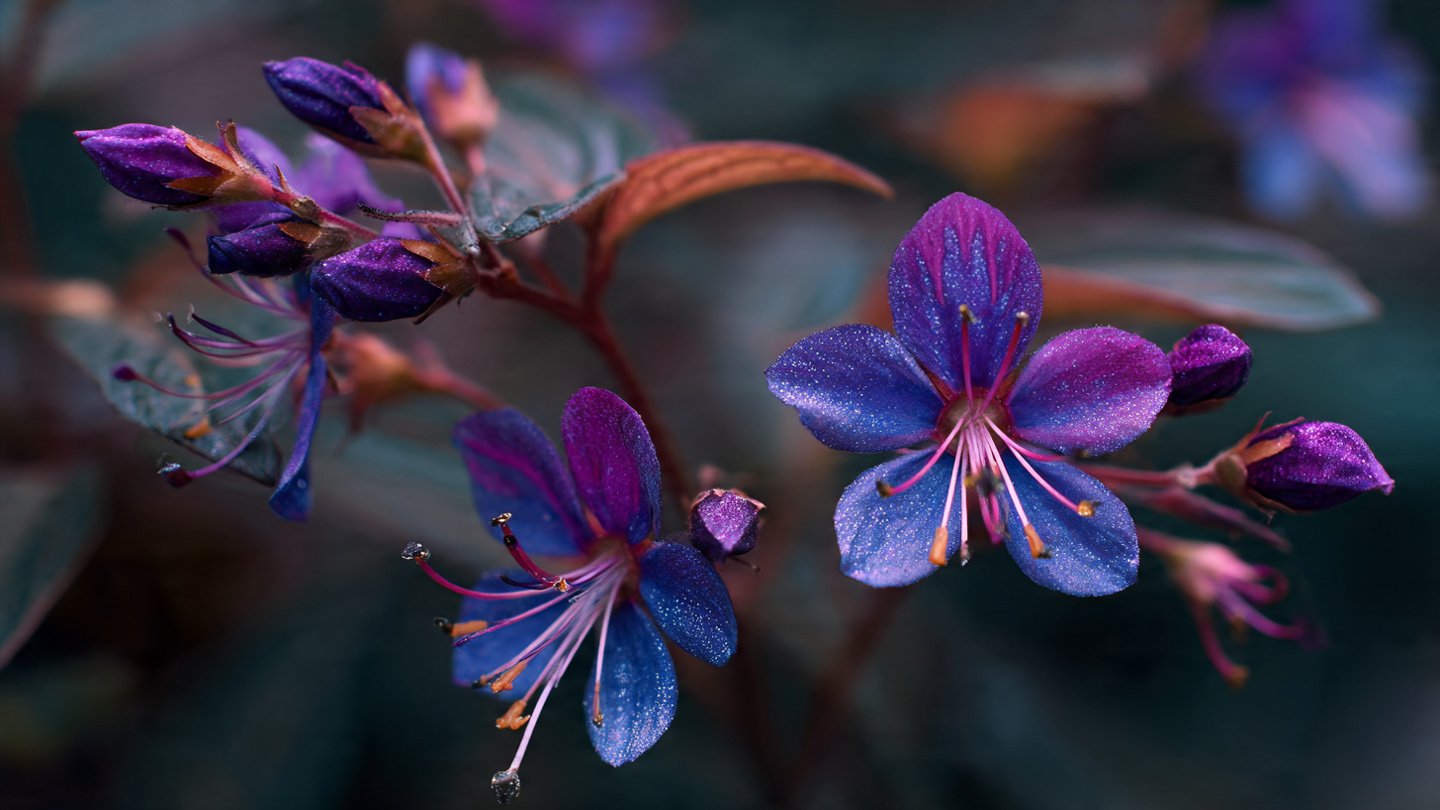
Flowers add beauty to gardens, and their unique features can make them stand out even more. One interesting characteristic some flowers possess is purple undersides on their leaves. These vibrant hues often attract gardeners seeking to add a splash of color to their flower beds. In this article, we will explore how to grow flowers that exhibit this beautiful trait, including suitable species, ideal growing conditions, and maintenance tips.
1. Understanding Purple Undersides
The purple undersides of leaves result from the presence of anthocyanins, which are pigments responsible for the reddish, purple, and blue colors in many plants. Various environmental factors, including light exposure, temperature, and even stress, can increase the intensity of these pigments. In some cases, the coloration can be a natural defense mechanism against pests and diseases, while in others, it’s simply a beautiful genetic trait.
2. Choosing the Right Species
Several flower species are known for their lovely purple undersides. Here are a few popular options:
- Oxalis triangularis: Commonly known as the purple shamrock, this flower has a striking purple underside complementing its green top.
- Tradescantia (Spiderwort): Many varieties of this plant feature purple undersides, offering a delightful contrast to their topside colors.
- Calibrachoa: This flower, often referred to as million bells, has some varieties that exhibit purple undersides.
- Geraniums: Certain species of geraniums show beautiful purple tints under their leaves.

3. Creating the Perfect Growing Conditions
Flowers that exhibit purple undersides generally require specific environmental conditions. Here’s what you should aim for:
3.1 Soil Requirements
Well-drained, nutrient-rich soil is essential for the healthy growth of these flowers. A mix of compost, peat moss, and perlite or vermiculite works wonders. Testing your soil pH can also ensure it is within the optimal range (usually between 6.0 and 7.0 for most flowering species).
3.2 Light Exposure
Most flowers with purple undersides thrive in partial shade to full sun, depending on the species. For example, Oxalis triangularis prefers indirect sunlight, while Tradescantia can tolerate more direct light. Observe your plants to see how they respond to different light conditions.
3.3 Watering Practices
These plants typically prefer consistent moisture but should never sit in waterlogged soil. Regular watering is essential, especially during dry spells. Always check the top inch of soil before watering to prevent overwatering.

3.4 Temperature and Humidity
Maintaining an optimal temperature generally enhances the vibrancy of the purple undersides. Most species thrive between 65°F to 75°F (18°C to 24°C). Additionally, some flowers prefer higher humidity levels, so consider misting them or placing a humidifier nearby.
4. Planting Techniques
Once you’ve gathered all the necessary materials and ensured optimal growing conditions, it’s time to plant your flowers. Here are some steps to follow:
4.1 Timing
The ideal time to plant is during the spring after the last frost. Some flowers may also be started indoors before transplanting them outside.
4.2 Planting Procedure
- Prepare the soil by loosening it with a garden fork or tiller.
- Create holes based on the size of the root ball of your flowers, usually about 1-2 inches wider than the root ball.
- Place the plants in the holes and fill them back in with soil, ensuring no air pockets are present.
- Water well after planting to help the roots settle.

5. Maintenance and Care
To ensure your flowers remain healthy and continue to display their beautiful purple undersides, consider the following maintenance routines:
5.1 Fertilizing
Feeding your plants with a balanced, slow-release fertilizer during the growing season will support robust growth and vibrant coloring. Follow the manufacturer’s instructions to avoid over-fertilizing.
5.2 Pruning and Deadheading
Regularly remove dead or yellowing leaves and spent flowers. This practice encourages new growth and helps maintain plant health.
5.3 Pest Management
Keep an eye out for common pests, such as aphids and spider mites. Employ organic pest control methods, such as insecticidal soap, to manage infestations without harming beneficial insects.

6. Conclusion
Growing flowers with purple undersides can be a rewarding endeavor, offering unique visual appeal to your garden. By selecting the right species, providing optimal growing conditions, and practicing diligent care, you can enjoy the beauty and vibrancy these flowers bring. Not only do they add aesthetic value, but they also contribute to the ecological balance in your gardening space.
FAQs
1. Are flowers with purple undersides hardy?
It depends on the species. Some, like Tradescantia, are highly resilient, while others may require more specific care to thrive.
2. How can I enhance the purple color of the undersides?
Providing the right amount of light and nutrients can help enhance the vibrancy of the purple color. Stressing the plant slightly by varying watering schedules can also sometimes intensify the color.
3. Can I grow these flowers indoors?
Yes, many flowers with purple undersides can be successfully grown indoors as long as they receive adequate light and humidity.

4. Do these flowers attract specific insects?
Many flowering plants attract a variety of pollinators, including bees and butterflies, contributing to a healthy ecosystem in your garden.
5. What is the best way to propagate these flowers?
Most can be propagated through cuttings or division, depending on the species. Be sure to use clean gardening tools to prevent disease.