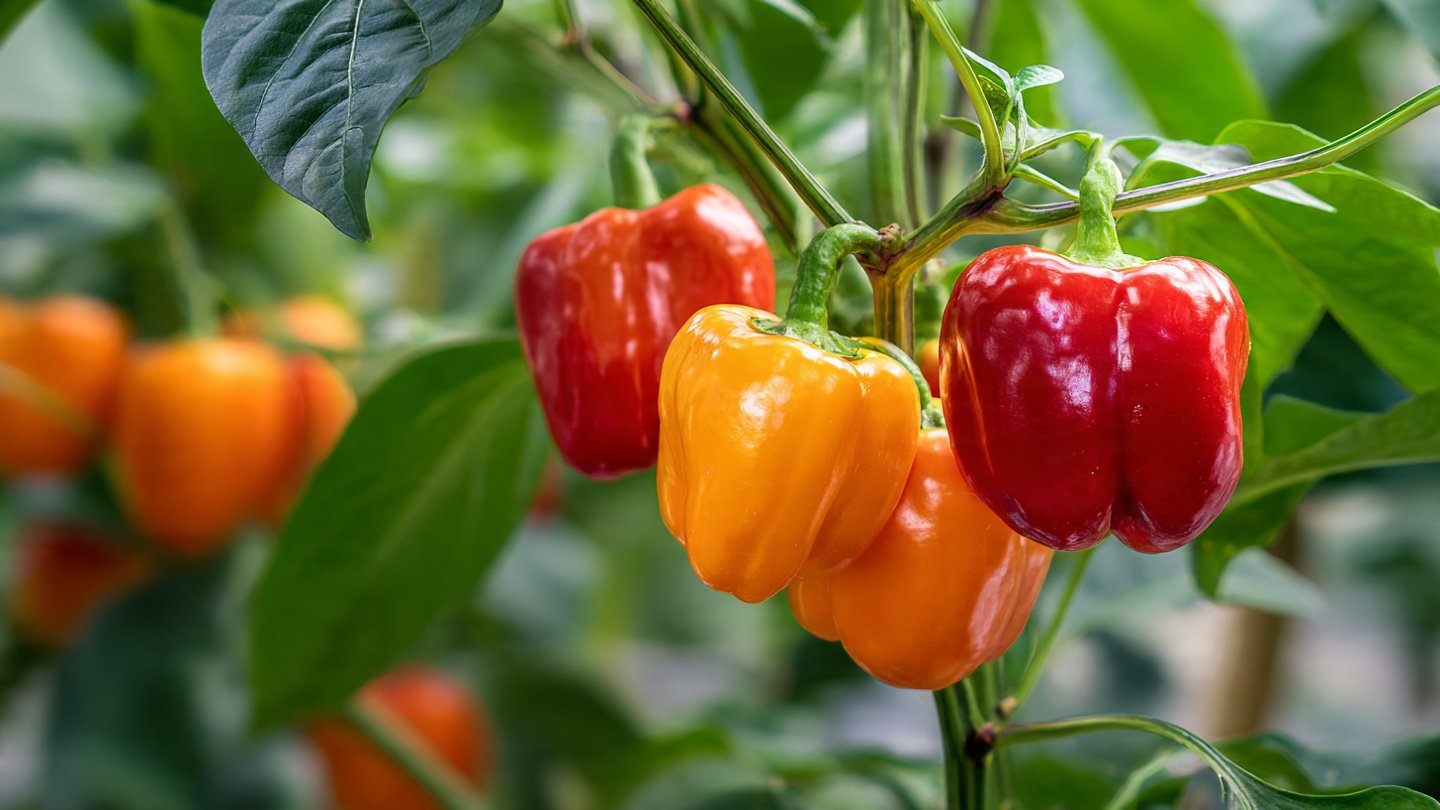
Growing your own peppers can be a rewarding endeavor, especially when it comes to creating fresh, homemade pizza toppings. Peppers not only add flavor but also bring vibrant colors to your dishes, enhancing both their visual appeal and taste. Whether you’re a seasoned gardener or just starting, growing peppers is easier than you might think. In this article, we’ll walk you through the steps to successfully cultivate peppers right in your backyard or even in containers on your balcony.
Choosing the Right Pepper Varieties
The first step in your pepper-growing journey is selecting the right variety. There are countless types of peppers, and each offers unique flavor profiles and heat levels. Here are some popular choices that work well as pizza toppings:
- Bell Peppers: Sweet and mild, available in various colors such as red, yellow, and green.
- Jalapeños: Slightly spicy, perfect for adding a kick to your pizza.
- Poblano Peppers: Mild heat with a rich flavor, great for roasting.
- Serrano Peppers: Hotter than jalapeños, these add a nice zing.
- Banana Peppers: Mild, sweet, and slightly tangy, ideal for pickling or fresh toppings.
Consider your personal taste preferences and how spicy you want your pizzas to be. Once you’ve chosen your pepper varieties, you can move on to the planting process.

Preparing the Soil
Peppers thrive in well-drained, nutrient-rich soil. Here’s how to prepare it:
- Location: Choose a sunny spot in your garden or on your balcony that receives at least 6-8 hours of direct sunlight daily.
- Soil Quality: Use a good-quality potting mix if you’re planting in containers, or amend your garden soil with organic compost to enhance its fertility.
- pH Level: Peppers prefer a slightly acidic to neutral soil pH (between 6.0 and 7.0). You can test the pH level and adjust it if necessary using amendments.
Starting Seeds Indoors
For many gardeners, starting seeds indoors is the best way to get a jump-start on the growing season. Here’s how:
- Timing: Start your seeds indoors 8-10 weeks before the last expected frost date. Check your local gardening calendar to find this date.
- Containers: Use seed trays or small pots filled with seed-starting mix. Ensure they have drainage holes.
- Sowing Seeds: Plant the seeds about 1/4 inch deep and water them lightly. Keep the soil moist but not soggy.
- Heat and Light: Peppers prefer warmer temperatures for germination, so keep them in a warm spot (70-80°F). Once they sprout, move them to a location with ample light, or use grow lights to ensure they grow strong and healthy.

Transplanting Outdoors
Once your seedlings are about 4-6 inches tall and all danger of frost has passed, it’s time to transplant them outdoors:
- Hardening Off: Gradually acclimate your seedlings to outdoor conditions by placing them outside for a few hours each day for a week.
- Spacing: When planting, space your seedlings about 18-24 inches apart to ensure they have enough room to grow.
- Planting Depth: Plant them at the same soil depth as they were in their pots. Gently loosen any tightly bound roots before planting.
Caring for Your Peppers
Once your peppers are in the ground, care is crucial to ensure a bountiful harvest. Here are some tips:

- Watering: Water consistently, especially during dry spells. Aim for about 1 inch of water per week, either from rainfall or irrigation.
- Fertilizing: Use a balanced fertilizer every few weeks to provide essential nutrients, particularly when the plants start to flower.
- Pests and Disease Control: Keep an eye out for common pests such as aphids and spider mites. Use organic pesticides or insecticidal soap if necessary. Additionally, maintain good air circulation around your plants to prevent diseases.
Harvesting Peppers
Knowing when to harvest your peppers is key to enjoying their best flavor:
- Color: Most peppers can be harvested when they reach their mature color. For example, bell peppers can be picked when they are green or left to ripen to red or yellow.
- Firmness: The peppers should feel firm to the touch. Avoid harvesting any that feel soft or mushy.
- Timing: Typically, peppers can be harvested 60-90 days after planting, depending on the variety.
Using Peppers as Pizza Toppings
Once you’ve harvested your peppers, the possibilities for homemade pizza toppings are endless:

- Fresh Slices: Add bell pepper slices for a colorful and crunchy topping.
- Roasted Peppers: Roast jalapeños or poblano peppers for a smoky flavor.
- Pickled Peppers: Use banana peppers or jalapeños to add some tanginess to your pizza.
With these fresh peppers at your disposal, you can create delicious and personalized pizza combinations that will impress your family and friends!
Frequently Asked Questions
1. How much sunlight do peppers need?
Peppers need at least 6-8 hours of direct sunlight daily for optimal growth.

2. How often should I water my pepper plants?
Aim for about 1 inch of water per week, adjusting for rainfall or dry spells.
3. Can I grow peppers in containers?
Yes! Peppers grow well in containers. Just choose a pot that is at least 5 gallons in size.
4. What pests should I watch out for?
Common pests include aphids, spider mites, and whiteflies. Regularly inspect your plants and treat them promptly if needed.
5. Can I save seeds from my harvested peppers?
Yes, you can save seeds from heirloom or open-pollinated varieties. Make sure to dry them properly before storing them.