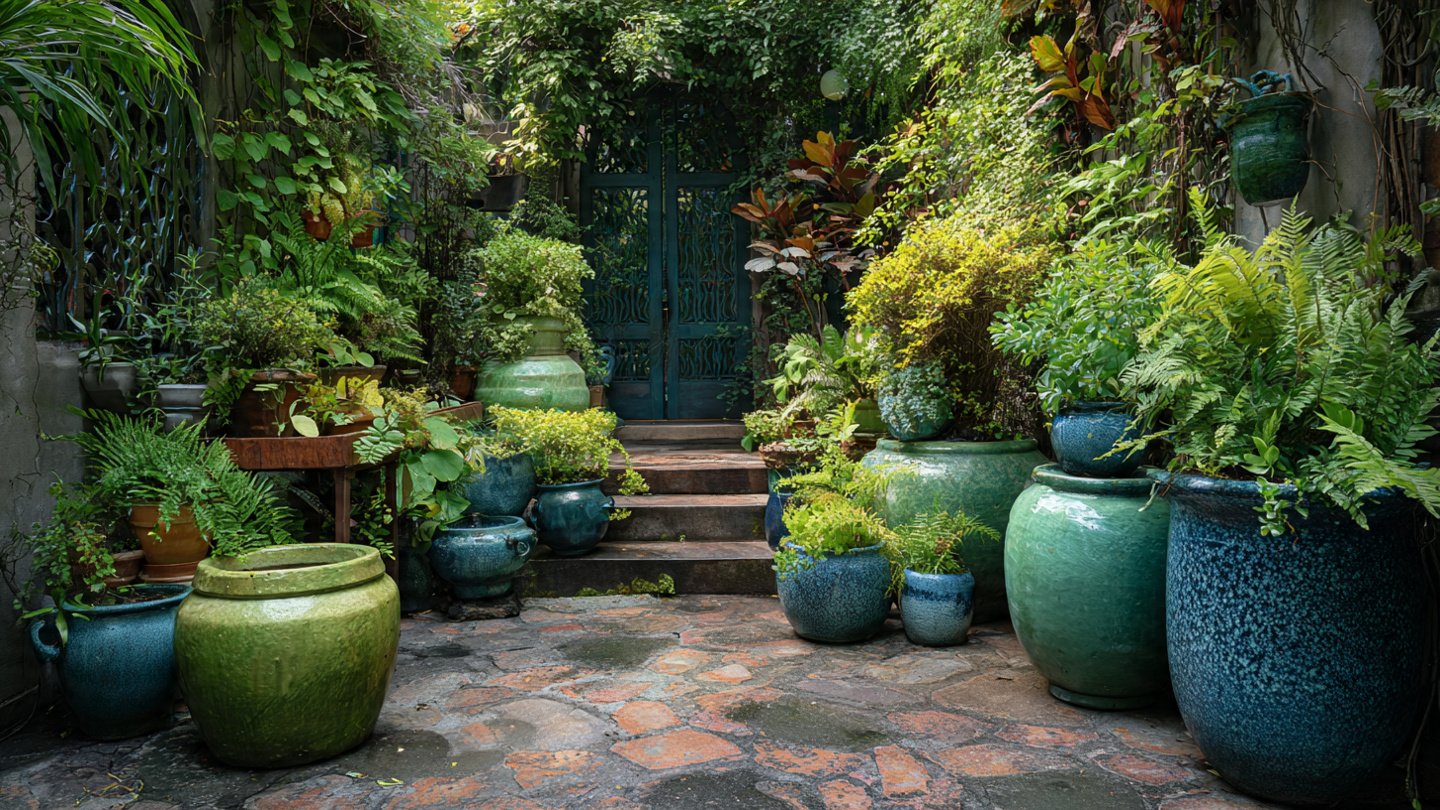
Gardening offers a unique opportunity to create a personal oasis that reflects your taste and spirit. With an array of tools and techniques available, creating an enchanting garden doesn’t always require expensive materials or complicated designs. In fact, you can create a stunning garden using just three types of pots. This minimalist approach not only simplifies the process but also allows for creativity and cohesion in your gardening project. Let’s explore how to effectively use these pots to design an enchanting garden that captures the imagination.
Choosing Your Three Pot Types
When choosing pots for your garden, consider the materials, sizes, shapes, and aesthetics that will complement your overall garden design. Here are three types of pots that work exceptionally well together:
-
Terracotta Pots:
- Advantages: Terracotta pots are porous, which allows for excellent drainage and air circulation for root systems. They also provide a rustic and timeless look.
- Uses: Ideal for growing herbs, small plants, and medium-sized flowers. They can also be used creatively in tiered displays or as stands for larger pots.
- Aesthetic Appeal: The warm, earthy tones of terracotta contrast beautifully with vibrant blossoms, enhancing the garden’s overall aesthetic.
-
Ceramic Pots:

- Advantages: Ceramic pots come glazed or unglazed, providing various styles and finishes. They’re sturdy and can hold moisture well.
- Uses: These pots are perfect for delicate plants because their density helps regulate temperature. Use them for accentuating focal points, such as a centerpiece on a garden table or along pathways.
- Aesthetic Appeal: Vibrant colors and intricate designs can add artistic flair to your garden space, making them visually striking.
-
Wooden Pots:
- Advantages: Wooden pots have excellent insulation properties, protecting roots from temperature extremes. They can be made from various kinds of wood, like cedar or redwood, which are naturally resistant to decay.
- Uses: Perfect for growing larger plants and vegetables. You can also create raised garden beds or horizontal arrangements.
- Aesthetic Appeal: They bring an organic feel to your garden, blending beautifully with natural landscapes.
Designing Your Enchanted Garden
Once you have your pots selected, the next step is to design your enchanted garden. Here’s a step-by-step guide:
1. Define the Garden Space
Start by assessing the area available for your garden. Is it a sunny spot, a shaded retreat, or an indoor space? Identifying the environment will guide your plant selection and pot arrangement.

- Sunny Spaces: Opt for vibrant flowers and herbs that thrive in sunlight, such as marigolds or rosemary.
- Shaded Areas: Choose ferns or shade-loving plants like hostas that offer lush foliage.
- Indoor Spaces: Look for low-light plants like snake plants or peace lilies that require minimal maintenance.
2. Create a Focal Point
Focal points draw the viewer’s eye and create a sense of direction in any space.
- Terracotta Pots: Fill a larger terracotta pot with a dramatic plant, such as a small tree or large cascading flower, and place it at the garden’s center.
- Ceramic Pots: Use ceramic pots in various heights around the focal point. This modern contrast can create visual interest.
- Wooden Pots: Position wooden pots at key points to lend a rustic charm, perhaps bordering a path.
3. Layer Heights and Textures
Layering is essential for creating depth in your garden. Varying heights can make a space feel full and thriving.

- Low-Level Plants: Use terracotta pots for herbs that will fill in spaces at ground level. Imagine a border of basil or mint that offers both function and beauty.
- Mid-Height Plants: Position medium-sized flowers in ceramic pots for the next layer of height. Consider creating clusters where colors contrast but styles harmonize.
- Tall Plants: Use wooden pots for larger plants or small shrubs that can act as vertical lines, guiding the eye upward.
4. Plan for Color Harmony
Color can make or break your enchanted garden’s appeal. Choose a color palette that harmonizes well together. Here are some strategies:
- Monochromatic: Use different shades of a single color across your pots. For instance, various shades of green plants in terracotta pots can evoke tranquility.
- Contrasting Colors: Pair contrasting pot colors with similarly contrasting plants. Brightly colored ceramic pots can complement purple or white flowers for an eye-catching effect.
- Accents: Use pots with intricate designs as accents. A patterned ceramic pot can act as an anchor for your color theme.
5. Incorporate Vertical Space
Using vertical space can bring depth and interest to your garden setup.
- Stacking: Consider stacking smaller terracotta pots to create a stunning flower tower effect, filled with trailing vines or cascading flowers.
- Shelving: Create shelving with wood or metal to house ceramic pots at varying heights, allowing easy access to plants and enhancing visibility.
- Hanging Designs: Use macrame hangers or chains to hang terracotta pots, creating a floating garden effect that adds charm.

6. Grouping and Arrangement
Strategic grouping of your pots can create a cohesive and inviting garden.
- Clustered Arrangement: Group pots in odd numbers for a more natural feel. For instance, a collection of three ceramic pots in a corner can create a miniature garden within your larger space.
- Pathways: Arrange wooden pots along pathways as natural borders, guiding the viewer through the garden.
- Layered Grids: Create a grid pattern with pots of varying heights and sizes to give a structured yet organic look.
7. Seasonal Considerations
Your enchanted garden can evolve with the seasons.
- Changing Planting: Rotate seasonal flowers in your ceramic pots to keep the aesthetics fresh. Bright tulips in spring can be substituted with sunflowers in summer.
- Reuse and Refresh: Terracotta pots can be cleaned and re-painted or stained to give a new look every season.
- Seasonal Decor: Use wooden pots as a base for seasonal decorations like autumn gourds or winter evergreen arrangements.

8. Maintenance Simplicity
An enchanting garden is enjoyable when it’s easy to maintain.
- Plant Choices: Choose low-maintenance plants that suit your local climate and are compatible with your pot materials.
- Watering Solutions: Use self-watering pots or add a drip irrigation system for ease.
- Fertilization: Ensure you have a simple fertilization routine that complements your plants’ needs without becoming burdensome.
Conclusion
Creating an enchanting garden using just three types of pots can be a rewarding experience. By thoughtfully selecting terracotta, ceramic, and wooden pots, you can design a space that reflects your personality while being a sanctuary for plants. With strategic planning regarding space, heights, colors, and arrangements, you can craft a garden that evolves with the seasons, remains easy to maintain, and continues to enchant with every blooming flower. Happy gardening!