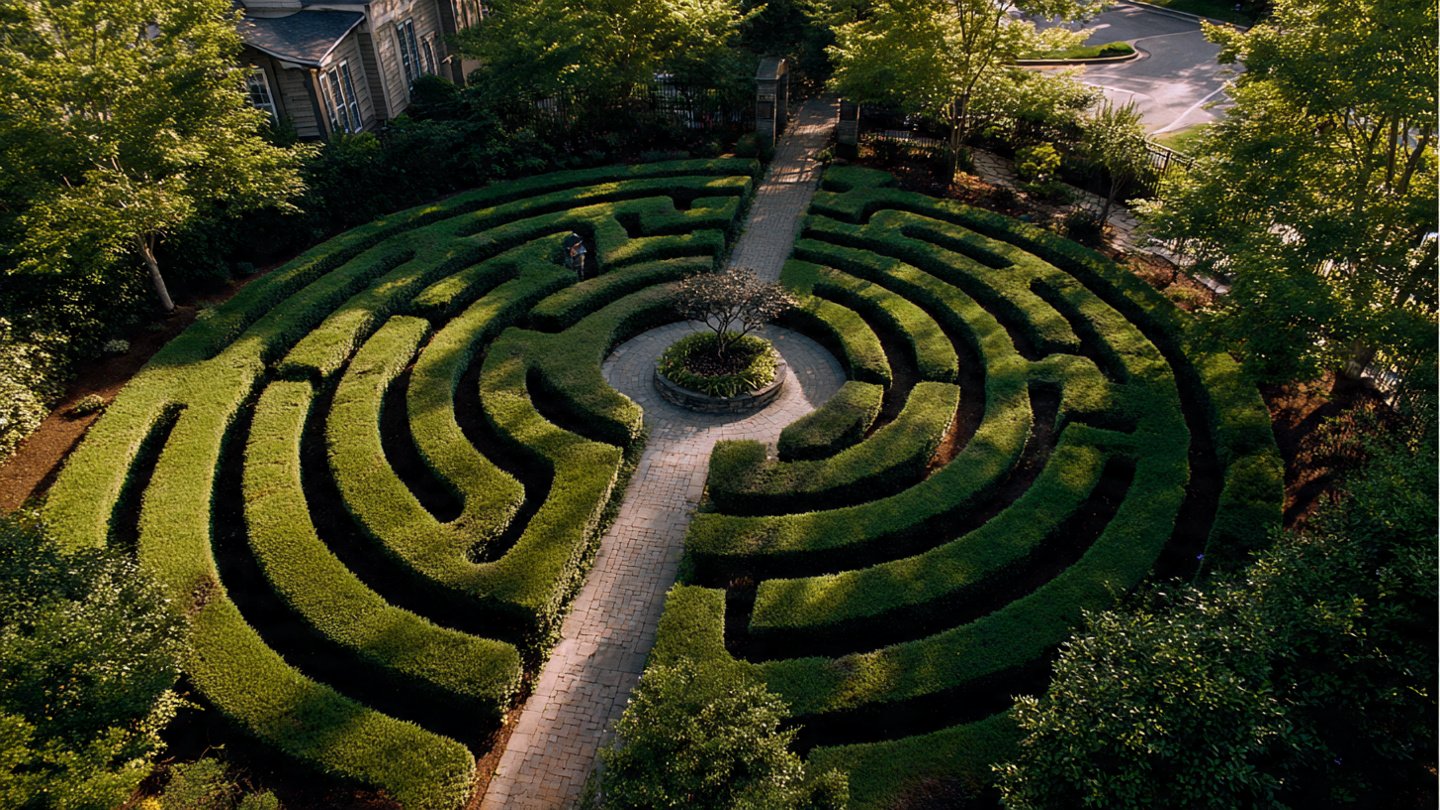
Creating a labyrinth path in your suburban yard can be a rewarding and enriching project that not only enhances the aesthetic appeal of your property but also offers a tranquil space for reflection, meditation, and exercise. A labyrinth is different from a maze; it features a single path that leads to a center and back out again. This makes it a perfect garden feature that can be appreciated by all ages. In this article, we will explore the steps and considerations for designing a labyrinth path in your standard suburban yard.
Understanding the Purpose of Your Labyrinth
Before you start designing your labyrinth, it is essential to clarify its purpose. Here are a few reasons why someone might want to include a labyrinth in their yard:
- Relaxation and Meditation: A labyrinth offers a peaceful environment for meditation and self-reflection.
- Artistic Expression: The design can serve as a canvas for your creativity—selecting materials and shapes that resonate with you.
- Exercise: Walking the labyrinth provides gentle physical activity that can be refreshing.
- Educational Opportunities: A labyrinth can be a great project to involve children, teaching them about design, geometry, and nature.
Choosing the Right Location
Finding the ideal spot for your labyrinth is crucial. Consider the following factors:
- Size and Space: Make sure you have enough space for the labyrinth to be both functional and aesthetically pleasing. A standard labyrinth can be anywhere from 15 to 40 feet in diameter.
- Sunlight: Consider how much sun or shade the space receives throughout the day. This will help you decide what foliage to include around your labyrinth.
- Accessibility: Ensure that the location is accessible to everyone who may want to use it, including children, elderly individuals, and those with disabilities.
- Privacy and Quiet: A location that feels secluded and quiet can enhance the experience of walking the labyrinth.

Designing the Labyrinth
Once you have chosen a suitable location, it’s time to start designing your labyrinth. Here are some steps to guide you through the design process:
1. Choose a Shape
Labyrinths can take on various forms, but the most common are circular or spiral designs. Other options include:
- Square Labyrinths: Most commonly associated with classical designs.
- Flower Labyrinths: Designs that incorporate floral shapes or symbols.
- Natural Shapes: Designs that follow the natural features of the landscape.
2. Sketch Your Design
Draw a scale model of your labyrinth on paper or use design software. Make sure to set the dimensions clearly. A simple way to start sketching is by using concentric circles to create the path.
3. Define Path Width
The width of the paths can significantly affect the feeling of your labyrinth. A width of 2 to 3 feet allows for comfortable walking and also provides an inviting space for personal reflection.

4. Plan the Center
The center of your labyrinth is often a focal point where one can pause. You can choose to include:
- Stones or boulders
- A small fountain or water feature
- A bench for resting
- Plants or flowers to attract nature
5. Material Selection
Decide on the materials for constructing your labyrinth. Options include:
- Grass: Requires ongoing maintenance but offers a natural feel.
- Gravel: Low-maintenance and visually appealing. Be sure to consider edging to keep the gravel contained.
- Pavers or Stone: Durable and stylish but requires a more significant initial investment.
- Wood Chips: A soft option that is eco-friendly and provides a natural look.

Constructing Your Labyrinth
After finalizing your design, it’s time to begin construction. Follow these simple steps:
1. Mark the Layout
Using stakes and string, outline the design. This will help visualize the labyrinth before any digging or laying materials occurs.
2. Prepare the Ground
Clear the area of any debris, grass, or weeds. Level the ground for an even surface, especially if you plan to use pavers or stones.
3. Lay the Path
Start laying your chosen material according to the design. Ensure that paths are even and well-defined. If using gravel or wood chips, it may be necessary to add an edging.
4. Add Plants
Consider adding plants or flowers along the edges for added beauty and to encourage wildlife. Native plants work best with the local ecosystem.
5. Final Touches
Finish off your labyrinth by adding features to the center, such as benches or sculptures. This area should be inviting and conducive to relaxation.

Maintaining Your Labyrinth
Regular upkeep of your labyrinth ensures it remains an enjoyable space:
- Weeding: Keep the pathways clear of unwanted plants.
- Raking: For gravel or wood chip paths, regular raking can keep the surface looking pristine.
- Renewal: Consider replenishing materials annually to maintain the aesthetic and functional quality.
Conclusion
Designing a labyrinth path in your standard suburban yard can be an enriching endeavor that combines creativity with nature. It invites relaxation, meditation, and a connection with the environment. By carefully planning and executing your design, you can create a peaceful retreat right outside your door. Remember that your labyrinth can be as unique as you are, incorporating elements that reflect your personality and values. Happy designing!
FAQs
1. How much space do I need to build a labyrinth?
The size can vary, but generally, a diameter of 20 to 40 feet is ideal for a functional labyrinth.
2. Can I build a labyrinth on a sloped yard?

Yes! However, consider leveling on the pathway to prevent erosion and ensure comfort while walking.
3. How long does it take to build a labyrinth?
The time varies depending on the design and materials, but expect to dedicate a weekend or two for construction.
4. What plants are best for a labyrinth?
Native plants or low-maintenance herbs like lavender, chamomile, and ornamental grasses are excellent choices.
5. Do I need a permit to build a labyrinth?
Generally, if it’s within the property lines and meets local regulations, a permit may not be needed, but it’s a good idea to check with local authorities.