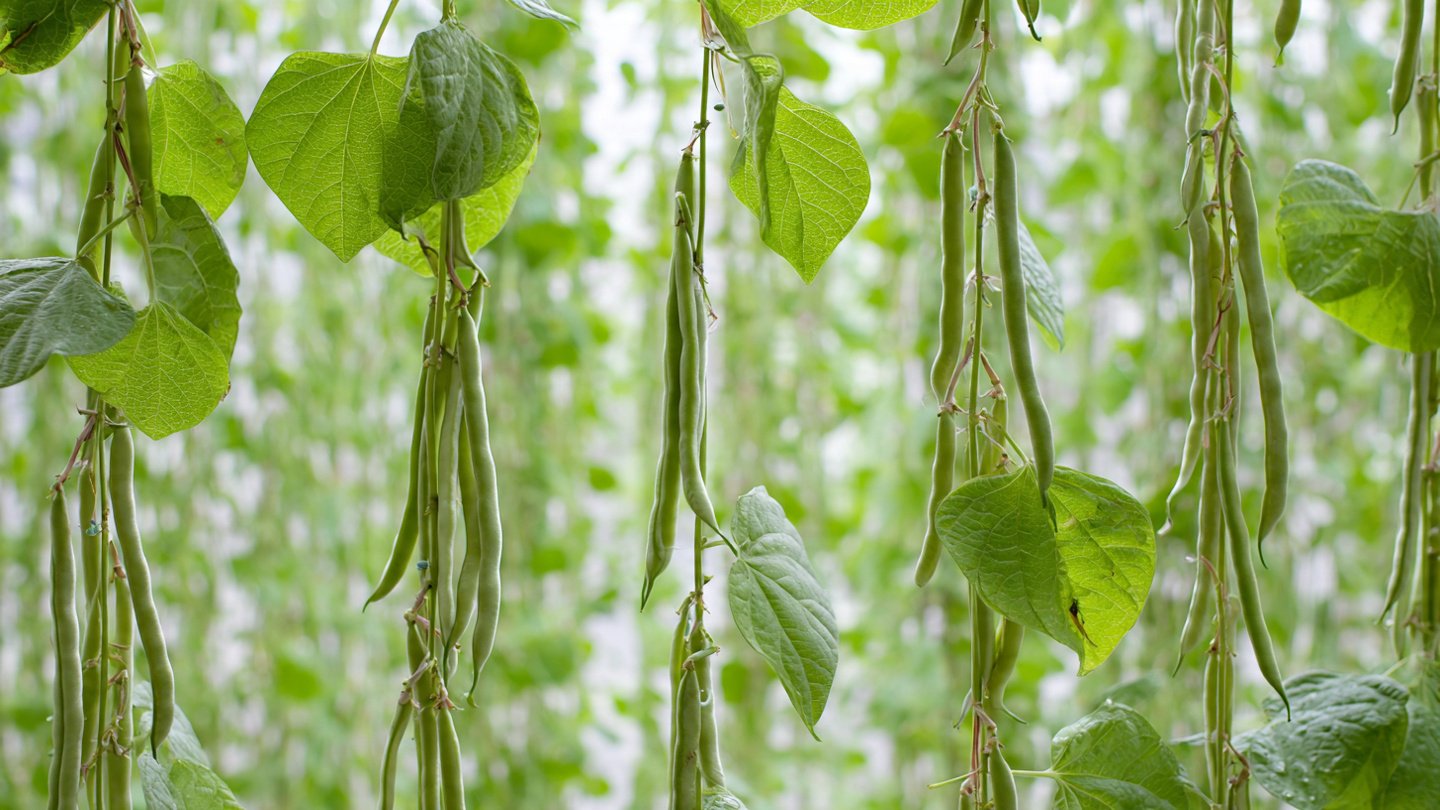
Vertical gardening has gained immense popularity for its efficient space usage and aesthetic appeal. Utilizing limited vertical space can lead to stunning gardens bursting with fresh produce, especially when it comes to climbing plants like beans. If you’re looking to cultivate a vertical garden of beans using just string, you’re in the right place. This article will guide you through the steps, benefits, and nuances of creating a vibrant vertical bean garden.
Benefits of Vertical Gardening
Before diving into the method itself, let’s explore some benefits of vertical gardening, particularly with beans:
- Space Efficiency: Vertical gardening maximizes the use of limited space, making it ideal for those with small yards or patios.
- Better Air Circulation: Plants grown vertically often experience improved air circulation, which can help prevent diseases.
- Easier Harvesting: Beans that grow vertically are easier to reach, making harvesting less of a chore.
- Aesthetic Appeal: A vertical garden can be a stunning visual element, adding beauty to your living environment.
- Increased Yield: Plants grown vertically may produce a higher yield per square foot due to increased sunlight exposure.
Choosing the Right Variety of Beans
Before you start building your vertical garden, you need to choose the type of beans you wish to grow. Here are a few popular varieties:

- Green Beans: Tender and easy to grow, these are a favorite among home gardeners.
- Pole Beans: These varieties naturally climb and require support, making them ideal for vertical gardening.
- Scarlet Runner Beans: Known for their beautiful flowers, these beans are both ornamental and edible.
- Soybeans: A great option for those looking to grow a nutritious crop.
- Black Beans: A staple in many cuisines, these are delicious when harvested and can be dried for storage.
Materials Needed
Basic Materials
- Seeds: Choose your preferred bean variety.
- String: A strong, durable material is essential as it will support the weight of the climbing plants. Cotton twine or jute rope works well.
- Support Structure: You will need something to anchor your string. This could be a trellis, fence, or even a wall.
- Soil: Use good potting soil mixed with organic matter for optimal growth.
- Planting Containers: If you’re growing in pots, choose deep containers that can support root growth.
Optional Materials

- Fertilizer: Organic options like compost or worm castings can boost plant health.
- Mulch: To retain moisture and suppress weeds.
Setting Up Your Vertical Garden
Step 1: Prepare the Site
Choose a sunny location for your vertical garden. Beans thrive in full sun, so aim for at least six hours of sunlight per day. Whether you’re using pots or planting directly in the ground, prepare the area by clearing it of weeds and debris.
Step 2: Install the Support Structure
Using a trellis, fence, or any vertical support system is crucial. Here’s how to do it:
- Positioning: Secure your trellis or vertical structure in your prepared area. Ensure it’s stable and can handle the growth of your bean plants.
- Height: A height of 5-6 feet is ideal for most climbing beans. The structure should be tall enough that beans can reach for sunlight.
Step 3: String Setup
Now, it’s time to set up the string that will guide your beans as they grow:

- Measure the Length: Cut lengths of string longer than the height of your support structure.
- Anchoring: Secure one end of the string to the top of your trellis or support structure.
- Vertical Installation: Let the string hang down vertically to the base of your planting area. Attach it directly to the ground or your planting container.
- Spacing: If you’re using multiple strings, space them approximately 6-12 inches apart to give plants enough room to grow without overcrowding.
Step 4: Prepare the Soil and Plant the Seeds
- Soil Preparation: Mix your potting soil with some organic compost to provide essential nutrients.
- Planting Seeds: Plant your bean seeds according to the instructions on the seed packet, usually about 1-2 inches deep. Space the seeds about 3-6 inches apart, depending on the variety.
- Watering: After planting, water the area generously to settle the soil around the seeds.
Step 5: Training the Beans
As your beans begin to sprout, you’ll need to guide them up the strings:
- Initial Support: Once the seedlings have reached about 6 inches tall, gently encourage them to wrap around the string. You can do this by gently guiding the tendrils.
- Climbing: Beans are natural climbers, so they’ll quickly start to wrap around the string on their own once they make contact.
- Regular Monitoring: Keep an eye on growth, ensuring they’re climbing properly and adjusting the strings if necessary.

Step 6: Maintenance
Caring for your vertical bean garden involves several key activities:
- Watering: Beans need regular watering, especially during hot summer months. Keep the soil consistently moist but not waterlogged.
- Fertilizing: Fertilize every few weeks using organic fertilizers to promote healthy growth. Make sure the fertilizer is high in nitrogen, which beans love.
- Pest Management: Monitor plants for common pests like aphids and spider mites. Use organic insecticidal soap if necessary.
- Weed Control: Regularly check for weeds that may compete for nutrients and water.
Harvesting Your Beans
Once your beans have matured, it’s time for the rewarding part—harvesting!
- Timing: Harvest beans when they are firm and brightly colored but not too mature. It’s best to pick them before the seeds inside bulge.
- Method: Using garden shears, carefully cut the beans from the vine to avoid damaging the plant.

Environmental Benefits of Growing Beans Vertically
Growing beans vertically can contribute positively to the environment:
- Soil Enrichment: Beans are legumes and can fix nitrogen in the soil, enriching it for future plantings.
- Reduced Carbon Footprint: Growing your own food reduces reliance on store-bought produce, which often travels long distances.
- Improved Biodiversity: Vertical gardens can attract bees and other pollinators, enhancing local biodiversity.
Conclusion
Cultivating a vertical garden of beans using just string is a rewarding and efficient way to make use of limited space while enjoying a bountiful harvest. By following the steps outlined in this guide—from selecting the right bean variety to setting up the support structure—any gardener can create a thriving vertical garden. Not only is the experience aesthetically pleasing, but it also provides fresh, delicious produce and contributes positively to the environment. So grab your seeds and string, and start your vertical bean garden today!