Introduction
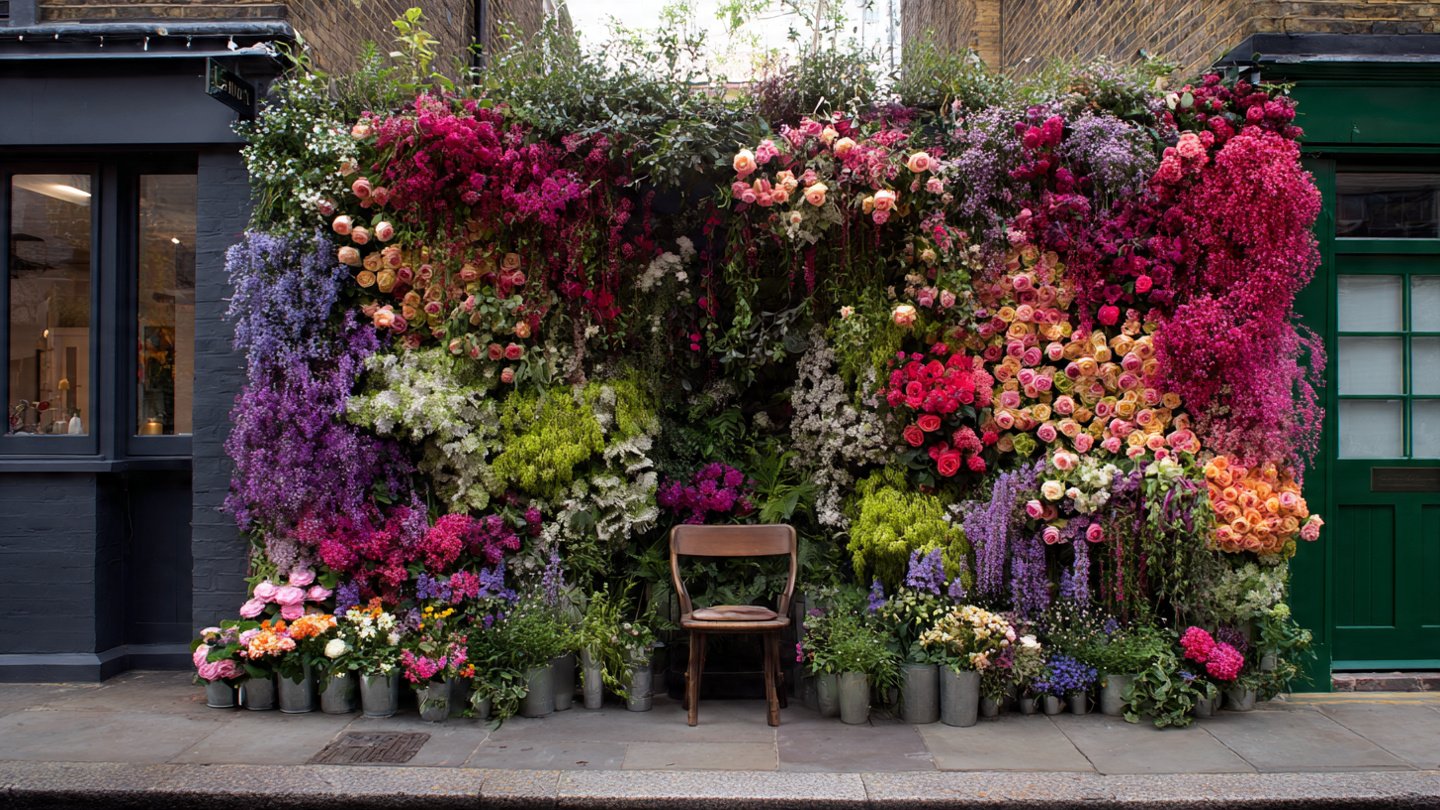
Creating a vertical flower wall can transform any small space into a vibrant sanctuary of colors and aromas. It not only adds aesthetic value but also helps purify the air, promoting a healthier environment. A vertical flower wall takes up minimal floor space while showcasing a variety of plants. Whether you have a balcony, a small garden, or even a wall inside your home, this guide will help you craft a stunning vertical flower wall that suits your tiny space flawlessly.
1. Choosing the Right Location
The first step in creating a vertical flower wall is choosing the right location. You need a spot with adequate sunlight or shade depending on the type of flowers you plan to use. A location that receives morning sunlight but is partially shaded in the afternoons can work well for many flower varieties. Ensure that the wall is accessible for watering and maintenance, as well.
2. Selecting the Right Flowers
Choosing flowers that thrive in vertical gardens is crucial. Here are some recommendations:
- Petunias: These come in various colors and require full sun.
- Fuchsia: Ideal for shaded areas, they have stunning cascading blooms.
- Violets: Perfect for cooler weather, they add vibrant color.
- Succulents: If you live in a sunny area, succulents can offer interesting shapes and colors.

Consider plants that will trail down, as well as those that stand upright. Mixing different types of plants not only adds visual interest but also can help with varying sunlight and water needs.
3. Preparing the Framework
The next step involves preparing the framework for your vertical garden. Here are some popular options:
- Pallets: Wooden pallets can be repurposed as a base for your flower wall by adding landscape fabric to keep the soil in.
- Wire Grid: A wire grid can be mounted on the wall, allowing you to use pots or containers to hold the flowers.
- Vertical Planters: There are many commercially available vertical planters that can be mounted directly onto walls or fences.

Ensure that the framework is sturdy enough to hold the weight of the soil and plants. It should also provide good drainage to prevent water accumulation.
4. Soil and Planting
Choosing the right soil is essential for the health of your plants. A high-quality potting mix that offers excellent drainage and aeration is ideal. When planting, make sure to keep the root systems intact.
- Begin by filling your chosen containers or the gaps in the framework with soil.
- Arrange your flowers according to their height and light requirements. Place taller plants in the back and shorter ones in the front for an appealing look.
- Gently remove the plants from their pots and place them into the soil. Make sure their roots are well covered.
5. Watering and Care
Watering a vertical flower wall can be a little challenging. You need to ensure that each plant receives adequate moisture without over-watering them. Here are a few tips:

- Drip Irrigation: Installing a drip irrigation system can help provide consistent moisture while saving time.
- Hand Watering: If you prefer to water by hand, use a watering can with a long spout to reach the top plants without disturbing the others.
- Check Soil Moisture: Regularly check soil moisture by sticking your finger into the soil; if it feels dry an inch below the surface, it’s time to water.
Additionally, you might want to incorporate a liquid fertilizer into your watering routine every few weeks to provide necessary nutrients to your flowers.
6. Maintenance Tips
Creating a vertical flower wall requires ongoing maintenance. Here are some tips to keep your flower wall thriving:
- Pruning: Regularly trim dead flowers and leaves to encourage new growth and maintain the overall look.
- Pest Control: Keep an eye out for any pests and treat them immediately with organic pesticides if needed.
- Seasonal Changes: Be prepared for seasonal changes by swapping out flowers that may not perform well during particular times of the year.

Conclusion
Creating a stunning vertical flower wall in a tiny space is a rewarding project that adds beauty and vibrancy to any environment. By choosing the right location, selecting suitable flowers, preparing a solid framework, and ensuring diligent care and maintenance, you can enjoy a small slice of nature right at home. A vertical flower wall not only enhances the appearance of your space but also contributes positively to your well-being. Remember, with some creativity and effort, even the tiniest of areas can be transformed into a breathtaking floral display.
FAQs
1. How much sunlight do vertical flower walls need?
The amount of sunlight required varies depending on the types of flowers you select. Most flowering plants prefer at least six hours of direct sunlight, while others thrive in partial shade. Be sure to research the requirements of your chosen plants.
2. Can I create a vertical flower wall indoors?
Absolutely! Indoor vertical flower walls can be stunning. Just make sure to select flowers that thrive in indoor light conditions, or consider using grow lights to supplement natural light.

3. What if my space doesn’t have enough sunlight?
If your space lacks sufficient sunlight, consider opting for shade-loving plants such as ferns or certain types of violets. You can also supplement with artificial grow lights to help your plants flourish.
4. How often should I water my vertical flower wall?
Watering frequency can vary based on the plants, weather conditions, and the setup of your vertical garden. Typically, a vertical flower wall should be watered whenever the soil feels dry an inch below the surface. A drip irrigation system can help provide consistent moisture.
5. Is it hard to maintain a vertical flower wall?
While some maintenance is required, keeping a vertical flower wall thriving isn’t overly difficult. Regular watering, pruning, and monitoring for pests are essential tasks that can be easily integrated into your gardening routine.