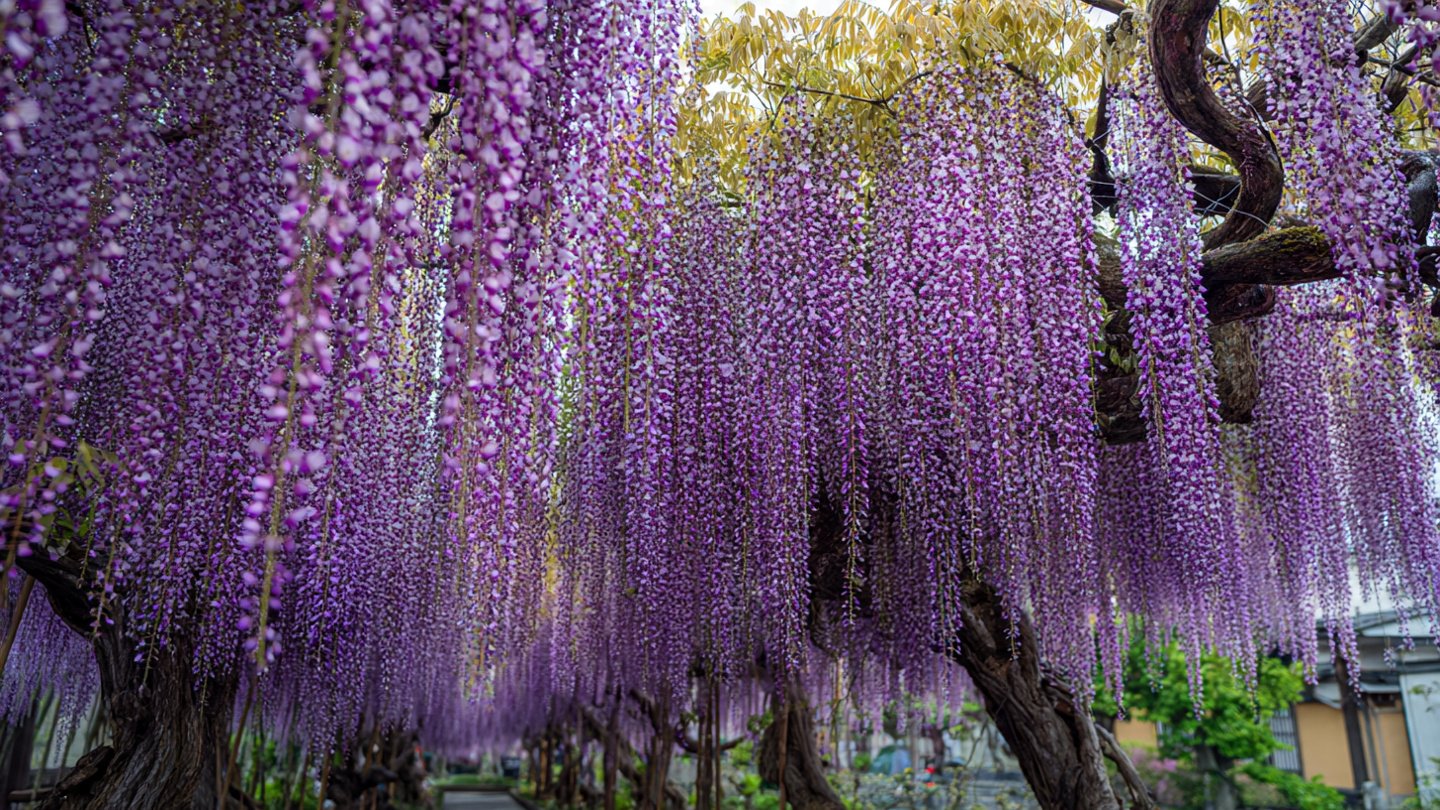
Creating a vertical garden with wisteria can transform any space into a stunning display of cascading blooms and lush greenery. This climbing perennial is celebrated for its fragrant flowers, vigorous growth, and ability to add vertical interest to gardens, patios, and balconies. This article will guide you through the steps to create a dramatic vertical garden of wisteria, addressing site selection, planting, maintenance, and design tips.
Understanding Wisteria
Before diving into the creation of a vertical garden, it’s essential to understand the characteristics and needs of wisteria. Native to Asia and North America, wisteria can grow up to 30 feet long, making it an excellent choice for vertical gardening.
Types of Wisteria
- Wisteria sinensis (Chinese Wisteria): Known for its long racemes of purple flowers, this variety blooms in spring and can grow rapidly.
- Wisteria floribunda (Japanese Wisteria): Characterized by its long, cascading flower clusters that can be white, pink, or blue.
- Wisteria frutescens (American Wisteria): More compact and slower-growing than its Asian counterparts, it’s less invasive and perfect for smaller spaces.
Climate Considerations
Wisteria thrives in zones 4-9 but prefers temperate climates. It requires full sun to partial shade and well-drained, slightly acidic to neutral soil. Be mindful of your local climate and choose a variety that suits your environment.

Site Selection and Preparation
Choosing the Right Location
Select a site that receives at least 6-8 hours of sunlight daily. This will encourage robust growth and flowering. Look for:
- Wall or Fence: Allows the wisteria to climb upward.
- Trellis or Arbor: Provides structure and support for the plant.
- Patios/Balconies: Ideal for container gardening; ensure adequate sunlight.
Soil Preparation
The success of your vertical garden starts with proper soil preparation:
- Soil Testing: Conduct a soil test to determine pH levels and nutrient content. Wisteria prefers a slightly acidic to neutral pH (6.0-7.0).
- Amendments: Depending on the test results, you may need to amend the soil with organic matter like compost or peat moss to enhance drainage and nutrient content.
- Drainage: Ensure your chosen planting area has excellent drainage to prevent root rot. This can be achieved through raised beds or incorporating sand into heavy soils.
Designing Your Vertical Garden
Choosing the Right Structure
The structure you choose for your wisteria can enhance the aesthetic appeal of your vertical garden:

- Trellis: A simple wooden or metal frame that allows the wisteria to climb. Ensure it’s strong enough to support the plant’s weight.
- Arbor: A more elaborate option that can provide shade as well as beauty.
- Espalier: Training the plant on a flat surface or wall, which requires more maintenance but can create a striking visual impact.
Plant Spacing
If you’re planting multiple wisteria plants, space them adequately to allow for airflow and reduce competition for nutrients. A spacing of 5-10 feet apart is ideal, depending on the variety. For a trellis or arbor, one plant may suffice to create a dramatic effect.
Companion Plants
Consider adding companion plants to enhance the vertical garden:
- Climbing Roses: Their flowers can complement the wisteria’s blooms beautifully.
- Ferns: Add texture and greenery at the base or between vertical elements.
- Vines: Consider other non-invasive climbing plants that can weave through the structure.
Planting Wisteria
Timing
The ideal time to plant wisteria is in the spring after the last frost or in the fall. This timing allows the plant to establish roots before the intense summer heat or winter cold arrives.

Steps for Planting
- Dig the Hole: Dig a hole that is twice as wide and as deep as the root ball of your wisteria.
- Planting: Place the plant in the center of the hole and fill it with the amended soil. The root ball should be level with the ground surface.
- Watering: Water your wisteria well after planting. This helps settle the soil and provide moisture for root establishment.
- Mulching: Apply a 2-3 inch layer of mulch around the base to retain moisture, suppress weeds, and regulate soil temperature.
Training and Supporting Wisteria
Initial Support
After planting, guide the wisteria towards its support structure. Use soft ties or garden twine to secure it, avoiding materials that may damage the stems.
Pruning
Pruning is essential for maintaining the shape and health of your wisteria. Here are some guidelines:
- First Year: Allow the wisteria to establish for the first year without pruning.
- After Establishment: Prune twice a year—once in late winter and again in summer. In late winter, cut back long stems to encourage branching. In summer, trim back new shoots to promote blooming.
Training Techniques
- Direction Training: Train the main stem to climb your structure and encourage horizontal growth to fill gaps.
- Trellising: If using a trellis, create an attractive design by weaving the stems through the supports.
Maintenance
Watering
Wisteria is relatively drought-tolerant once established. However, consistent watering during the first growing season is crucial. Water deeply, ensuring the soil remains moist but not waterlogged.

Fertilizing
Feed your wisteria with a balanced fertilizer in early spring, focusing on low-nitrogen formulas to encourage blooming over foliage growth. A compost top-dressing can also help maintain soil health.
Pests and Diseases
While wisteria is generally resilient, keep an eye out for common pests such as aphids and scale. Treatment with insecticidal soap or neem oil can help. Be cautious of root rot, particularly in heavy soils, and ensure proper drainage.
Enjoying Your Vertical Garden
Creating a dramatic vertical garden of wisteria is a rewarding endeavor. The cascading flowers and lush foliage provide visual interest and a relaxing atmosphere. Incorporate seating near your garden to enjoy the beauty and fragrance, especially in spring when the flowers are in full bloom.

Seasonal Changes
Take note of how your vertical garden changes with the seasons:
- Spring: The flowers bloom, creating an explosion of color.
- Summer: The green foliage provides a lush, cool retreat.
- Fall: Leaves may turn vibrant shades before falling.
- Winter: The bare structure reveals the unique growth patterns and provides structural interest.
Conclusion
A vertical garden of wisteria not only beautifies your surroundings but also adds an enchanting vertical element to your landscape. With careful planning, proper support, and diligent maintenance, you can enjoy the stunning spectacle of wisteria for years to come. This living tapestry of cascading blooms and verdant vines will surely become a cherished part of your home and garden. Whether you are looking to enhance a small patio or create a grand landscape, allow wisteria to be the star of your vertical garden. Happy gardening!