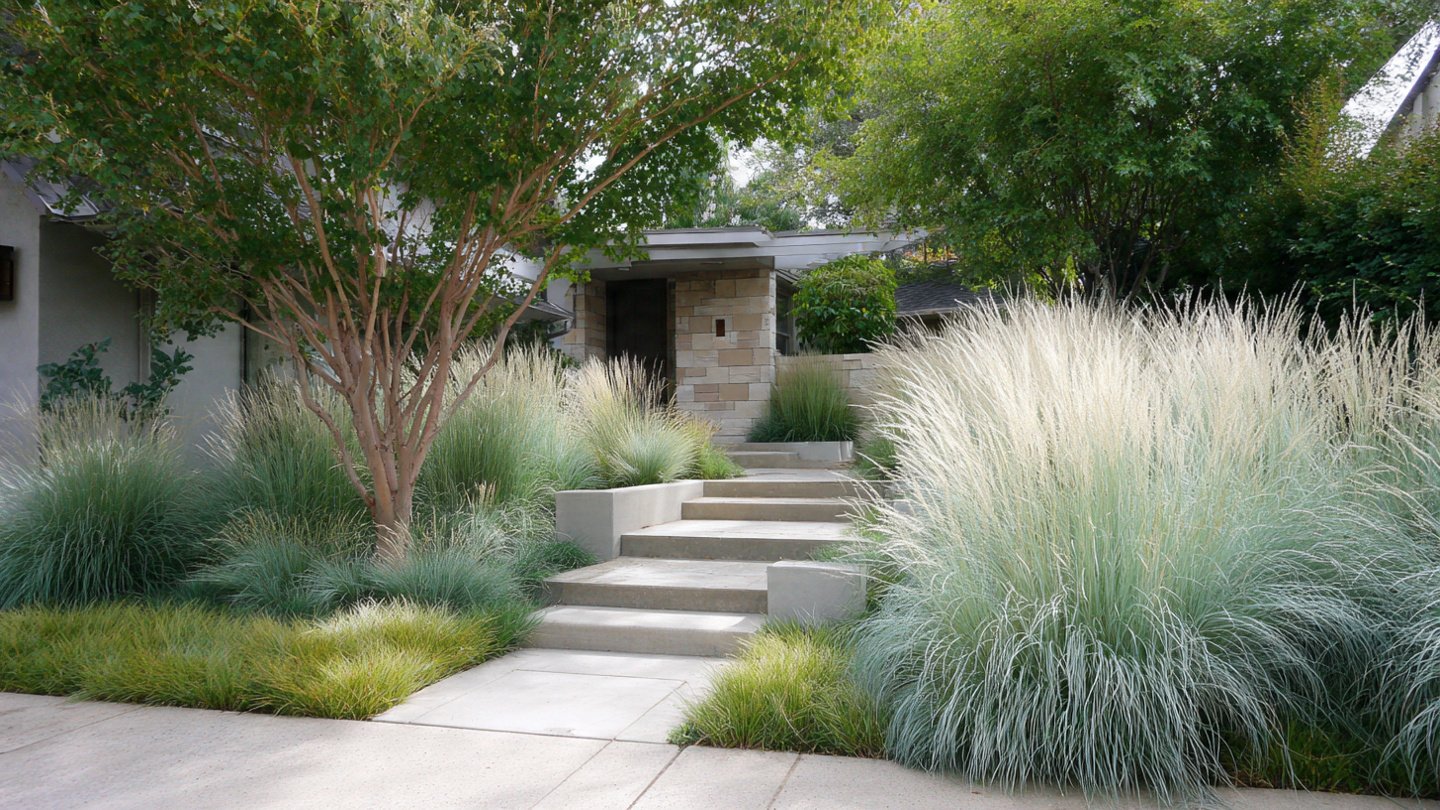
In recent years, the trend of incorporating unique plants into landscaping and indoor spaces has surged, with Blue Oat Grass (Helictotrichon sempervirens) leading the charge. Known for its striking blue-green hue and graceful arching blades, this ornamental grass can instantly elevate the aesthetic appeal of any environment, imbuing it with a contemporary flair. This article explores the characteristics, benefits, and design ideas related to Blue Oat Grass, demonstrating how it can transform your space and create a modern vibe.
Understanding Blue Oat Grass
Blue Oat Grass is a perennial grass native to Europe and Asia. It typically grows to a height of 2 to 3 feet and forms dense clumps that can spread 18 to 24 inches wide. With its upright habit and striking silvery-blue blades, it captures attention and draws the eye. In summer, it produces delicate flower spikes that add an additional layer of visual interest, transitioning into shades of golden-brown as they mature in the fall.
Ideal Growing Conditions
To fully appreciate the beauty of Blue Oat Grass, it’s essential to plant it in the right conditions. This grass thrives in full sunlight and well-drained soils, making it suitable for various landscapes, including gardens, public parks, and residential yards. It’s drought-tolerant once established, which adds to its practicality for modern landscapes focused on sustainability.
Benefits of Planting Blue Oat Grass

Aesthetic Appeal
The most immediate benefit of Blue Oat Grass is its unique visual appeal. Its blue-green coloration contrasts beautifully with other green plants, making it a perfect centerpiece in a garden or landscape design. When planted in groups, it creates a striking visual impact, perfect for minimalist and modern landscapes.
Diversity and Textural Contrast
Its fine, feathery foliage introduces a contrasting texture to bold, structural plants. This makes Blue Oat Grass an invaluable component in designs striving for balance and harmony. It works beautifully alongside perennials, shrubs, and even other grasses, offering a dynamic interplay of shapes and colors.
Sustainability
In an era where sustainability is crucial, Blue Oat Grass is a responsible choice. Besides being drought-resistant, it attracts pollinators, contributing positively to the ecosystem. Additionally, its low-maintenance nature means less reliance on fertilizers and chemicals, which is beneficial for the environment.
Versatility in Design
Blue Oat Grass is versatile in its applications. It can be used in various landscapes, such as borders, rock gardens, or as a focal point in contemporary garden designs. It can also serve effectively in urban environments, softening harsh landscapes and bringing a touch of nature to built spaces.

Design Ideas with Blue Oat Grass
Contemporary Garden Borders
Using Blue Oat Grass to create modern garden borders can enhance the overall aesthetics of your outdoor space. Pair it with low-maintenance flowering plants and shrubs with vibrant colors. This will help break the monotony of green and create a stunning visual palette.
Water Features
Incorporating Blue Oat Grass around water features such as ponds or fountains can create a serene, calming environment. The soft foliage of the grass juxtaposed against the water enhances the overall tranquility and beauty of the landscape.
Containers and Indoor Spaces
For those with limited garden space, Blue Oat Grass can also be grown in containers. Combining it with other ornamental plants in a stylish pot can bring modern elegance to balconies, patios, or even indoors. Its striking appearance can enhance the aesthetics of various interior styles, from minimalist to modern industrial.

Seasonal Displays
Blue Oat Grass can be a part of seasonal displays alongside annual flowers, creating a dynamic environment that changes throughout the year. Its golden-brown foliage in the fall can complement the vibrant colors of autumn, offering a year-round impact.
Maintenance Tips for Blue Oat Grass
While Blue Oat Grass is generally low-maintenance, some regular care will ensure its optimal growth. Here are a few tips:
- Watering: Establish a deep root system with regular watering, particularly in the first year. Once established, it requires less frequent watering.
- Fertilizing: Fertilization is not usually required, but a light application of a balanced fertilizer in early spring can enhance growth.
- Pruning: In late winter or early spring, cut back the grass to promote new growth while removing damaged or dead foliage.
- Division: To encourage healthy growth and rejuvenate older plants, consider dividing the clumps every 3-4 years in the spring.

Conclusion
In summary, planting Blue Oat Grass offers an array of benefits that can transform your space into a modern haven. From its stunning visual appeal and versatile design potential to its sustainable and low-maintenance qualities, Blue Oat Grass is an excellent choice for anyone looking to elevate their outdoor or indoor area. Whether it’s softening the edges of a contemporary garden, enhancing indoor decor, or even attracting beneficial pollinators, Blue Oat Grass is a remarkable addition to any landscape.
FAQs
1. Is Blue Oat Grass suitable for all climates?
While Blue Oat Grass is adaptable, it thrives best in regions with full sun and well-drained soils. It is hardy in USDA zones 5-9.
2. Can Blue Oat Grass be grown indoors?
Yes, Blue Oat Grass can be grown in containers indoors. Ensure they get sufficient sunlight and drainage.
3. How often should Blue Oat Grass be watered?

Water regularly during the first year to establish roots. Once established, it is drought-tolerant and requires less frequent watering.
4. What companion plants work well with Blue Oat Grass?
Blue Oat Grass pairs well with a variety of perennials, flowering plants, and other ornamental grasses to create a harmonious landscape.
5. When is the best time to prune Blue Oat Grass?
Pruning is best done in late winter or early spring before new growth begins to emerge. This helps rejuvenate the plant for the coming season.