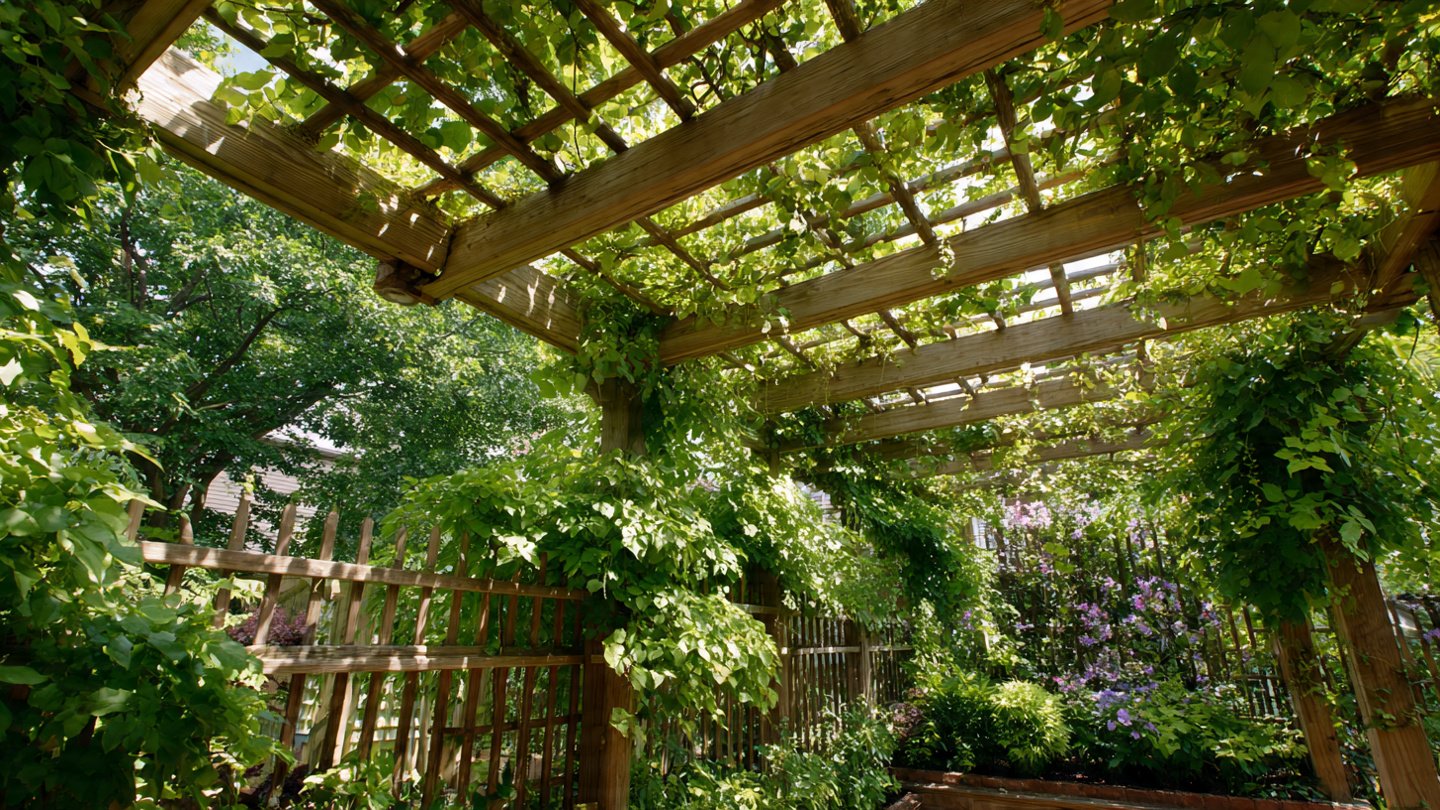
Gardening is an art, a science, and for many, a form of therapy. The joy of seeing plants thrive and flourish in a well-tended garden can be incredibly rewarding. Among the many techniques that can elevate your gardening game, the use of a trellis stands out as a powerful ally, especially for climbing plants. But how exactly can a simple structure like a trellis transform your climbing plants into garden champions? Let’s delve into this.
Understanding Climbing Plants
Climbing plants, also known as vine plants, rely on external support for growth. They offer a unique beauty, adding vertical interest to your garden, and can be categorized into two main types: true climbers and sprawlers.
-
True Climbers: These plants have specialized adaptations, such as tendrils, twining stems, or adhesive pads that allow them to climb.
-
Sprawlers: These need a bit of assistance and will spread along the ground unless supported.
Popular Climbing Plants:
- Clematis: Known for its stunning flowers.
- Hops: Used both for gardening and brewing.
- Peas: Ideal for edible gardens.
- Ivy: Great for covering walls and creating green privacy.

What Is a Trellis?
A trellis is a framework, often made from wood or metal, designed to support climbing plants. It can take on various forms and sizes, from simple A-frames to elaborate lattice designs. Regardless of its form, the primary function of a trellis is to provide support, allowing climbers to grow upwards rather than outwards.
Advantages of Using a Trellis
-
Maximized Space: For urban gardeners or those with limited space, a trellis allows the vertical growth of plants. This is particularly beneficial in smaller gardens, balconies, or patios where ground space is minimal.
-
Improved Air Circulation: Climbing plants can become dense and bushy, which can trap moisture and lead to diseases. A trellis encourages better air circulation around the foliage. Enhanced airflow reduces the possibility of fungal infections and other diseases.
-
Better Sunlight Exposure: By growing upwards, climbing plants have better access to sunlight. Many vines can become overshadowed when sprawled on the ground, limiting their growth capabilities. A trellis allows them to bask in the sun, vital for photosynthesis and overall plant health.

-
Ease of Harvesting: For edible climbers like beans, peas, and tomatoes, a trellis makes harvesting much simpler, reducing the strain on the gardener’s back and allowing easier access to the fruit or flowers.
-
Pest Management: Climbing plants can benefit from reduced pest activity. By ensuring plants aren’t touching the ground, you can decrease the likelihood of pest infestations and reduce the need for chemical interventions.
-
Aesthetic Appeal: A trellis offers visual interest in the garden, acting as a focal point or an artistic element. Varieties of climbing plants can add vibrant colors and textures to an otherwise flat landscape.
Choosing the Right Trellis
When considering how to transform your climbing plants into champions, selecting the right type of trellis is crucial. Here’s a guide to different types of trellises and their best uses:
-
Lattice Trellis: A classic trellis style, great for climbing plants like clematis and roses. The crisscross design allows plants to latch on easily.
-
A-Frame: Ideal for supporting heavy fruits like melons or beans. Its structure allows for easy access from both sides.

-
Arched Trellis: This offers a stunning focal point, perfect for entryways or pathways. Many flowers, like sweet peas, thrive on curved structures.
-
Wall-Mounted Trellis: When space is limited, these trellises can be affixed to walls, ideal for wall gardens or climbing vines like jasmine.
-
Cylindrical Trellis: Great for container gardens, this type allows vines to spiral upwards, offering a lush centerpiece for patios or balconies.
Installation Tips
To correctly set up a trellis, specific steps must be followed to ensure your climbing plants get the best support:
-
Location: Choose the right spot. Consider the light the plants will require and install the trellis in a location where it receives adequate sunlight throughout the day.
-
Soil Preparation: Before you plant, ensure the soil is well-drained and enriched with organic matter. This promotes healthy root growth, enabling the plant to properly anchor itself to the trellis.

-
Height Consideration: Ensure the trellis is tall enough to support the expected growth of the plant and also that it is stable against winds or heavy rains.
-
Attach the Trellis: If using a wall-mounted trellis, secure it properly. Use anchors that can withstand the weight of the plant and provide stability.
-
Guide the Plants: When planting, gently guide the young vines towards the trellis, using garden ties or clips if necessary. They often need a little encouragement to find their way upwards initially.
Maintenance and Care
Once your trellis is in place and your climbing plants are thriving, regular maintenance is essential to keep them healthy and productive:
-
Pruning: Some climbing plants require pruning to encourage bushier growth and more blooms. This often involves cutting back older growth to promote new shoots.
-
Training: As your plants grow, continue training them on the trellis. This involves gently wrapping the vines around the supports and ensuring they don’t become tangled.

-
Watering: Ensure consistent watering, especially during dry spells. Plants climbing on trellises can dry out more quickly than ground-planted varieties.
-
Fertilizing: Regular feeding with a balanced fertilizer can promote vigorous growth. Be cautious not to over-fertilize, as this can lead to lush foliage but fewer blooms.
-
Disease Management: Keep an eye out for pests or diseases. Regularly check for signs of aphids, spider mites, or fungal infections. Early intervention is key for successful management.
Conclusion
Transforming your climbing plants into garden champions with a trellis is not just about aesthetics; it’s about nurturing the plants and allowing them to reach their full potential. Whether you’re looking for vertical beauty, space-saving solutions, or easier harvesting, a trellis can be the game-changer in your gardening journey.
As you explore the different styles and functions of trellises, you’ll find that they enhance not only the growth of your climbing plants but also the overall ambiance of your garden. With the right care, each twist and turn of your plants will climb higher, bloom brighter, and ultimately thrive in a beautifully orchestrated garden space. Embrace the possibilities a trellis offers, and watch as your climbing plants become the champions of your green oasis.