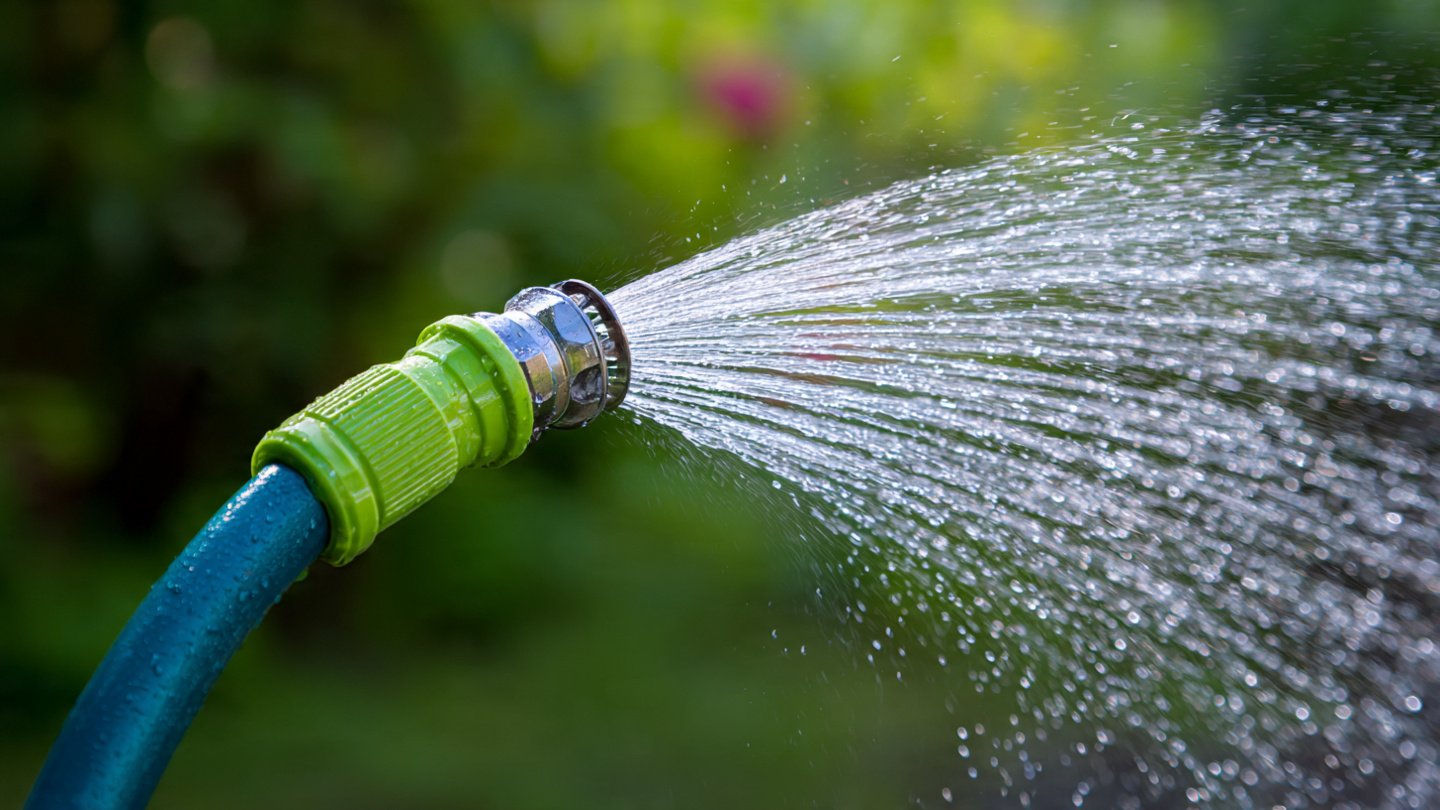
Watering your garden might seem like a straightforward task, but it can significantly affect your plants’ health and your overall gardening efficiency. Traditionally, many gardeners have relied on buckets and watering cans, but these methods can be time-consuming and labor-intensive. Enter the garden hose—a simple tool that can revolutionize your watering routine. In this article, we will explore how a garden hose can maximize your watering efficiency, the different types available, and practical tips for using it effectively.
The Importance of Efficient Watering
Garden plants require the right amount of water to thrive. Overwatering can lead to root rot, while underwatering can cause plants to wilt and die. An efficient watering routine not only ensures that your plants receive the right amount of moisture but also conserves water, helping you save on utility bills and contribute to environmental sustainability.
Why Choose a Garden Hose?
- Speed: A garden hose allows you to water a larger area in a shorter amount of time compared to traditional methods.
- Convenience: With various lengths and nozzle attachments, a hose can reach every corner of your garden without the need for multiple trips.
- Water Control: Many hoses come with adjustable nozzles that allow you to control the flow rate and pattern, ensuring that the water goes where it’s needed most.
- Durability: Unlike buckets or watering cans, hoses are designed to withstand weather elements and wear over time.

Choosing the Right Garden Hose
Not all garden hoses are created equal, and choosing the right one can impact your watering efficiency:
- Material: Hoses are typically made of rubber, vinyl, or hybrid materials. Rubber hoses are durable and resistant to wear but can be heavy. Vinyl hoses are lighter and less expensive but may not last as long. Hybrid hoses combine the qualities of both for a balance of weight and durability.
- Length: Select a length that covers your garden area without excessive slack, as this can cause blockages and reduce water pressure.
- Diameter: A wider diameter hose can deliver more water per minute, which can save time.
- Fittings: Opt for hoses with brass fittings, as these are more durable than plastic ones.

Garden Hose Accessories to Boost Efficiency
To transform your watering routine, consider utilizing these accessories:
- Nozzle Attachments: Adjustable nozzles allow you to switch between a gentle spray for seedlings and a more concentrated stream for established plants.
- Hose Reel: A reel prevents tangles and kinks while ensuring that your hose remains in optimal condition for use.
- Soaker Hoses: These hoses slowly release water along their length, providing deep watering directly to the roots and reducing evaporation.
- Timers: Installing a timer can take the guesswork out of watering, ensuring your garden receives consistent moisture without overwatering.
Practical Tips for Effective Watering with a Hose
To maximize the efficiency of your watering routine, follow these practical tips:

- Water Early or Late: Morning or late afternoon is the best time for watering, as it reduces evaporation and allows plants to absorb moisture effectively.
- Use a Wand: A watering wand extends your reach, making it easier to water hanging baskets or hard-to-reach areas.
- Mulch Your Garden: Mulching helps retain moisture in the soil, reducing the frequency with which you need to water.
- Focus on the Roots: Direct water to the root zone rather than the foliage to improve absorption and reduce disease risk.
Water Conservation Techniques
Adopting water conservation techniques can further enhance your watering efficiency:
- Install a Rain Barrel: Collecting rainwater can provide a sustainable water source for your garden.
- Optimize Plant Selection: Choose drought-tolerant plants that require less water, especially in arid regions.
- Implement Drip Irrigation: This method delivers water directly to the plants’ roots in a slow, controlled manner, minimizing waste.

Conclusion
A garden hose is far more than just a simple garden tool; it can transform your entire watering routine, making it more efficient and less labor-intensive. By selecting the right hose and any helpful accessories, applying practical watering techniques, and adopting water conservation methods, you can ensure that your plants receive the right amount of moisture they need to thrive while also conserving water. A well-planned watering strategy not only benefits your garden but also contributes to a more sustainable future.
FAQs
- How often should I water my garden? This depends on the type of plants, climate, and soil type. Generally, most gardens need about 1 inch of water per week.
- Can I use a hose to water indoor plants? Yes, but be cautious of overwatering. Consider using a watering can for more control with indoor plants.
- What is the best nozzle type for a garden hose? Adjustable nozzles are versatile and allow you to customize the flow and pattern according to your needs.
- How do I prevent my hose from kinking? Proper storage on a hose reel and ensuring there are no sharp bends during use can help prevent kinking.
