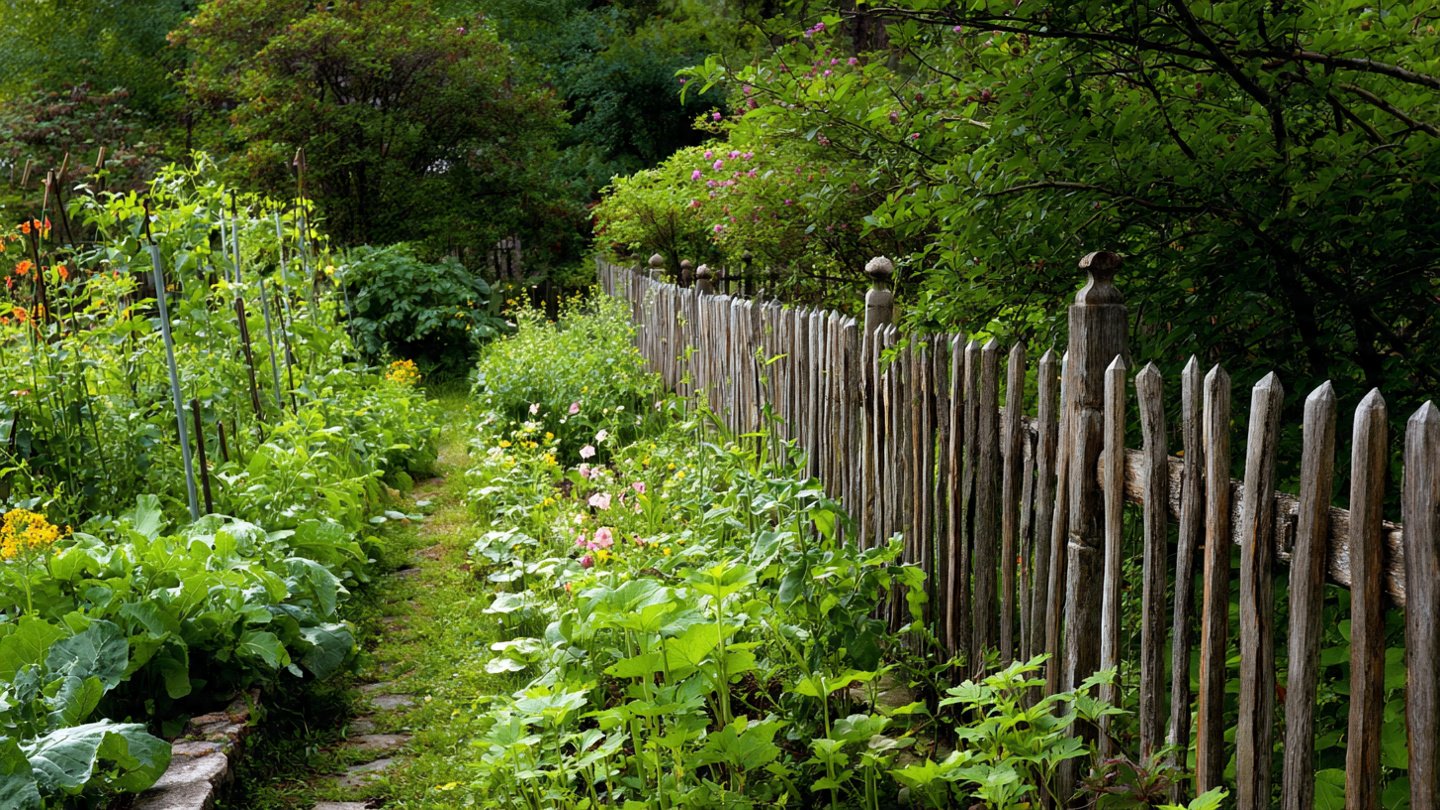
Creating a flourishing vegetable garden goes beyond merely planting seeds and nurturing them into robust plants. One might often overlook an essential aspect of garden success: the fence. A well-structured fence can dramatically enhance the security of your vegetable garden while improving the overall growth potential of your crops. In this article, we’ll explore how a fence can transform your vegetable garden’s security and success, ensuring your hard work pays off.
The Importance of Security in a Vegetable Garden
Your vegetable garden is a labor of love, filled with hours of nurturing, planning, and care. Unfortunately, various threats can compromise your efforts. These threats can be divided into two main categories: wildlife and human interference.
Wildlife Threats
Animals such as deer, rabbits, and birds can wreak havoc on your vegetable garden, consuming your crops before you even have a chance to harvest them. Here are some common garden pests:
- Deer: Known for munching on leafy greens, these graceful creatures can easily leap over low fences.
- Rabbits: They can quickly decimate young plants by nibbling on stems and leaves.
- Birds: Small birds often peck at fruits and seeds, undermining your harvest.

Human Interference
Unfortunately, gardening isn’t free from the potential of theft or vandalism. Garden thieves or mischievous teenagers can damage or steal plants, tools, and decor. This type of interference can be frustrating and discouraging, especially after putting in so much effort.
How Fencing Enhances Security
A robust fence acts as the first line of defense against both wildlife and human intrusion. Here are several ways fencing can enhance your garden’s security:
Physical Barrier
A fence creates a physical barrier, making it challenging for animals and people to access your garden. This deters creatures from entering and protects your precious plants. Moreover, certain fencing materials can be particularly effective based on their height, structure, and design.
Dissuading Pests
Many animals are deterred by visual or physical barriers. A tall fence, ideally 6 to 8 feet or more for deer, can dissuade large animals from attempting to leap over it. Similarly, smaller critters like rabbits may be kept at bay by a fence buried a foot underground to prevent digging.
Sign of Care

The presence of a well-maintained fence signals that a garden is cared for and protected. This can discourage potential trespassers who may seek easy targets. A vibrant, tended garden within a fenced environment portrays a deterrent aura, enhancing its safety.
Fencing and Garden Success
Fencing doesn’t just enhance security; it also plays a role in the overall success of your garden. Let’s explore how a fence can contribute to growing healthier, more productive plants.
Microclimate Creation
A fence can create sheltered microclimates within your garden. In windy or cold areas, a fence can act as a windbreak, protecting delicate plants from harsh conditions. It can also provide shade, particularly in areas where sun exposure is excessive, thus preventing sunburn on tender crops.
Heightened Growth Potential
By protecting plants from animals that consume foliage and fruits, a fence allows for greater growth potential. With security in place, plants can flourish, leading to a more bountiful harvest. When the risk of loss is minimized, gardeners can focus more on cultivation and care.
Improved Plant Organization
Fencing can also aid in organizing plants by sectioning off different areas of your garden. You can designate zones for specific crops, companion planting, or even flower beds. This organization improves overall management and allows for better care of each plant type.

Types of Fencing for Vegetable Gardens
Choosing the right type of fence can make a significant difference in your garden’s security and success. There are a variety of fencing options tailored to suit different needs and aesthetics. Here are some popular types:
Wood Fencing
Wooden fences are aesthetically pleasing and can be constructed to various heights. They provide solid barriers against larger animals but may require maintenance to prevent rot or damage over time.
Metal Fencing
Metal fencing, including chain-link and wrought iron, offers durability and strength. Metal fences can be a bit daunting visually, but their longevity and resistance to the elements can make them worthwhile.
Vinyl Fencing
Vinyl is low-maintenance and resistant to weathering. It comes in various colors and styles, providing flexibility in design while still effectively keeping both animals and people out.

Netting and Mesh Fencing
For larger wildlife, netting or mesh fences can be effective deterrents. This option allows sunlight and rain to reach the plants while still protecting them from larger animals like deer. However, smaller animals may still find ways to get through or underneath.
Conclusion
In conclusion, a well-implemented fence can serve as a multifunctional asset to your vegetable garden, enhancing both its security and productivity. By protecting against wildlife and human interference, providing a conducive environment for plant growth, and allowing for organization, fencing is a worthwhile investment for any gardener. With the right type of fence, you can feel confident that your hard work will bear fruit—literally.
FAQs
1. What is the best height for a vegetable garden fence?
The ideal height for a vegetable garden fence is typically between 6 to 8 feet, especially to deter larger animals like deer. If you’re mainly concerned about smaller animals, a height of 3 to 4 feet may suffice.
2. Can I use a fence to keep out insects?
While a fence primarily protects against larger animals, barriers like mesh fencing or netting can help protect against insects. However, for comprehensive pest control, consider using additional methods such as insect repellent plants.

3. How much does it cost to install a fence around a vegetable garden?
The cost of installing a fence varies greatly depending on materials, height, and length. On average, you might spend anywhere from $1,000 to $5,000, including labor. It’s essential to budget according to your specific needs and preferences.
4. Do I need a permit to install a fence?
This depends on your locality. Many places have regulations regarding fence installation, especially concerning height and boundary lines. Always check with your local zoning office before proceeding.
5. How can I maintain my garden fence?
Regular maintenance includes checking for damage, cleaning, and treating wood to prevent rot or decay. Metal fences should be inspected for rust, while vinyl fencing may only require occasional washing.