1. Introduction to High-Yield Tomato Gardening
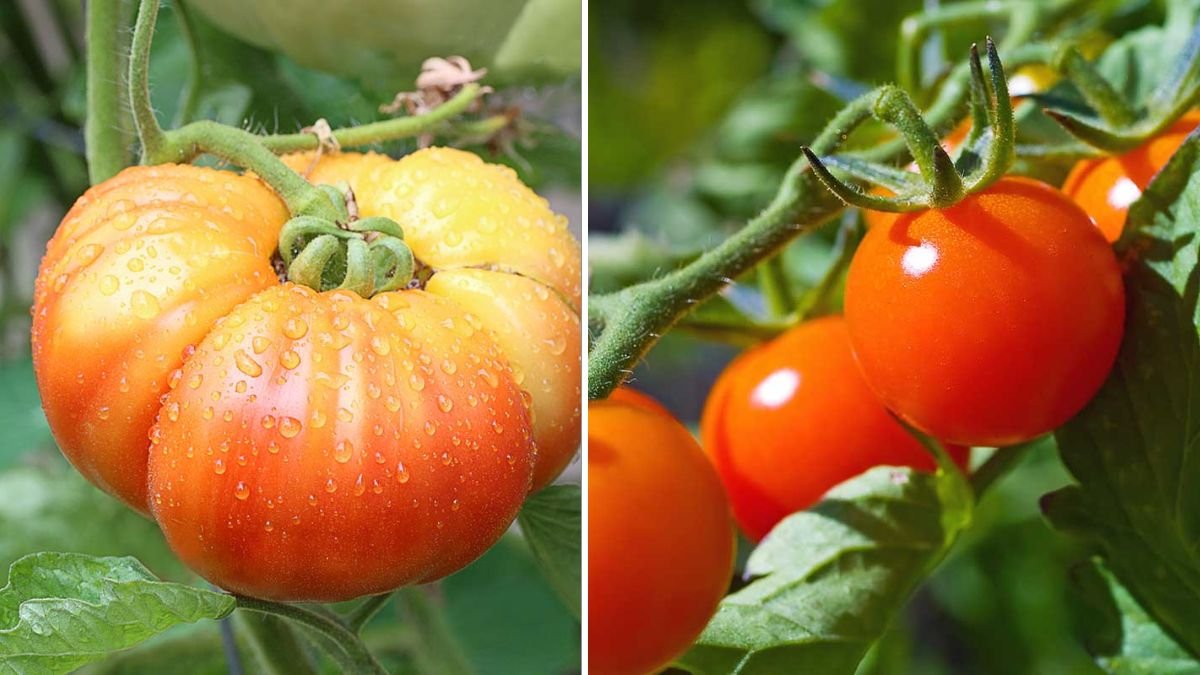
Tomatoes are one of the most popular vegetables grown at home because they are productive, versatile, and nutritious. Many gardeners struggle with slow growth or low yields due to improper techniques. High-yield tomato gardening focuses on speed, plant health, and fruit quality. With the right methods, tomatoes can grow faster and produce earlier harvests. Even small spaces like balconies or terraces can support heavy production. Home-grown tomatoes taste richer and fresher than store varieties. Early harvests allow multiple growing cycles per season. This article explains proven techniques step by step. Beginners and experienced gardeners can both benefit. Proper planning ensures success.
2. Choosing the Right Tomato Varieties
Selecting the correct tomato variety determines growth speed and yield potential. Determinate varieties grow faster and fruit earlier. Indeterminate types provide continuous harvests over a longer period. Cherry and hybrid tomatoes often mature quickly. Disease-resistant varieties reduce losses. Climate-adapted seeds grow more efficiently. Compact varieties suit containers and small spaces. High-yield genetics improve productivity. Seed quality directly impacts plant strength. Choosing wisely saves time and effort.
3. Preparing Soil for Fast Tomato Growth
Tomatoes thrive in loose, nutrient-rich soil that drains well. Soil preparation should begin before planting. Mixing compost with garden soil improves structure and fertility. Organic matter supports beneficial microorganisms. Slightly acidic soil enhances nutrient uptake. Removing stones and weeds allows roots to expand freely. Well-prepared soil warms faster, speeding growth. Healthy soil reduces transplant shock. Strong roots lead to faster flowering. Soil preparation is the foundation of success.
4. Container vs Ground Planting
Both container and ground planting can produce high yields if managed properly. Containers offer better control over soil and moisture. Ground planting allows deeper root growth. Containers are ideal for balconies and patios. Raised beds combine benefits of both systems. Proper spacing is essential in both methods. Drainage is easier to manage in containers. Ground soil requires careful pest management. Each method suits different spaces. Choose based on available area.

5. Seed Germination Techniques
Fast germination gives tomatoes an early advantage. Soaking seeds in warm water improves sprouting speed. Using seed trays allows better control of temperature and moisture. Light, moist soil encourages quick emergence. Avoid overwatering during germination. Warm conditions speed root development. Healthy seedlings grow faster after transplanting. Strong early growth ensures early harvests. Germination usually takes five to seven days. Early care determines plant vigor.
6. Transplanting for Strong Growth
Seedlings should be transplanted when they develop true leaves. Gentle handling prevents root damage. Deep planting strengthens tomato stems. Compost added to planting holes boosts nutrition. Water immediately after transplanting. Shading for a day reduces stress. Proper spacing improves airflow. Strong transplanting techniques prevent stunted growth. Early establishment speeds flowering. Healthy starts lead to heavy yields.
7. Sunlight Requirements
Tomatoes require full sunlight for fast growth and fruit production. Six to eight hours of direct sun is ideal. Morning sunlight is especially beneficial. Insufficient light delays flowering. Reflective surfaces can increase light exposure. Containers can be moved to follow sunlight. Proper sun exposure improves fruit sweetness. Sunlight drives photosynthesis efficiently. Healthy plants grow stronger and faster. Light management is critical.
8. Watering Strategies for Speed
Consistent watering supports rapid tomato growth. Deep watering encourages strong roots. Avoid frequent shallow watering. Morning watering prevents fungal problems. Soil should remain moist but not soggy. Mulching helps retain moisture. Water stress reduces fruit size. Balanced watering increases productivity. Overwatering leads to disease. Proper moisture management accelerates growth.

9. Fertilization for Early Harvest
Tomatoes are heavy feeders and require balanced nutrition. Nitrogen promotes leaf growth early on. Phosphorus supports root and flower development. Potassium enhances fruit size and flavor. Organic compost tea works well. Fertilize every two weeks for best results. Avoid excessive nitrogen during fruiting. Proper feeding speeds flowering. Healthy nutrition leads to early harvests. Balanced fertilizer ensures consistent yields.
10. Pruning and Training Tomatoes
Pruning directs plant energy toward fruit production. Removing excess suckers improves airflow. Trained plants receive better sunlight. Staking or trellising prevents disease. Pruned plants grow more efficiently. Avoid excessive pruning to reduce stress. Proper training supports heavy fruit clusters. Upright plants are easier to manage. Controlled growth accelerates harvesting. Structure improves yield quality.
11. Supporting Tomato Plants
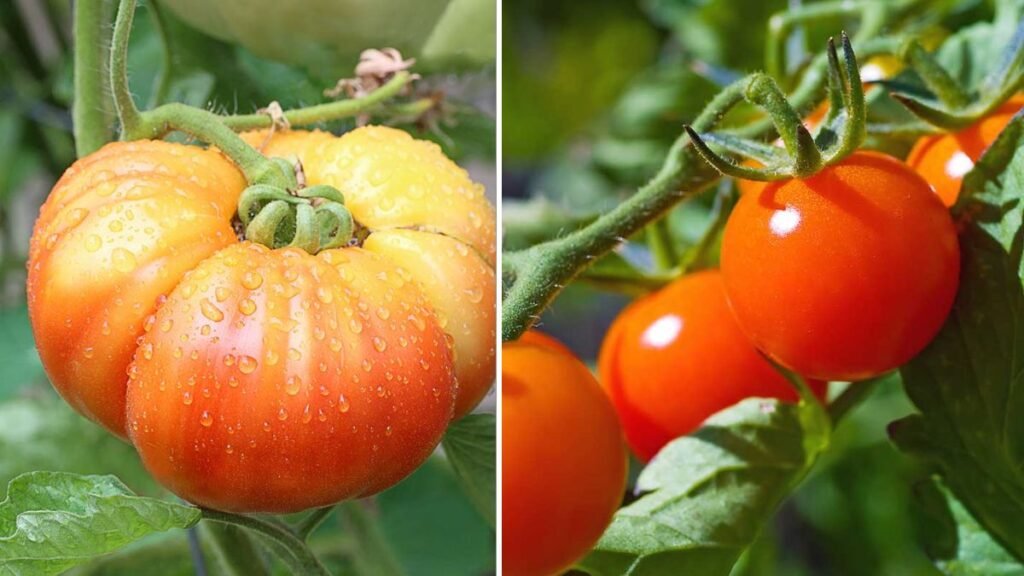
Tomato plants require support as they grow taller. Stakes, cages, or trellises are effective. Support prevents stem breakage. Upright growth reduces pest problems. Supported plants receive even sunlight. Proper ties avoid stem damage. Strong support allows heavier fruit load. Good airflow prevents fungal disease. Support systems increase productivity. Stability improves plant health.
12. Flowering Stage Care
Flowering marks the transition to fruiting. Consistent watering is crucial during this stage. Stress can cause flower drop. Balanced nutrients support flower development. Avoid sudden temperature changes. Pollination improves fruit set. Healthy flowers lead to larger harvests. Monitor pests carefully. Flower care affects yield directly. Gentle handling ensures success.

13. Pollination Tips
Tomatoes are self-pollinating but benefit from gentle assistance. Light shaking of plants helps pollen transfer. Morning is the best time for pollination. Proper airflow aids natural pollination. Avoid excessive humidity. Pollination success determines fruit count. Urban gardens may require manual help. Good pollination ensures uniform fruiting. Strong flowers produce better tomatoes. Pollination boosts yield.
14. Fruit Development Stage
Fruits grow rapidly after pollination. Maintain consistent water and nutrients. Avoid disturbing roots. Monitor plants for pests. Remove weak fruits if overloaded. Proper care ensures even growth. Mulching stabilizes soil temperature. Fruits gain size weekly. Healthy leaves support development. Careful management improves quality.
15. Pest and Disease Prevention
Common tomato pests include aphids and caterpillars. Neem oil provides organic protection. Remove infected leaves early. Good airflow reduces disease risk. Avoid wet foliage at night. Healthy plants resist pests naturally. Preventive care saves harvests. Regular inspection is essential. Disease control maintains growth speed. Protection ensures high yields.
16. Harvesting Tomatoes Early
Harvesting at the right time improves flavor and yield. Pick fruits when fully colored. Morning harvest preserves freshness. Regular harvesting encourages new fruits. Avoid leaving overripe tomatoes. Gentle handling prevents damage. Early harvest allows faster regrowth. Consistent picking improves productivity. Fresh tomatoes taste best. Timing affects quality.

17. Expected Yield Results
High-yield techniques can double production. Each plant can produce several kilograms of fruit. Consistent care increases output. Early harvest allows multiple cycles. Containers can yield surprisingly well. Proper nutrition boosts fruit size. Urban gardeners achieve impressive results. Yield depends on variety and care. Effort directly affects harvest. Success is achievable.
18. Common Mistakes to Avoid
Overwatering causes root problems. Poor soil limits growth. Insufficient sunlight reduces yield. Overfertilization damages plants. Ignoring pruning leads to disease. Crowded planting restricts airflow. Skipping pest checks causes losses. Awareness prevents failure. Small mistakes impact yield. Learning ensures improvement.
19. Tomato Gardening Table
| Item | Purpose | Benefit |
|---|---|---|
| Tomato seedlings | Planting | Faster growth |
| Compost | Nutrition | Higher yield |
| Stakes or cages | Support | Strong plants |
| Mulch | Moisture retention | Healthy roots |
| Neem oil | Pest control | Organic safety |
20. Conclusion
High-yield tomato gardening at home is achievable with the right techniques. Proper variety selection, soil preparation, and care speed up growth. Even small spaces can produce abundant harvests. Early harvesting allows continuous production. Consistent watering and nutrition ensure quality fruits. Simple adjustments lead to big results. Home gardeners enjoy fresher, healthier tomatoes. These methods save time and effort. Anyone can succeed with dedication. Tomatoes reward proper care generously.
