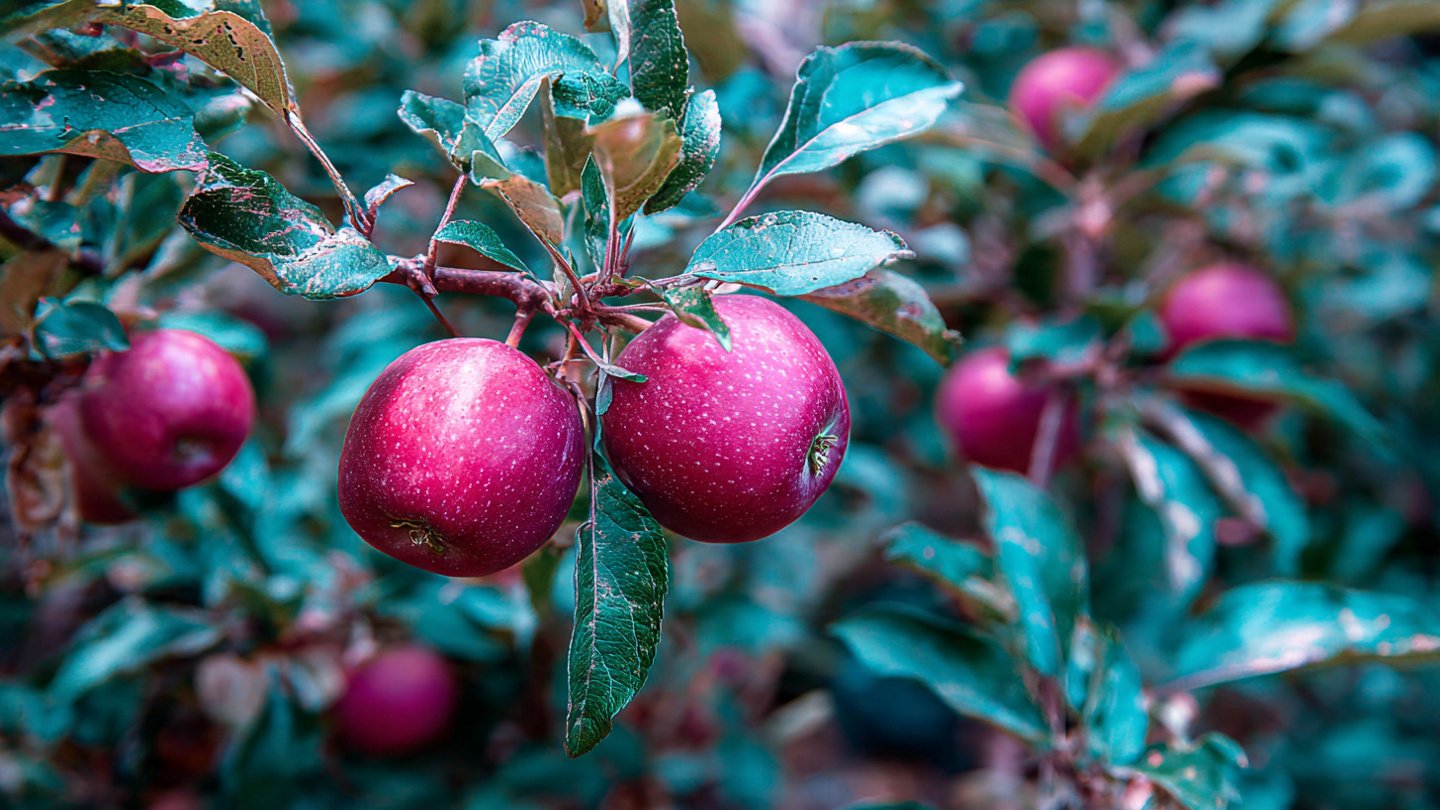
Growing your own apple trees can be a rewarding and enjoyable experience, both for novice and seasoned gardeners alike. The Spartan apple tree, revered for its crisp texture and sweet flavor, is an excellent choice for home orchards. In this comprehensive guide, we will walk you through everything you need to know about planting, caring for, and harvesting Spartan apple trees, ensuring a bountiful yield of fresh apples.
Understanding Spartan Apple Trees
Origin and Characteristics
The Spartan apple was developed in the 1930s in British Columbia, Canada, as a cross between the McIntosh and the Newton Pippin. It possesses several desirable traits, including:
- Flavor: Sweet with a slightly tart undertone, making them great for fresh eating and cooking.
- Texture: Crisp and juicy, perfect for biting into.
- Color: A beautiful red hue with green undertones.
Growth Parameters
Spartan apple trees typically grow to a height of 12 to 15 feet and can spread up to 10 feet wide. They are hardy in USDA zones 3 to 7, making them suitable for a variety of climates.
Choosing the Right Location
Sunlight
Spartan apple trees thrive in full sun, so select a location that receives at least 6 to 8 hours of direct sunlight daily. This will promote healthy growth and increase fruit production.
Soil Conditions

Good soil is crucial for the health of your Spartan apple trees. Here are the ideal conditions:
- Soil Type: Well-drained sandy or loamy soil is best.
- pH Levels: Aim for a pH between 6.0 and 7.0.
- Nutrient-Rich: Incorporate organic matter like compost or well-rotted manure to improve soil quality.
Planting Spartan Apple Trees
When to Plant
The best time to plant Spartan apple trees is in early spring or late fall. Planting during these times allows the tree to establish a strong root system before the harsher weather of summer or winter sets in.
Steps for Planting
-
Prepare the Site: Clear the area of weeds and debris. Test the soil and amend as needed to ensure proper pH and nutrient levels.
-
Dig the Hole: Dig a hole that is twice as wide as the root ball but no deeper than the root ball itself. This allows the roots to spread without risk of rot.
-
Set the Tree: Place the tree in the hole, ensuring the graft union (where the tree was grafted to the rootstock) is above soil level. This prevents rot.
-
Backfill and Water: Fill in the hole with soil, gently patting it down to eliminate air pockets. Water the tree thoroughly to help settle the soil around the roots.

-
Mulch: Apply a layer of organic mulch around the base of the tree to retain moisture and suppress weeds.
Care and Maintenance
Watering
During the first two years, water your Spartan apple tree regularly to establish deep roots. After that, they need about an inch of water weekly, especially during dry spells. Deep watering is more beneficial than shallow frequent watering.
Pruning
Regular pruning is essential for maintaining the tree’s shape and health. Here’s how to prune effectively:
- Timing: Prune during the dormant season (late winter or early spring).
- Techniques:
- Remove any dead, damaged, or diseased branches.
- Thin out crowded growth to allow sunlight and air circulation.
- Aim for an open center to improve airflow and light penetration.
Fertilization
Fertilize your Spartan apple tree in early spring as new growth begins. Use a balanced fertilizer specifically formulated for fruit trees. Follow the manufacturer’s guidelines for application rates.

Pest and Disease Management
Spartan apple trees can be susceptible to pests such as:
- Apple Coddling Moth: Use traps or organic insecticides to manage populations.
- Aphids: Regularly inspect stems and leaves; you can wash them off with a strong water spray.
Common diseases include:
- Powdery Mildew: Manage by practicing good air circulation and applying fungicides if necessary.
- Fire Blight: Remove infected branches promptly to limit spread.
Pollination
Spartan apple trees are not self-pollinating, so you’ll need to plant at least one other apple variety nearby for cross-pollination. Good companions include McIntosh, Cortland, or Gala apple trees.
Harvesting
When to Harvest
Spartan apples typically ripen in late summer to early fall. The fruit is ready for harvest when it exhibits a deep red color, is firm to the touch, and easily detaches from the tree when given a gentle twist.
How to Harvest

To harvest, gently twist the apple until it detaches from the stem. Avoid pulling hard to prevent damage to the tree.
Storage Tips
Store harvested apples in a cool, dry place. They can last for several months in the refrigerator. For optimal storage:
- Keep them in a paper bag or perforated plastic bag to allow for air circulation.
- Avoid storing apples near other fruits, as they produce ethylene gas which can speed up ripening.
Frequently Asked Questions (FAQs)
1. How tall do Spartan apple trees grow?
Spartan apple trees typically grow to heights of 12 to 15 feet.
2. What is the best companion tree for Spartan apples?
Varieties like McIntosh or Gala are excellent companions for cross-pollination, enhancing fruit production.
3. How often should I water a newly planted Spartan apple tree?
Water new trees regularly, aiming for about 1 inch of water per week until they are established, usually within the first two years.
4. When should I prune my Spartan apple tree?

Prune your apple tree during the dormant season, which is late winter or early spring, before new growth begins.
5. What pests are common to Spartan apple trees?
Common pests include apple coddling moths and aphids. Regular inspections and preventive measures can help manage them effectively.
6. Can I grow Spartan apple trees in pots?
While it’s possible to grow Spartan apples in pots, they typically require ample space for root growth. Choose a large pot, and ensure proper drainage and watering.
7. How can I tell when Spartan apples are ripe?
Ripe Spartan apples are deep red, firm, and detach easily from the tree when twisted. Harvest them in late summer to early fall.
8. What’s the best fertilizer for Spartan apple trees?
Use a balanced fertilizer specifically formulated for fruit trees, following the manufacturer’s guidelines for application rates.
Conclusion
Growing Spartan apple trees in your backyard can be a fulfilling endeavor. With the right care, you can enjoy an abundant harvest of crisp, juicy apples. By selecting the right location, providing proper care, and managing pests and diseases, you’ll set yourself up for success. With patience and dedication, these beautiful trees will provide fresh fruit for years to come, making your gardening experience both enjoyable and fruitful. Happy planting!