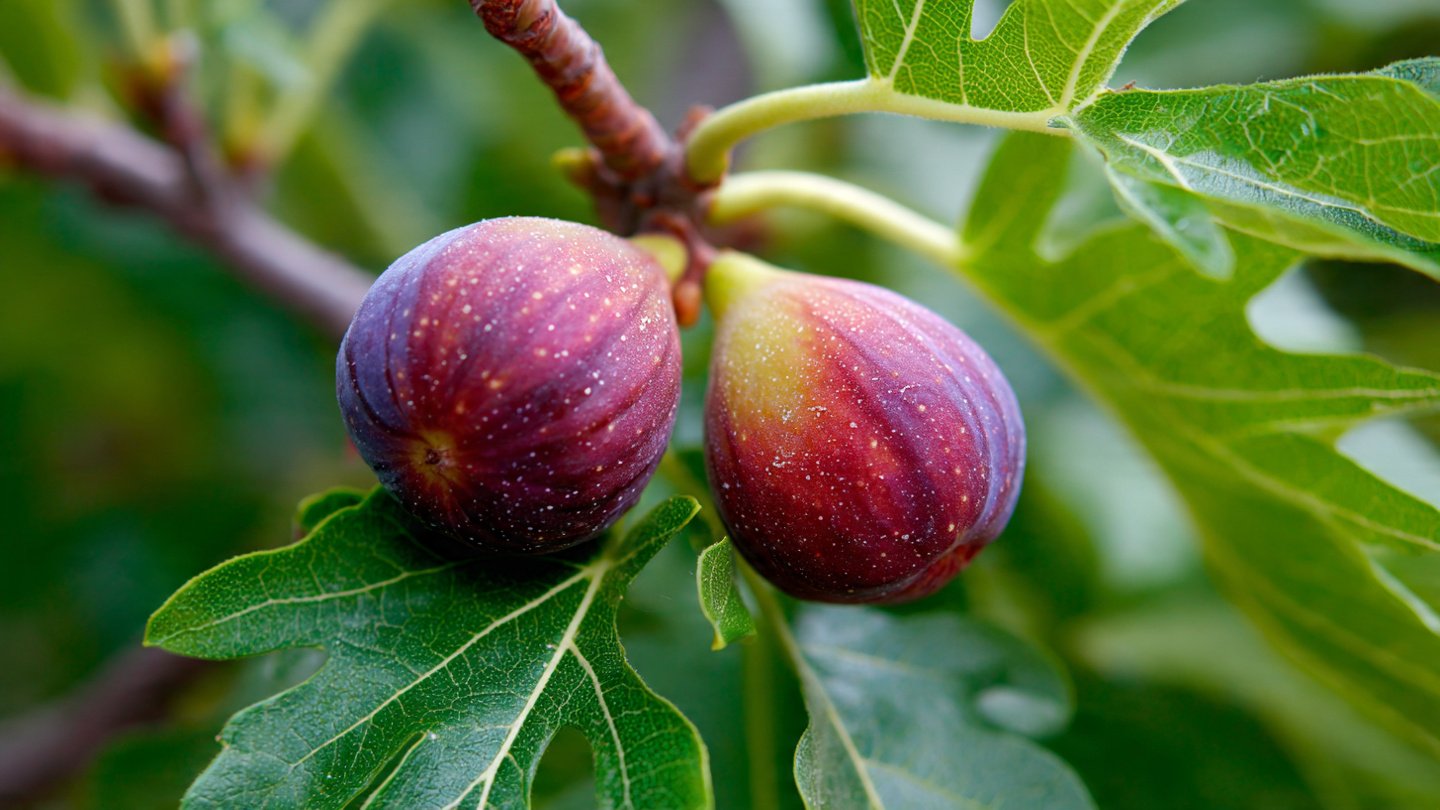
Figs are a delightful fruit, known for their sweet, chewy texture and unique flavor. While traditionally associated with warmer climates, certain hardy fig varieties can thrive in Canada’s diverse climate. This guide will provide you with everything you need to know to successfully grow hardy figs in your home garden.
Understanding Hardy Fig Varieties
Before you start your fig-growing journey, it’s essential to choose the right variety suitable for Canadian climates. Hardy figs can tolerate colder temperatures and still yield fruit.
Recommended Varieties
-
Chicago Hardy Fig (Ficus carica ‘Chicago Hardy’)
- Resilience: Hardy to Zone 5
- Characteristics: Produces sweet figs with a dark purple skin and jam-like texture.
-
Celeste Fig (Ficus carica ‘Celeste’)
- Resilience: Hardy to Zone 6
- Characteristics: Known for its sweet, creamy flesh and soft skin; ideal for fresh eating.
-
Brown Turkey Fig (Ficus carica ‘Brown Turkey’)
- Resilience: Hardy to Zone 6
- Characteristics: Produces large, sweet figs; adaptable to various climates.
-
Hardy Chicago Fig (Ficus carica ‘Hardy Chicago’)
- Resilience: Hardy to Zone 5
- Characteristics: Similar to Chicago Hardy, it is exceptionally cold-tolerant.
Choosing the Right Site
Figs thrive in well-drained soil and sunny locations. Ideally, select a site that receives at least 6-8 hours of sunlight daily. A south-facing wall or a sheltered spot can provide warmth and protection from harsh winds.
Soil Requirements
Figs flourish in well-drained, sandy loam soils enriched with organic matter. Conduct a soil test to determine pH levels – a slightly acidic to neutral pH (6.0 – 7.0) is optimal for fig growth.
Amending the Soil
- Organic Matter: Incorporate compost or well-rotted manure into the soil before planting.
- Drainage: If your soil is heavy clay, consider amending it with sand or peat moss to improve drainage.
Planting Your Hardy Figs
Best Time to Plant
The ideal time to plant figs in Canada is in the spring, after the last frost has passed. This gives the young plants ample time to establish before the cold sets in.
Additional Considerations
- Spacing: Space your fig trees 8-10 feet apart to allow for their large canopy and root system.
- Planting Depth: Dig a hole twice the size of the root ball, place the fig tree in the center, and fill with soil, ensuring the crown of the roots is at soil level.
Watering and Fertilization
Watering
Figs prefer moderate moisture but can tolerate drought once established. Water deeply and consistently, especially during dry spells. Avoid overhead watering to prevent fungal diseases.
Fertilization
Fertilization depends on your soil quality. Most gardeners can benefit from a balanced, slow-release fertilizer in early spring. Avoid excessive nitrogen as it can lead to excessive foliage growth rather than fruit production.
Pruning and Training
Pruning is essential for healthy fig trees as it encourages proper growth and fruiting.
When and How to Prune
- Timing: Prune in late winter or early spring before new growth begins.
- Method: Remove any dead, damaged, or crossing branches. Thin out crowded areas to improve air circulation.
Training Techniques
Consider training your figs into a central leader or an open vase shape to maximize sunlight and airflow penetration.
Pest and Disease Management
Common Pests
-
Fig Borer: Small caterpillars that can damage stems.
- Management: Apply organic insecticidal soap or hand-pick them.
-
Scale Insects: Tiny pests that suck sap from the leaves.
- Management: Use neem oil or horticultural oil for control.

Common Diseases
-
Root Rot: Caused by excessive moisture.
- Management: Ensure proper drainage and avoid overwatering.
-
Fig Rust: A fungal disease characterized by orange spots on leaves.
- Management: Remove affected leaves and apply a fungicide as needed.
Winter Protection
In colder regions, protecting figs during winter is crucial.
Techniques
- Mulching: Apply a thick layer of mulch around the base to insulate the roots.
- Wrapping: For potted figs, move them indoors or wrap them in burlap for extra insulation.
- Tree Wraps: Young trees can be wrapped with burlap or frost cloth.
Harvesting Figs
Figs do not ripen after harvest, so it’s vital to pick them at the right time. The best way to determine ripeness is by touch; ripe figs should be soft to the touch but not mushy. Additionally, look for a slight droop in the stem.
How to Harvest
- Gently twist or cut the figs from the stem.
- Be careful not to damage the fruit or the branches during harvesting.
Culinary Uses of Figs
Figs can be enjoyed in numerous ways, including:
- Fresh: Eat them raw as a snack or add to salads.
- Dried: Dehydrate for a sweet snack or ingredient in baking.
- Preserves: Make fig jam or chutney.
- Savory Dishes: Pair with meats or cheese for a gourmet touch.
FAQs
1. Can I grow figs in a pot?
Yes! Figs can be successfully grown in pots, which makes them ideal for smaller spaces or colder climates. Just ensure the container has good drainage and that you provide consistent care.

2. What is the best fertilizer for figs?
A balanced, all-purpose fertilizer such as 10-10-10 or one specifically formulated for fruit trees can work well. Avoid high-nitrogen fertilizers, which promote foliage instead of fruit.
3. How long does it take for fig trees to produce fruit?
Most fig trees will start producing fruit in 2-3 years after planting, depending on the variety and growing conditions.
4. How can I tell when a fig is ripe?
Ripe figs are slightly soft, have a sweet aroma, and may have a slight droop at the stem. Harvest them before they become overly soft or begin to split.
5. Can I prune figs in the fall?
It’s best to prune figs in late winter or early spring while they are still dormant. Fall pruning can expose the tree to winter damage.
6. What is the ideal climate for growing figs?
Most hardy fig varieties thrive best in USDA Zones 5-6. They prefer full sun and can tolerate brief periods of cold but require winter protection in colder areas.
Conclusion
Growing hardy figs in Canada is achievable with proper planning and care. With the right variety, soil conditions, and maintenance, you can enjoy homegrown figs in your own backyard. From delicious fresh consumption to delightful preserves, the culinary possibilities are endless. Embrace the challenge and start your fig-growing adventure today!