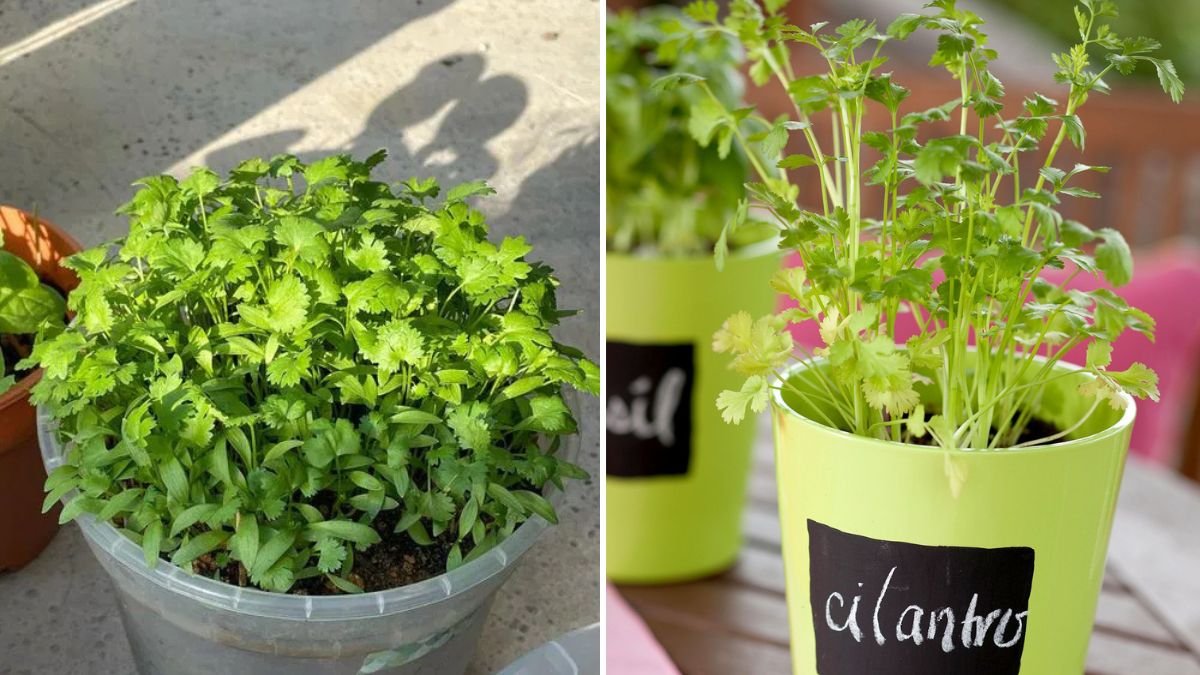
Cilantro is a popular kitchen herb. It grows easily at home. Fresh leaves enhance flavor. Homegrown cilantro is chemical free. It adapts well to containers. Indoor and outdoor growing is possible. Regular care ensures steady harvest. Beginners can succeed easily.
Understanding Cilantro Growth Cycle
Cilantro grows quickly from seed. Leaves appear within weeks. Flowering occurs in warm weather. Bolting shortens leaf harvest. Growth cycle is short. Understanding timing improves results. Quick harvest planning is important.
Choosing the Right Cilantro Variety
Slow-bolting varieties are best. Local seeds adapt faster. Choose varieties for leaf production. Avoid seed-focused types. Disease resistance improves success. Variety choice affects flavor and yield.
Best Climate for Cilantro
Cilantro prefers cool temperatures. Mild sunlight works best. Excess heat causes bolting. Winter and early spring are ideal. Indoor growing avoids heat stress. Climate control improves harvest length.

Soil Requirements
Loose fertile soil is ideal. Good drainage prevents root rot. Compost improves soil quality. Avoid compact soil. Balanced nutrients support leaf growth. Soil preparation matters greatly.
Container Selection
Choose shallow wide containers. Drainage holes are essential. Pots allow easy movement. Terracotta pots regulate moisture. Container size affects growth. Proper pots prevent stress.
Planting Cilantro Seeds
Sow seeds directly in soil. Do not transplant seedlings. Plant shallowly. Space seeds evenly. Water gently after sowing. Proper planting improves germination.
Watering Schedule
Keep soil consistently moist. Avoid waterlogging. Water lightly but regularly. Morning watering works best. Dry soil causes bitterness. Balanced watering improves flavor.

Sunlight Needs
Cilantro needs partial sunlight. Four to five hours is enough. Too much sun causes bolting. Bright indirect light works indoors. Adjust placement as needed.
Fertilizing Cilantro Plants
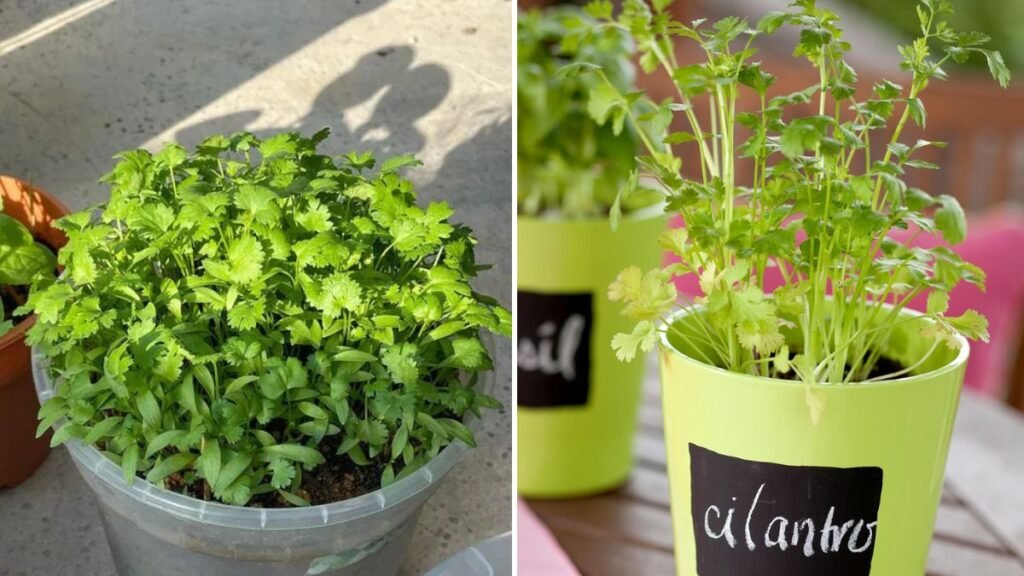
Light feeding is sufficient. Compost tea works well. Avoid heavy fertilizers. Excess nitrogen weakens flavor. Balanced nutrients promote lush leaves.
Thinning Seedlings
Thin plants after sprouting. Leave healthy seedlings. Crowding reduces leaf size. Proper spacing improves airflow. Early thinning ensures strong plants.
Mulching Benefits
Mulch retains moisture. It cools soil temperature. Organic mulch works best. Mulching reduces watering frequency. Healthy soil supports steady growth.

Preventing Bolting
Harvest regularly. Keep soil moist. Provide shade during heat. Choose correct season. Proper care extends leaf production.
Pest Management
Inspect leaves often. Aphids are common pests. Neem oil controls infestations. Healthy plants resist pests naturally.
Harvesting Cilantro Correctly
Harvest outer leaves first. Cut above growth point. Avoid uprooting plants. Regular harvesting encourages regrowth. Morning harvest improves aroma.
Growing Cilantro Indoors
Bright windows work well. Use grow lights if needed. Maintain airflow. Indoor growing avoids heat stress. Fresh herbs year-round are possible.

Succession Planting
Sow seeds every two weeks. Maintain continuous supply. Rotate containers. Planning avoids harvest gaps.
Common Growing Problems
Bolting is most common issue. Overwatering causes rot. Poor light reduces growth. Learning solves problems quickly.
Cilantro Growing Summary Table
| Aspect | Best Practice | Benefit |
| Location | Partial sunlight | Longer harvest |
| Soil | Loose compost mix | Healthy leaves |
| Water | Consistent moisture | Better flavor |
| Harvest | Regular leaf cutting | Continuous growth |
| Method | Direct seeding | Strong plants |
