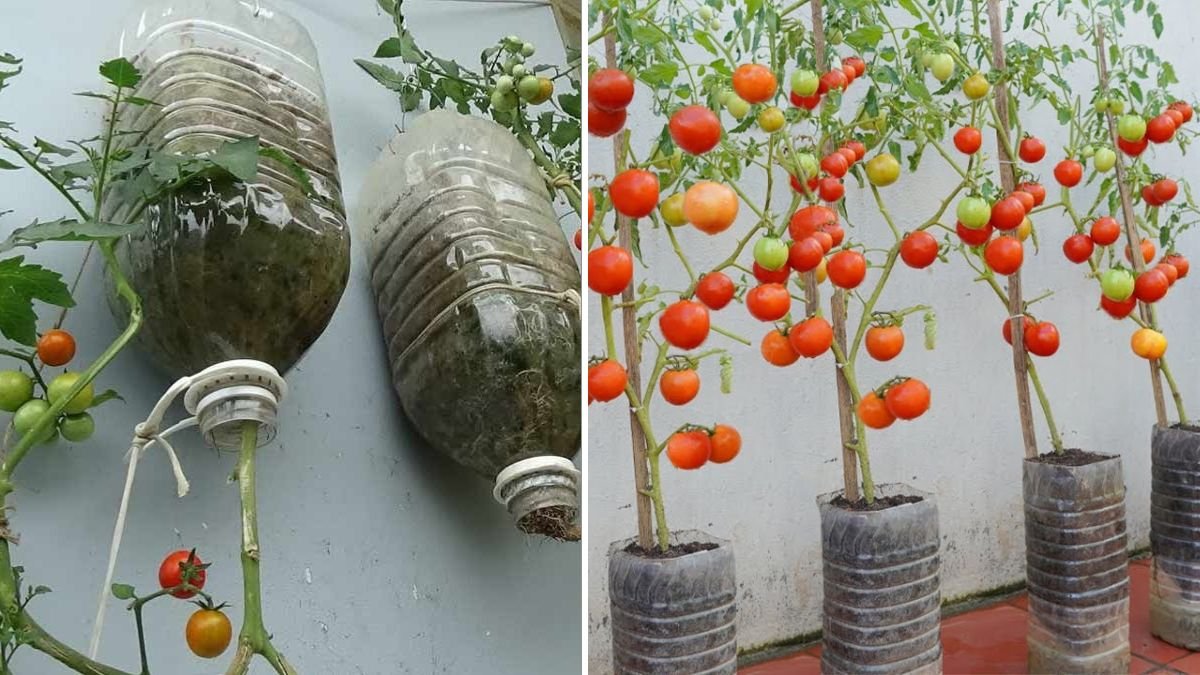
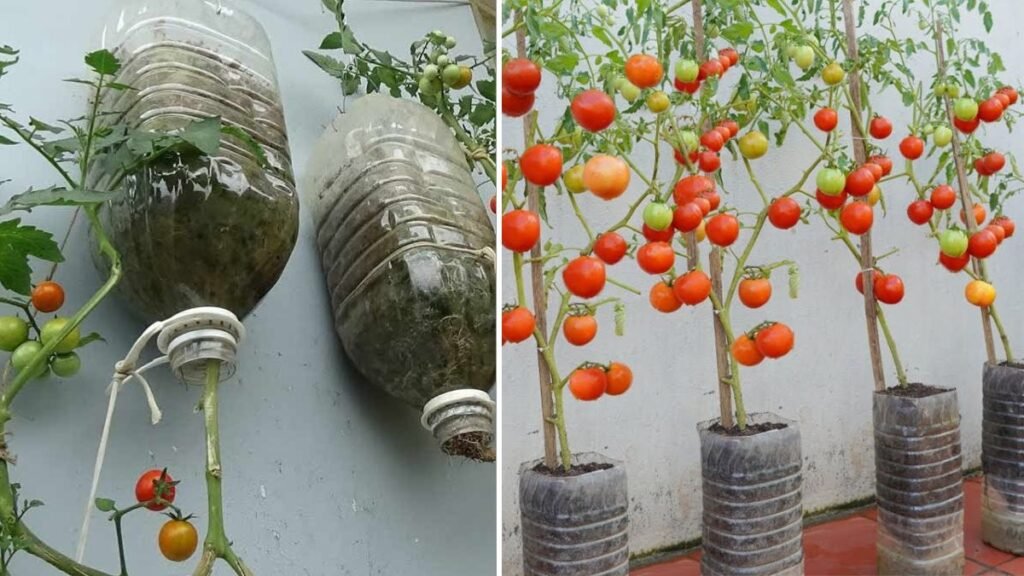
Plastic bottles are an affordable and space-saving method for growing tomatoes. They allow for early and fast growth by keeping roots warm and soil aerated. This method is ideal for balconies, rooftops, and small spaces. Container gardening in bottles reduces soil-borne disease risks. Tomatoes grow healthier and produce early harvests. Bottles are portable and easy to monitor. Recycling bottles reduces waste and saves money. With proper care, even beginners can achieve high yields. Fast-growing tomatoes in bottles are perfect for urban gardeners. This method combines convenience with productivity.
Advantages of Using Plastic Bottles
Plastic bottles are lightweight and widely available. They retain moisture while allowing drainage. Warm soil promotes faster root development. Bottles can be arranged vertically, saving space. Disease and pest exposure are lower than open soil. Bottles are easy to replace if damaged. Soil management is simpler and more precise. Plants grow faster due to controlled environment. Bottles are reusable and affordable. These advantages make bottle gardening highly practical.
Choosing the Right Tomato Varieties
Cherry tomatoes and dwarf determinate varieties perform best. Compact growth focuses energy on fruit production. Early-maturing seeds give quick results. Disease-resistant varieties require less maintenance. Local varieties adapt better to climate. Avoid very tall indeterminate types for bottle gardening. Good seed quality ensures healthy fruits. Compact plants require less support. Proper variety selection increases yield. Choosing the right type is critical for success.

Preparing Plastic Bottles
Use two-liter or larger bottles. Cut horizontally or vertically to create planting space. Drill drainage holes at the bottom. Clean bottles thoroughly. Avoid using bottles that stored chemicals. Smooth edges prevent root or hand damage. Wrap transparent bottles to avoid light exposure on roots. Secure bottles for stability. Proper preparation ensures plant health. Well-prepared bottles support early and healthy growth.
Soil Preparation for Bottle Tomatoes
Tomatoes need loose, fertile soil. Mix garden soil, compost, and cocopeat. Add vermicompost for nutrition. Bone meal prevents blossom end rot. Avoid compact soil. Soil must retain moisture but drain easily. Healthy soil promotes root and stem growth. Well-prepared soil encourages flowering. Soil quality affects fruit size and taste. Balanced soil leads to faster harvest.
Planting Tomato Seedlings
Plant seedlings deeper than their current soil level. Deeper planting strengthens roots. Water immediately after planting. Avoid extreme heat during planting. Place bottles in partial shade initially. Gradually expose plants to sunlight. Ensure seedlings are stable and upright. Correct planting reduces transplant shock. Proper planting improves early flowering. Healthy starts lead to faster harvests.
Sunlight for Fast Growth
Tomatoes need six to eight hours of sunlight. Morning sunlight is ideal. Lack of sunlight delays flowering. Place bottles in open areas. Rotate bottles for uniform light exposure. Avoid fully shaded spots. Sunlight boosts photosynthesis and growth. Strong light improves fruit color. Consistent exposure ensures early harvest. Proper light management accelerates production.
Watering Techniques
Bottles dry out faster than ground soil. Water regularly and moderately. Avoid waterlogging. Morning watering is recommended. Ensure excess water drains out. Mulching reduces evaporation. Consistent moisture prevents fruit cracking. Balanced watering improves size and taste. Proper hydration ensures healthy growth. Correct water management ensures early and abundant yield.
Fertilization Schedule
Tomatoes are heavy feeders. Apply liquid compost every two weeks. Banana peel water boosts potassium. Epsom salt adds magnesium. Avoid excess nitrogen. Too much nitrogen delays fruiting. Balanced feeding encourages flowering and fruiting. Organic fertilizers improve soil structure. Regular feeding accelerates growth. Nutrition is key for early and abundant harvest.
Support for Bottle-Grown Tomatoes
Tomatoes need support as they grow. Use sticks, strings, or mini cages. Tie stems gently to prevent damage. Support prevents bending and breakage. Upright plants receive more sunlight. Airflow reduces fungal disease risk. Bottle gardening allows easy vertical support. Proper staking improves fruit shape. Strong plants are less prone to stress. Support ensures higher productivity.
Pest and Disease Management
Common pests include aphids, whiteflies, and caterpillars. Neem oil or organic sprays work effectively. Remove damaged leaves promptly. Avoid overcrowding bottles to improve airflow. Healthy plants resist pests naturally. Regular inspection prevents infestations. Organic care keeps produce safe. Prevention is better than treatment. Clean gardening practices reduce risk. Maintaining health ensures quick harvests.
Harvesting Tomatoes
Harvest when fruits are fully colored and firm. Vine-ripened tomatoes have the best flavor. Use scissors to avoid stem damage. Morning harvest preserves freshness. Avoid leaving overripe fruits. Regular harvesting encourages continuous flowering. Proper timing improves sweetness. Frequent harvest increases yield. Early and consistent harvest ensures maximum productivity. Fresh tomatoes elevate meals and salads.
Table: Tomato Bottle Gardening Guide
| Factor | Best Practice |
|---|---|
| Bottle size | 2 liters or more |
| Soil | Loose, fertile, organic |
| Sunlight | 6–8 hours daily |
| Watering | Moderate, regular |
| Support | Sticks, strings, mini cages |
Why Bottle Gardening is Effective
Plastic bottles create a controlled environment. Roots grow efficiently in confined space. Nutrients are concentrated near the roots. Watering is easier to manage. Vertical space is efficiently used. Pest exposure is lower. Easy to maintain for beginners. Early harvests are achievable. Productivity is high. Bottle gardening is convenient, low-cost, and reliable.