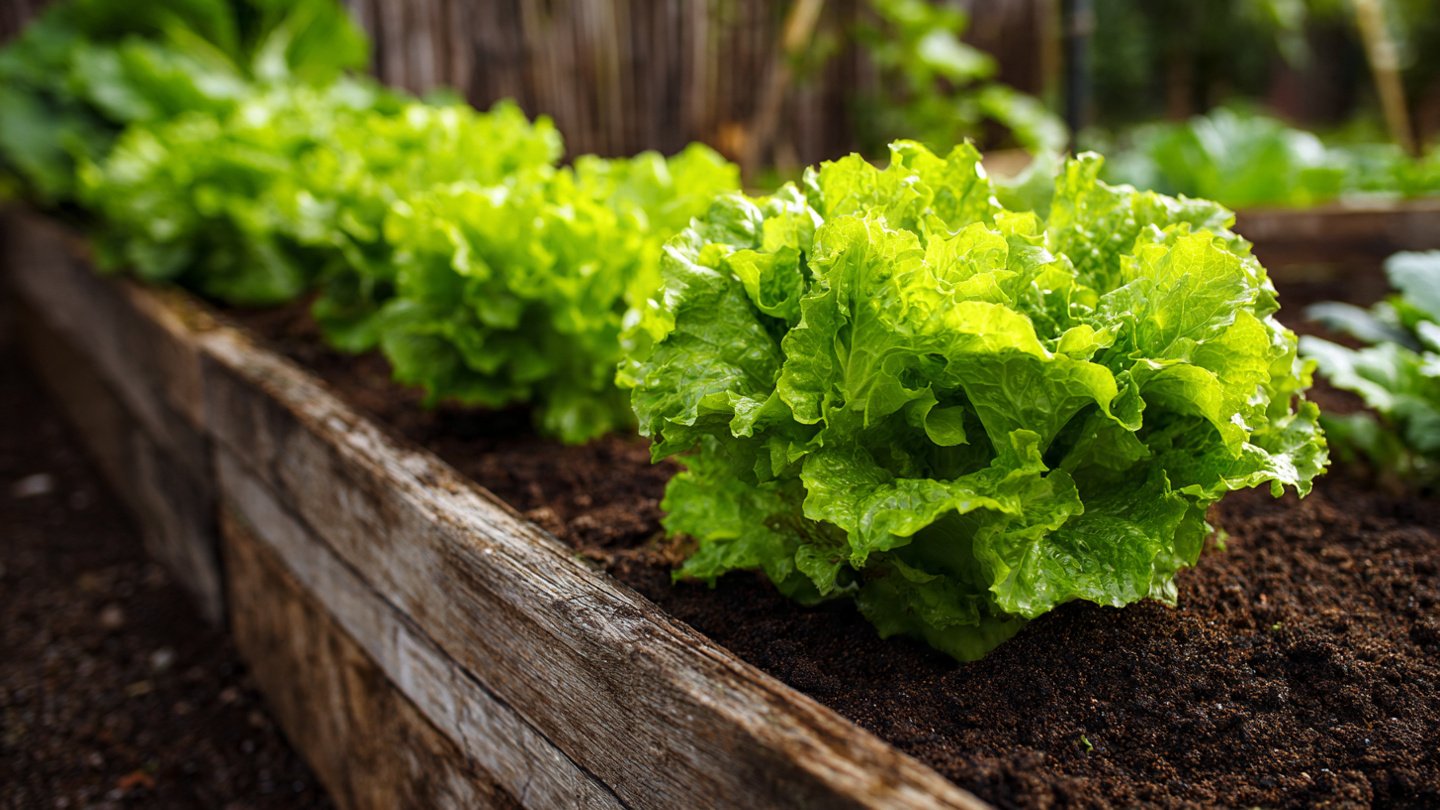
In a world increasingly aware of sustainable living practices, the idea of growing your own food is not just a hobby; it’s a fantastic way to reduce waste and embrace a healthier lifestyle. Among the easiest and most rewarding options for urban gardeners and eco-conscious individuals is growing fresh, crunchy lettuce from kitchen scraps. This guide will walk you through the steps to cultivate your own lettuce, highlighting the benefits, methods, and maintenance, along with an FAQ section to address common questions.
The Appeal of Growing Lettuce from Scraps
Benefits
- Sustainability: Transforming kitchen waste into fresh produce helps minimize food waste, which is a significant issue globally.
- Cost-Effective: Saving money is another significant perk. Instead of purchasing heads of lettuce, you can regrow your own continuously.
- Freshness and Flavor: Homegrown lettuce is often fresher and more flavorful than store-bought options, making your salads and dishes more delightful.
- Educational Opportunity: Growing lettuce or any plant can be a great teaching moment for children and adults alike, fostering an appreciation for nature and gardening.
Choosing the Right Lettuce
Before diving into the how-to, it’s essential to understand the types of lettuce best suited for regrowth from scraps. Here are a few options:
- Romaine: Known for its crisp texture and slightly bitter taste, romaine lettuce is ideal for salads and sandwiches.
- Butterhead: Soft and tender, butterhead varieties can add a velvety touch to your dishes.
- Leaf Lettuce: These are quick-growing varieties that can be harvested multiple times.

Selecting Lettuce Heads for Regrowth
When selecting store-bought lettuce, look for fresh heads with intact core sections. While most leafy greens can regrow, romaine and butterhead lettuces are particularly favored due to their robust centers.
How to Regrow Lettuce from Scraps
Regrowing lettuce from scraps is straightforward and does not require a green thumb. Here’s a step-by-step guide to help you achieve fresh, home-grown lettuce.
Step 1: Preparing the Scraps
- Cut the Lettuce: When you’re ready to cook or prepare a salad, take a sharp knife and cut the lettuce head about 1-2 inches above the base. This base contains the growing nodes necessary for regrowth.
- Wash Thoroughly: Rinse the lettuce base to remove any dirt or chemicals.
Step 2: Set Up Your Growing Environment

Option 1: Water Method
- Place in Water: Fill a shallow bowl or glass with water and place the lettuce stump in it, cut-side up. Ensure the bottom is submerged but the leaves remain above water.
- Sunlight: Position the bowl in a sunny spot, such as a windowsill, where it receives about 6 hours of sunlight daily.
Option 2: Soil Method
- Planting: Fill a pot with soil and insert the cut end of the lettuce stump into the soil about an inch deep.
- Watering: Water the soil lightly to dampen it but avoid overwatering, which can lead to rot.
Step 3: Watch it Grow
- Daily Care: Ensure the water is regularly changed (if using the water method) or that the soil remains moist but not soggy (for the soil method).
- Monitor Growth: In just a few days, you should begin to see new leaves sprouting from the center of the stump.
Step 4: Harvesting
- First Harvest: In about 2-3 weeks, the new leaves will be ready to harvest. Use scissors to snip off the outer leaves, allowing the interior to continue growing.
- Regrowth: With proper care, your lettuce can produce several harvests over time.

Tips for Successful Lettuce Regrowth
- Proper Lighting: Lettuce thrives under sunlight. If adequate sunlight is not available, consider using grow lights.
- Temperature Control: Lettuce prefers cooler temperatures (between 60-70 degrees Fahrenheit), making it suitable for indoor growing, especially during warmer months.
- Minimal Space Required: Use small pots or containers to grow your lettuce, making it suitable for balconies, kitchens, or any small space.
- Try Different Varieties: Don’t hesitate to experiment with different types of lettuce and greens, from arugula to kale.
The Impact of Growing Food From Scraps
By growing your own lettuce from scraps, you’re contributing to a greener planet. Here are a few impacts to consider:
- Reduction in Greenhouse Gases: Decreasing food waste can significantly lower the amount of methane released into the environment from landfills.
- Less Pollution: Purchasing less food means fewer transportation emissions, contributing to cleaner air.
- Community Engagement: Sharing your experience of regrowing food can inspire others in your community to adopt sustainable practices.

Frequently Asked Questions (FAQ)
1. How long does it take for lettuce scraps to regrow?
Generally, lettuce stalks take about 2-3 weeks to produce new leaves. The exact time may vary depending on environmental conditions like light and temperature.
2. Can I regrow lettuce in any season?
Yes, but growth may be slower in colder months. Indoor growth is possible year-round, provided you have adequate lighting and temperature control.
3. Do I need to use fertilizer?
For the water method, additional fertilizer isn’t necessary. However, if you’re using soil, a diluted liquid fertilizer every few weeks can promote growth.
4. What if my lettuce starts to yellow?
Yellowing leaves may indicate overwatering, insufficient sunlight, or nutrient deficiencies. Adjust your care as needed.

5. Can I regrow other vegetables from scraps?
Yes! Many vegetables like green onions, celery, and herbs can also be regrown from scraps. Research what vegetables suit your growing conditions.
6. Is it safe to eat regrown lettuce?
Absolutely! As long as you ensure they’re grown in clean conditions and away from contaminants, regrown lettuce is safe and delicious.
7. How do I store excess lettuce?
Store any harvested lettuce in a sealed container with a damp paper towel in the fridge. This keeps it fresh for several days.
Conclusion
Growing fresh, crunchy lettuce from kitchen scraps is not just a clever way to reduce waste; it serves as a powerful reminder of sustainability and self-sufficiency. By following the steps outlined in this guide, you can enjoy the satisfaction of harvesting your own produce while actively participating in a sustainable lifestyle. Begin your lettuce-growing journey today, and experience the joys and benefits of home gardening!