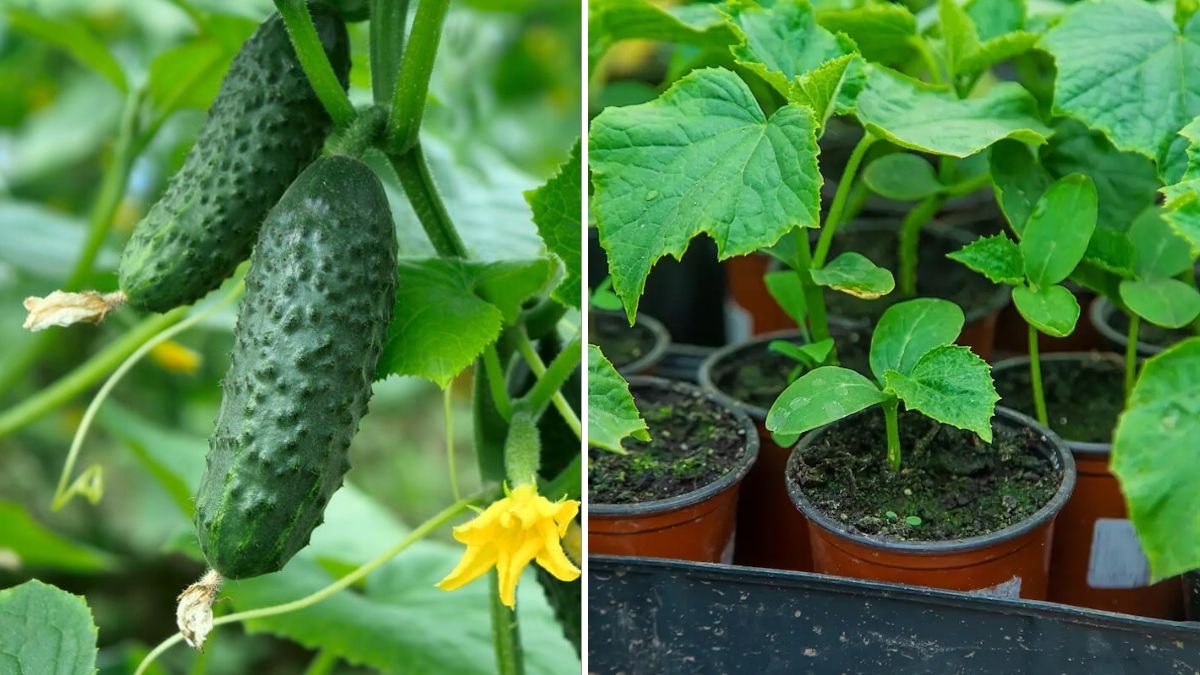
Growing cucumbers in recycled plastic pots is a genius gardening hack. It saves money and reduces waste. Cucumbers grow quickly and adapt well to containers. Plastic pots retain moisture and warmth. This method works perfectly for balconies and terraces. With proper care, recycled containers produce heavy harvests. Home gardeners love this simple, eco-friendly approach. This article explains how to do it successfully.
Why Use Recycled Plastic Pots
Plastic pots are lightweight and durable. They are easy to move. Reusing plastic reduces environmental impact. Containers allow better control over soil and water. Cucumbers thrive in warm containers. Drainage can be customized easily. This method suits beginners. It turns waste into productive garden tools.
Best Cucumber Varieties for Containers
Bush and compact varieties perform best. Climbing varieties also work with support. Fast-growing hybrids yield quickly. Disease-resistant seeds reduce problems. Choose varieties labeled for container gardening. Proper variety selection improves success. Smaller fruits mature faster. Seed quality affects yield.
Recommended Cucumber Types

| Variety Type | Growth Habit | Suitability |
|---|---|---|
| Bush cucumber | Compact | Excellent |
| Climbing cucumber | Vertical | Very good |
Selecting Suitable Plastic Pots
Use pots at least twenty liters in size. Buckets, water cans, or storage boxes work well. Drill drainage holes at the bottom. Clean containers thoroughly before use. Light-colored plastics reduce heat buildup. Sturdy containers support growth. Recycled pots must be safe and food-grade if possible.
Drainage Setup
Good drainage prevents root rot. Add holes generously. Place gravel or broken bricks at the base. Drainage ensures oxygen flow to roots. Proper drainage improves plant health. Avoid standing water. Elevate pots slightly. Well-drained pots support strong vines.
Preparing the Soil Mix
Cucumbers prefer loose, fertile soil. Mix garden soil, compost, and coco peat. Sand improves drainage. Organic matter boosts growth. Avoid compact soil. Healthy soil promotes long fruits. Soil quality affects taste and size. Refresh soil each season.
Planting Cucumber Seeds
Sow seeds directly into pots. Plant two seeds per pot. Thin weaker seedlings later. Water gently after sowing. Keep soil warm and moist. Germination occurs quickly. Avoid deep planting. Healthy seedlings establish fast.

Sunlight Requirements
Cucumbers need full sunlight. Six to eight hours daily is ideal. Place pots in bright locations. Morning sun encourages growth. Rotate pots if needed. Insufficient light reduces yield. Sunlight affects flowering. Healthy plants need consistent exposure.
Watering Routine
Cucumbers need regular watering. Containers dry faster than ground soil. Water deeply and consistently. Avoid water stress to prevent bitterness. Morning watering is best. Mulch reduces evaporation. Check moisture daily. Balanced watering ensures juicy cucumbers.
Feeding and Fertilization
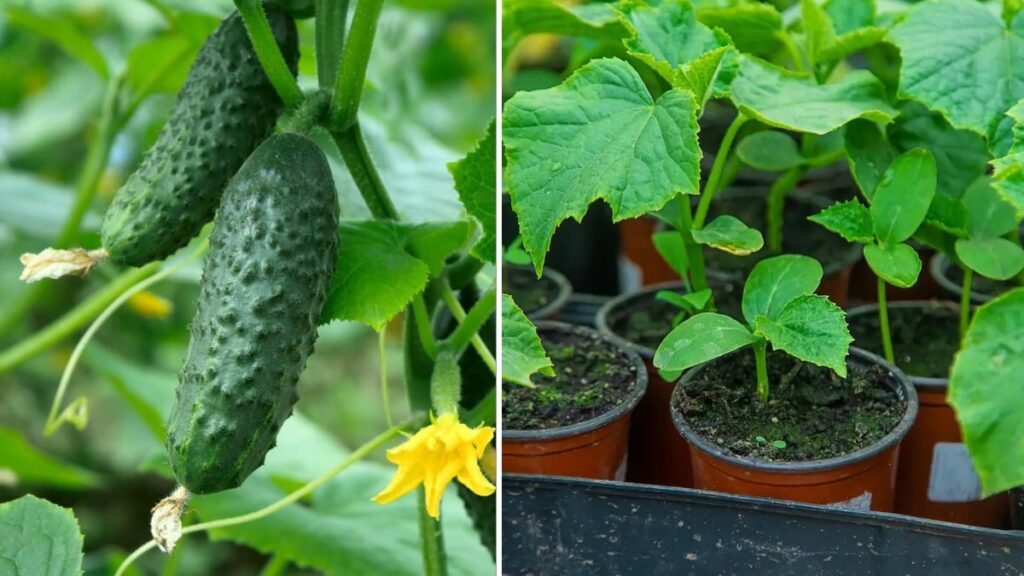
Cucumbers are heavy feeders. Organic liquid fertilizers work well. Feed every ten to fourteen days. Nitrogen supports leaf growth. Potassium boosts flowering and fruiting. Balanced feeding improves yield. Avoid over-fertilization. Healthy nutrition ensures continuous harvest.
Cucumber Feeding Schedule

| Stage | Nutrient Focus |
|---|---|
| Early growth | Nitrogen |
| Flowering | Balanced |
| Fruiting | Potassium |
Supporting Cucumber Vines
Use trellises or strings. Vertical growth saves space. Improves airflow and sunlight. Fruits stay clean and straight. Support reduces disease risk. Secure supports firmly. Vertical gardening increases yield. It makes harvesting easier.
Pruning for Better Yield
Remove excess side shoots. Focus energy on fruiting. Avoid heavy pruning. Remove yellow leaves. Pruning improves airflow. Healthy vines produce more cucumbers. Regular monitoring is needed. Proper pruning boosts productivity.
Pollination Tips
Cucumbers rely on pollination. Encourage bees naturally. Hand pollinate if needed. Healthy flowers produce fruit. Avoid pesticides during flowering. Gentle brushing helps pollination. Good pollination ensures straight fruits. Flower care affects yield.
Pest Management
Common pests include aphids and cucumber beetles. Neem oil works effectively. Inspect leaves regularly. Remove infected parts. Clean pots prevent pests. Companion planting helps. Avoid chemicals. Healthy plants resist pests better.

Disease Prevention
Avoid overhead watering. Ensure airflow. Remove diseased leaves promptly. Use clean soil. Good drainage reduces fungal issues. Rotate crops each season. Container gardening reduces disease risk. Preventive care is essential.
Flowering and Fruit Growth
Balanced care encourages flowering. Female flowers produce cucumbers. Healthy vines bear more flowers. Nutrients and water influence fruit size. Support vines properly. Monitor growth stages. Good care results in heavy harvests. Fruit quality depends on plant health.
Harvesting Cucumbers
Harvest when fruits are young and firm. Overripe cucumbers taste bitter. Pick regularly to encourage more fruit. Use clean tools. Morning harvest preserves freshness. Handle gently. Frequent harvesting increases yield. Fresh cucumbers taste best.
Expected Yield in Plastic Pots
Each pot can produce multiple kilograms. Yield depends on care and variety. Vertical growth increases productivity. Consistent feeding improves harvest. Small spaces deliver big results. Container cucumbers grow fast. High yield is achievable. Urban gardeners benefit greatly.

Environmental Advantages
Recycling plastic reduces waste. Saves water and space. Produces fresh, chemical-free vegetables. Encourages sustainable living. Perfect for urban homes. Reduces food costs. Promotes eco-friendly habits. Gardening improves mental health.
Conclusion
Growing cucumbers in recycled plastic pots is a genius and practical garden hack. It transforms waste into productive garden space. With proper soil, sunlight, and care, anyone can enjoy heavy cucumber harvests at home. This method is affordable, eco-friendly, and perfect for beginners.