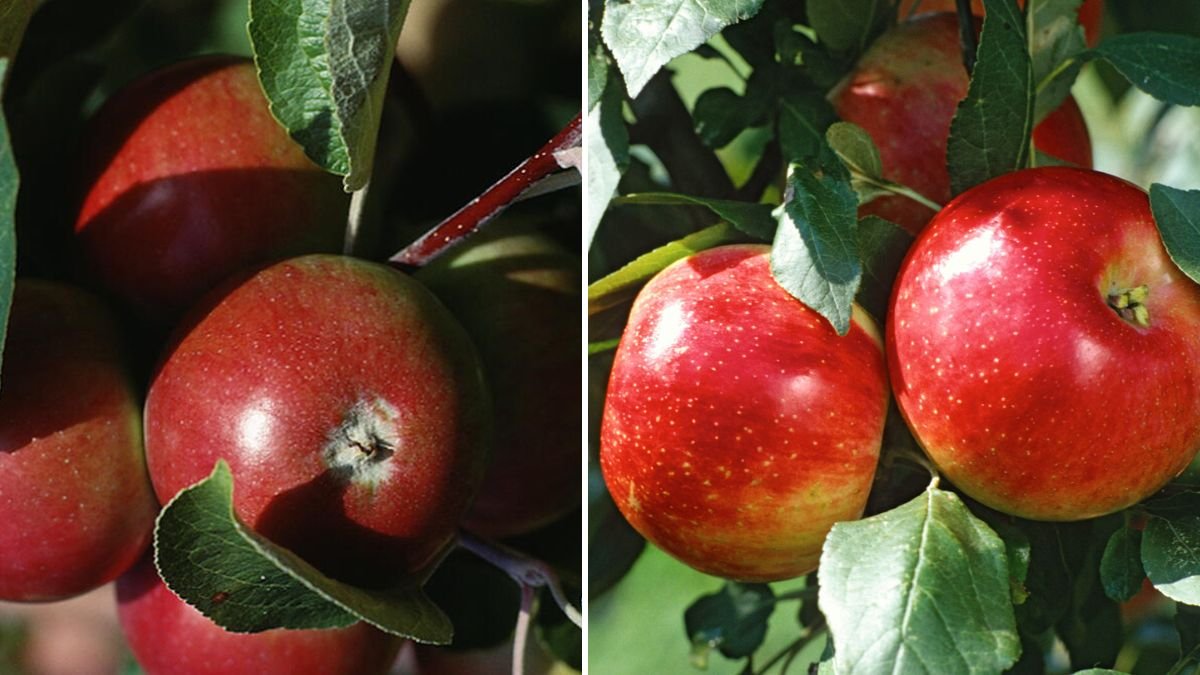
Growing your own apples can be a rewarding experience, especially when it comes to the Haralson variety. Recognized for its crisp texture and tart flavor, the Haralson apple is perfect for both fresh eating and cooking. Whether you’re a novice gardener or a seasoned horticulturist, successfully cultivating these apples will enhance your backyard garden and provide delicious fruit for years to come. This article will guide you through essential tips to help you grow Haralson apples, ensuring you achieve a bountiful harvest.
Selecting the Right Location
Sunlight Requirements
Haralson apple trees thrive in full sunlight. Aim for a location that receives at least 6 to 8 hours of direct sunlight daily. The more sunlight they receive, the better the fruit quality and tree health.
Soil Quality
The ideal soil for Haralson apples is well-drained, sandy loam enriched with organic matter. Conduct a soil test to check pH levels; a slightly acidic pH of 6.0 to 7.0 is perfect. If your soil is too clay-heavy or drains poorly, consider amending it with compost or peat moss to improve drainage and nutrient availability.
Space Considerations
When planting multiple apple trees, ensure there’s adequate space between them. Haralson apple trees typically require at least 20 to 30 feet of space apart to allow for proper air circulation and sunlight penetration.
Planting Your Haralson Apple Tree
Best Time to Plant
The best time to plant your Haralson apple tree is in early spring or fall when the tree is dormant. This timing will give the roots ample time to establish before the stress of summer heat or winter frost sets in.
Planting Process

-
Dig a Hole: Create a hole that is twice as wide and just as deep as the root ball of your tree.
-
Soil Preparation: Mix the dirt you removed with compost to enhance the nutrient content.
-
Position the Tree: Place the tree in the hole, ensuring that the graft union (where the trunk meets the rootstock) is a few inches above ground level.
-
Fill the Hole: Backfill the hole with the prepared soil, gently packing it around the roots to eliminate air pockets.
-
Watering: Water the tree immediately after planting to help settle the soil.
Watering and Nutrient Management
Watering Schedule
Young Haralson apple trees require consistent watering, especially during the first two years. Aim for deep watering once a week, adjusting based on rainfall. Mature trees need less frequent watering, but during dry spells, ensure they receive at least an inch of water per week.
Fertilization
Fertilizing your Haralson apple tree is key to growth and fruiting. In early spring, apply a balanced fertilizer (10-10-10 or similar) according to package instructions. Over-fertilization can lead to excessive leaf growth with limited fruit production, so moderation is key.

Pruning Techniques
When to Prune
Pruning is essential for maintaining the health of your Haralson apple tree. Perform pruning during late winter or early spring before new growth starts.
Pruning Process
-
Remove Dead or Diseased Wood: Start by cutting away any dead or diseased branches.
-
Thin Interior Growth: Trim back crowded branches to ensure good air circulation and sunlight exposure.
-
Shape the Tree: Aim for an open center shape that allows sunlight to penetrate, promoting even fruit ripening.
-
Cut Back New Growth: For younger trees, cut back growth to encourage a sturdy base. For established trees, prune to maintain size and promote new fruiting wood.
Pest and Disease Management
Common Pests
- Apple Maggots: Look for small holes in apples. Use traps or insecticide if necessary.
- Aphids: These tiny insects can sap nutrients. Use insecticidal soap to manage their population.

Common Diseases
- Powdery Mildew: This fungal disease appears as a white coating on leaves. Fungicidal sprays can help control it.
- Apple Scab: Dark, olive-green spots on leaves indicate this disease. Preventative fungicide applications in spring will reduce incidence.
Integrated Pest Management (IPM)
Encourage beneficial insects in your garden, such as ladybugs and lacewings, which feed on common pests. Set up traps to monitor pest levels and manage any outbreaks promptly.
Harvesting Your Haralson Apples
Timing is Key
Haralsons are typically ready to harvest in late September to early October. Look for the following signs:
- Color Change: The skin color should change from green to a vibrant red and yellow.
- Taste Test: Sample a few apples. If they are crisp and slightly tart, they are ready.
- Ease of Picking: The apples should come off the tree with a gentle twist.
Harvesting Techniques
Use a gentle hand when picking apples to avoid bruising. Consider using a picking pole for higher branches. Place apples in soft containers to prevent damage during transport.

Storing Your Haralson Apples
Optimal Storage Conditions
To maximize storage life, apples should be kept in a cool, dark place with high humidity. An ideal temperature is around 30-34°F (-1 to 1°C). Wrapping apples in newspaper can help regulate humidity levels.
Duration of Storage
Properly stored, Haralson apples can last for several months. However, they are best enjoyed within a few weeks for optimal flavor and texture.
Conclusion
Growing Haralson apples in your backyard can bring joy and satisfaction. With the right care and attention, your trees will thrive and produce delicious fruit for years. From selecting the right location to understanding pest management and harvesting, these essential tips will guide you on your journey to successfully grow your own Haralson apples. Happy gardening!
Frequently Asked Questions (FAQs)
1. How long does it take for a Haralson apple tree to bear fruit?
Haralson apple trees typically start producing fruit within 3 to 5 years after planting.
2. Do I need multiple trees for successful pollination?
Yes, Haralson apples require cross-pollination. Planting another apple variety nearby will enhance fruit yield.

3. What should I do if my apples are small or not producing?
Check for proper sunlight, watering, and fertilization. Pruning may be necessary to stimulate growth.
4. How can I prevent pests without chemicals?
Consider companion planting with flowers that attract beneficial insects and use homemade organic sprays.
5. What diseases are common with Haralson apples?
Common diseases include apple scab and powdery mildew. Preventive measures such as good air circulation and regular pruning can help.
6. Can I grow Haralson apples in containers?
Yes, dwarf varieties of Haralson apples are suitable for container growth. Ensure the pot is large enough and maintain regular watering.
7. When should I prune my Haralson apple tree?
Prune your trees during late winter or early spring before new growth begins for best results.
By following these guidelines and maintaining diligence in care, your experience growing Haralson apples will be truly rewarding.