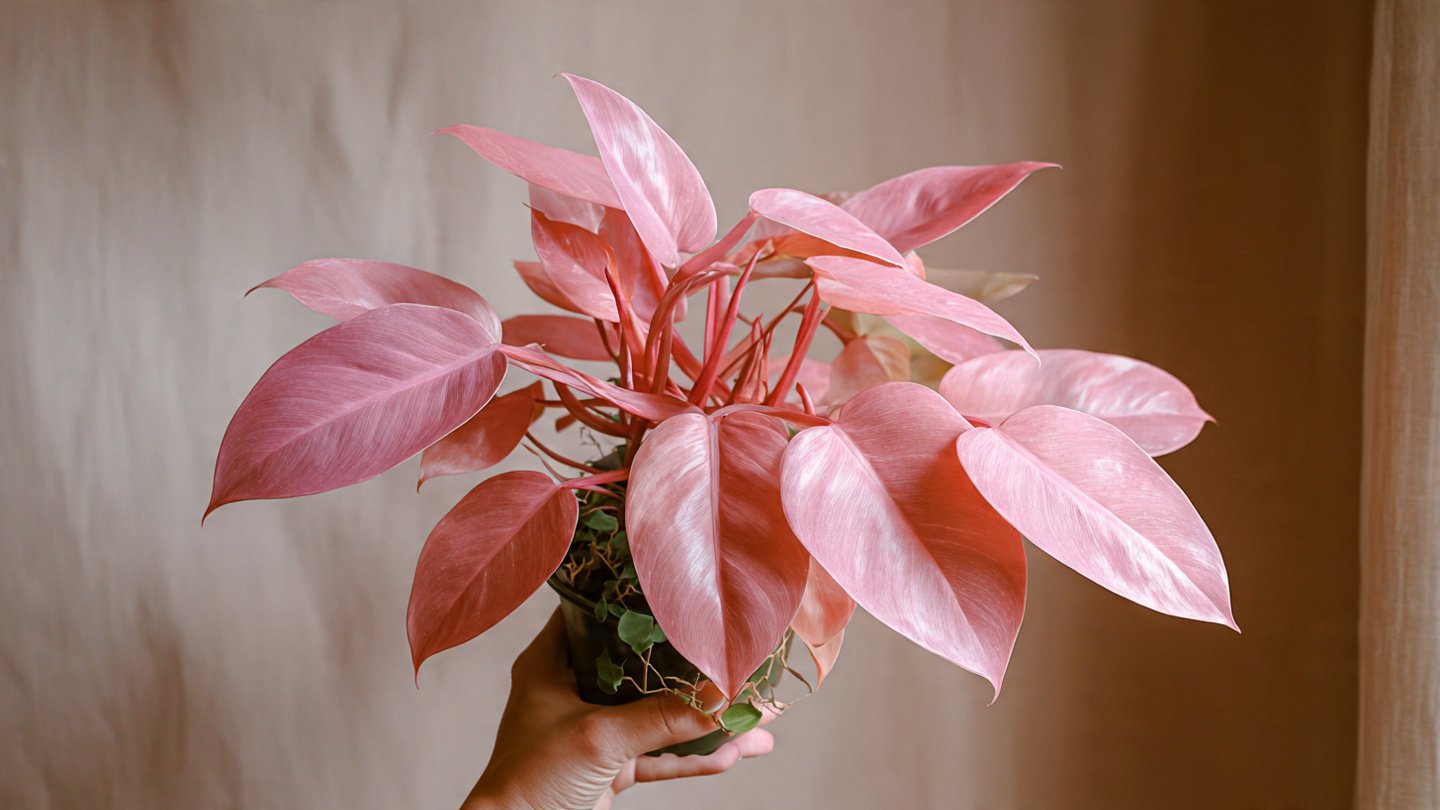
Azalea shrubs are a stunning addition to any garden, renowned for their vibrant blooms and lush foliage. These beautiful plants belong to the Rhododendron genus and are celebrated for their rich hues, ranging from soft pastels to eye-catching reds and purples. Not only do azaleas enhance your garden’s decor, but they also attract pollinators, providing an ecosystem-friendly environment. However, successful cultivation of azaleas requires an understanding of their specific needs and care. In this article, we will delve into essential tips for growing azalea shrubs and maintaining their health and beauty.
Understanding Azaleas: Types and Varieties
Before diving into cultivation techniques, it’s important to familiarize yourself with the different types of azaleas. Generally, they can be classified into two main categories: deciduous and evergreen.
-
Deciduous Azaleas: These azaleas lose their leaves in the fall and produce clusters of blooms in spring. Varieties often feature delightful colors and fragrances and are ideal for regions with distinct seasons.
-
Evergreen Azaleas: Retaining their leaves year-round, these shrubs display vibrant flowers in various colors during late spring and early summer. Evergreen azaleas are particularly popular for their year-round visual appeal.
Choosing the Right Variety
When selecting azaleas for your garden, consider your climate zone, garden style, and personal preferences. Some popular varieties include:
-
Southern Indica Azaleas: Well-suited for warmer climates, these azaleas boast large flowers and a vibrant palette.
-
Northern Hardy Azaleas: Great for cooler climates, these selections offer stunning blooms along with cold tolerance.
-
Kurume Azaleas: Compact in size, these azaleas are perfect for small gardens or as ground covers.
-
Alpen Glow Azaleas: Known for their lovely salmon-pink flowers, these plants make a statement in any garden.
Essential Growing Conditions for Azaleas
Location

Azaleas thrive in partially shaded to fully shaded areas. While some varieties can tolerate full sunlight, most prefer filtered light. Planting them under taller trees or alongside structures can offer them the shade they love while also creating a beautiful layered aesthetic.
Soil Requirements
Azaleas flourish in well-drained, acidic soils. The ideal soil pH for azaleas ranges from 4.5 to 6.0. Here’s how you can prepare your soil:
-
Testing Soil pH: Use a soil testing kit to measure the pH and amend it as needed. If it’s too alkaline, you can lower the pH with sulfur or peat moss.
-
Amending Soil: Incorporate organic matter like compost or well-rotted leaves to improve soil structure and drainage.
Watering Needs
Azaleas prefer consistent moisture but are susceptible to root rot if overwatered. Here are watering tips:
-
Mulching: Apply a layer of organic mulch around the base of the plant to retain soil moisture while suppressing weeds.
-
Deep Watering: Water azaleas deeply but infrequently. Aim for about an inch of water per week, adjusting based on rainfall.
-
Checking Moisture Levels: Before watering, check the top inch of soil. If it feels dry, it’s time to water.
Fertilizing
Fertilizing azaleas appropriately encourages vibrant blooms. Here are some tips for fertilization:
-
Use an Acidic Fertilizer: Select a fertilizer formulated for acid-loving plants, typically high in phosphorus to promote blooming.

-
When to Fertilize: Apply fertilizer in early spring before new growth begins, and a second application can be made in mid-summer.
-
Avoid Over-Fertilization: Too much fertilizer can lead to leggy growth and reduced flowering.
Pruning and Maintenance
Pruning Azaleas
Regular pruning is essential to maintain the shape and health of your azalea shrubs. Here’s how to do it effectively:
-
Timing: Prune shortly after flowering, as azaleas produce their blooms on old wood. This ensures you don’t remove next year’s flowers.
-
Technique: Remove dead or crossing branches and trim back overgrown areas to shape the plant. Make clean cuts to promote healing.
-
Encouraging Growth: Pruning also encourages vigorous new growth and dense foliage.
Pest and Disease Management
Azaleas can be susceptible to certain pests and diseases. Keeping an eye out for these common problems is crucial:
-
Insects: Aphids, lace bugs, and spider mites can affect azaleas. Use insecticidal soap or neem oil as a natural treatment.
-
Fungal Diseases: Look for symptoms like leaf spots or powdery mildew. Proper spacing for air circulation, as well as early treatment with fungicides, can help.
Designing Your Garden with Azaleas

Companion Planting
Azaleas can be beautiful companions to other plants. Here are some popular pairings:
-
Ferns and Hostas: These shade-loving plants thrive in similar conditions as azaleas, and their foliage can complement azalea blooms beautifully.
-
Groundcovers: Low-growing groundcovers like creeping thyme or ajuga can fill in spaces around azaleas, maintaining visual interest year-round.
Seasonal Interest
To maximize the visual appeal of your garden, consider planting azaleas in conjunction with other flowering shrubs and perennials that bloom at different times. This way, you’ll have continuous color throughout the growing season.
Creating Focal Points
Plant larger azaleas as statement pieces in your garden design or form hedges along pathways for an elegant look. Their vibrant colors will draw attention and provide a welcoming atmosphere.
Maintenance Through the Seasons
Spring Care
As the weather warms, focus on:
-
Fertilizing: Apply acid-loving fertilizer to boost blooming.
-
Pruning: Trim back any dead or damaged branches.
-
Watering: Ensure consistent moisture as new growth emerges.

Summer Care
In summer, monitor for pests and ensure adequate water during dry spells. Continue deadheading spent blooms to encourage further flowering.
Fall Care
As temperatures drop:
-
Mulching: Add mulch for winter protection.
-
Pruning: Perform any necessary light pruning.
Winter Care
For colder climates, wrap young azaleas with burlap to protect against harsh winds and ice damage, and monitor for any signs of stress or pest activity.
Conclusion
Growing azalea shrubs can be a rewarding experience that enhances your garden decor and supports local ecosystems. By understanding their specific needs regarding light, soil, water, and care, you can cultivate these stunning plants successfully. With the right techniques, your azaleas will become a vibrant focal point in your garden, making every visitor stop and admire.
FAQs
1. Can azaleas tolerate full sunlight?
Yes, some evergreen varieties can tolerate full sun, but generally, azaleas prefer partial shade, especially in hotter climates.
2. How often should I water my azaleas?
Water deeply but infrequently, aiming for about an inch of water per week. Adjust based on rainfall and soil moisture.

3. When should I prune my azaleas?
Prune azaleas shortly after flowering to avoid removing next year’s blooms.
4. What is the ideal soil pH for azaleas?
Azaleas thrive in acidic soils with a pH between 4.5 and 6.0.
5. How can I control pests on my azaleas?
Use insecticidal soap or neem oil to manage pests like aphids and spider mites. Regular monitoring is key to preventing infestations.
6. Are azaleas deer-resistant?
While no plant is completely deer-proof, azaleas are generally less appealing to deer due to their toxic compounds.
With these essential tips, you’re now equipped to grow beautiful azaleas that will enhance your garden for years to come. Enjoy cultivating your vibrant oasis!